Do you need to save money? You need to look at subscription that you’ve got
The Radio Times costs £4.50 to buy in the shop
I can’t read it anymore even with a torch
Cancelling that will save you about 250 pounds a year
Or if you pay my subscription you will save about —£100
Why have I kept on getting it question mark because to me a home without the radio Times just not seem like a home because I’ve read it since I was a child but really it’s no pleasure now
In any case it’s easier for me to read what is on the radio just in the BBC listings online
I don’t find the radio Times easy to read online and the radio programs are only a very small part of it
I don’t waste time watching the television very much. I don’t know why companies waste money making more programs about people like Prince Andrew. I don’t want to think about him.
So ASDA fuel we’re going up 10% in October you may like to look at these savings
Do you like Weetabix? Well ASDA are selling a 48 pack for approximal the same price as
waitroses 24 pack
But Waitrose sells their own brand of corn flakes very cheaply just 1.20 for a large pac
Blind sight scattered my wits
Like whitened bones
Across the deserts of my mind.
I descended into darkness.
Love shrank into the tame cat
By the fire,unacknowledged hate
Grew to fill the room.
I stared too much.
A full stop grew gigantic
Crowded out
All the words in the sentence
I saw nothing but this dot
Now a gigantic black hole
Into which I was dragged.
An energy coming from within my own head
Sucked me into the black hole.
That place was the wrong sort of darkness.
Within that full stop,
Love Fundamental became invisible.
Disappeared into the dark.
I dragged my eyes away
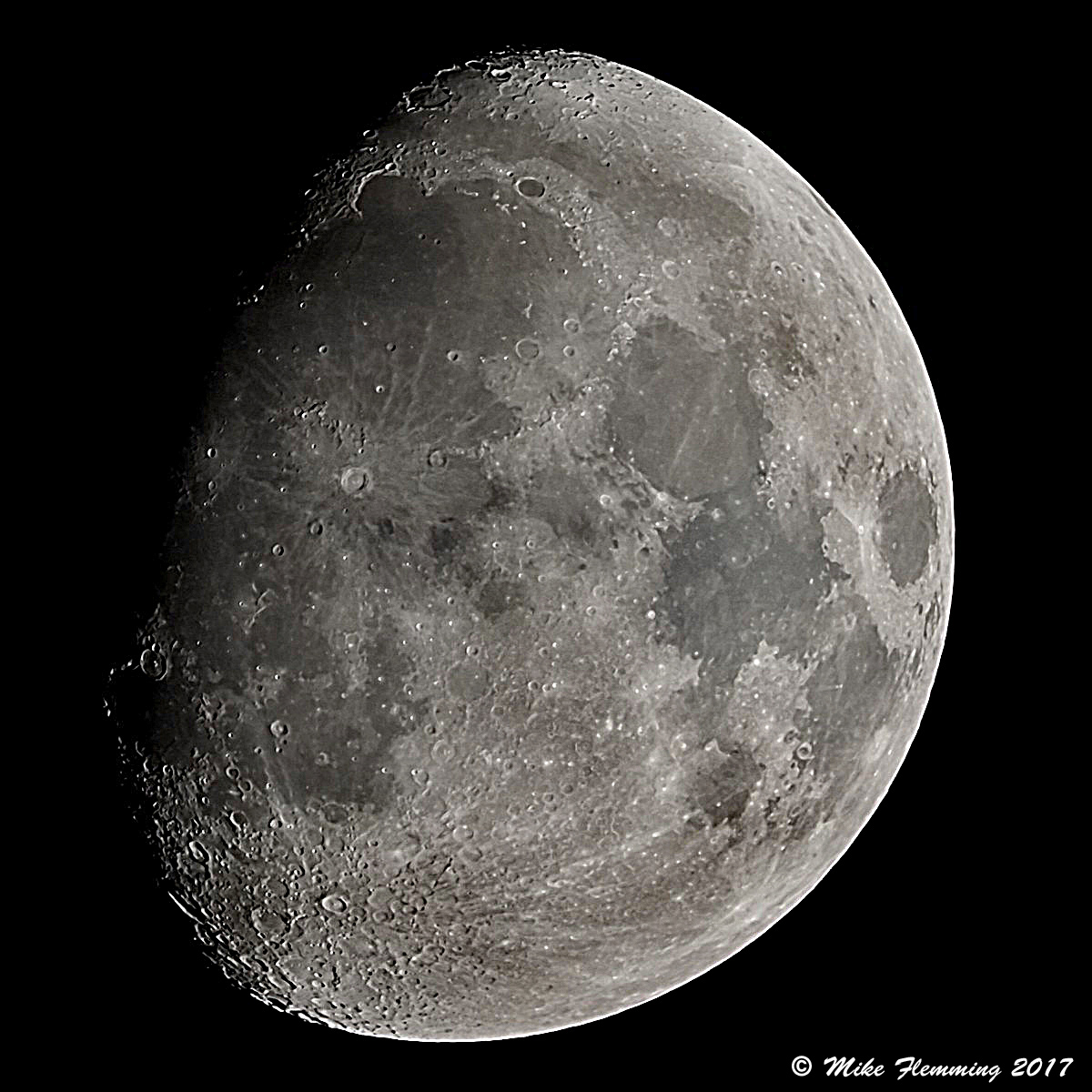
And saw the moon appear,so eerie,
It shone,grey silver.
If I had opened my eyes wider
I would not now lament
What I destroyed in the wormhole
Of the black dot that drew my eye
Into a tunnel of darkness
It blinded me to the light
Did not let me read the sentences
Beside the full stop.
An error of focus left hate
Unacknowledged,unmitigated, unredeemed,
Kept from love or goodness
Afraid to spoil my love with hate,
The fear of hate became
That which spoiled all else else,
By freezing Love itself.
A day with my own self, such peaceful hours The inner seas make music as they roll And in the ground the worms air roots of flowers
The rain comes down in cold but gentle showers Desiring to give moisture to all souls A symbol of the value of quiet hours
In Northern hills we looked for Durham owls They hunt by day to keep their bodies whole While in the ground the worms air roots of flowers
My loved one was a native of those towers Highcliff Nab and Hasty Bank called home My days with him a-wandering there for hours
As he died , deep in my heart I howled I held his hands, remembered , paid the toll While in the ground the worms digest the sour
Lying in the heather we had roamed May God have mercy on his homing soul Now I enjoy in reverie our hours Deep in the ground the worms drowse mixed with flowers
I am reposting this because it has been very popular and also because it is what I believe is the ideal attitude to the inescapable hardness and pain of life here on earth.In other words I wrote it for myself although I have struggled to actually do it.
I have edited this poem but have left the original poem underneath as it is popular and I don’t want to remove it if some people prefer it that way.
The journey to the heart is graced by love.
And those who need to seek obey their call.
Though virtue and her graces smile above,
We see steep paths ahead;cliffs’ sudden fall.
With willingness to cross fields deep in mud,
To struggle through the tangled thorny wood.
Our soul within points to the latent good;
Recalls old trees astonished into bud.
As flowers spring up to tantalize our toes
Encouragement is with much joy received;
And as we smell the fragrance of the rose,
At last we know our souls were not deceived.
For Virgil,fortune favours steadfast feet.
The journey may be long,the end is sweet.
Old version
The pathways to the heart are blessed by love.
And those who truly seek will never lose.
As virtue and her graces smile above
We see the hills ahead,the rocky views.
With willingness to cross the seas of mud,
To venture via tangled briar-filled woods.
Our soul within shows us the highest good,
When trees that looked quite dead are now in bud.
With flowers springing up between our toes
Encouragement is ,with relief ,received
And as we smell the fragrance of the rose,
At last we know our hearts were not deceived.
For Virgil, fortune favours those with steadfast feet.
The journey may be long,the end is sweet.
Note:The saying “Fortune favours the brave” is attributed to several people..Virgil,Pascal,Montaigne…ete
Today I’m mainly thinking about saving money and I’ve already managed to say some myself by changing my phone tariff.
My living room faces is North northwest and it’s very cold right now
I have got severe osteo arthritis I have also got rheumatoid arthritis so I can’t move about a lot
I hate it when the air changes to autumn coldness It’s essential to wear socks or stockings. When the weather is really cold wool is the best thing.
And you need to wear at least one more layer of clothing. Even when it’s not a problem to pay for heating it just seemed wasteful to have it on in September in some rooms but sometimes that has to happen and if you’re short of money what else can you do?
Sometimes lightweight fine merino wool sweaters are good
Covering up your neck and throat is very important especially when you go outside in cold weather. If that area of your body gets cold you are more likely to have a heart attack especially if you already have angina.
Inside the house it also helps. Maybe a lightweight scarf for something around your throat makes a big difference
Now many people wear fleece instead of wool
It’s hard to find pure wool sweaters in places that used to sell them very frequently like marks and Spencers.
And the cost is very high
If you are going to visit somebody their house may be very hot so you have to think about these things nowadays
Cardigans or fleece jackets are good. Partly because you can take them off without causing offense to anybody
It’s what women going to the menopause learn that is wearing fine layer is better than one very thick layer because you can’t take that off easily and you may very well cause some surprise if you’ve got nothing underneath it or if you’re wearing a zebra striped bra which is a little bit too small for you but you like is anyway
That brings us onto underwear. It’s difficult to find woolen underwear but there is thermal underwear which ones you he ave bought it should last for quite a while
But should you waste your money on zebra striped bras or something else leopard skin print knickers question mark well that very much depends on your lifestyle
If you have a partner who is turned on by you wearing that sort of underwear then maybe you should buy it but if not whatever your fantasies are do you actually need to actually wear it in reality rather than just fantasizing about it?
That’s a difficult question to answer.
But it might be more economical just to wear beige or black underwear especially maybe more sensible if you’re likely to have to whip your clothes off with a hot flush or a panic attack.
I once went to college wearing some red corduro trousers and the zip broke while I was giving a lecture on some boring mathematical topic like pascals triangle
And I was wearing white underwear which is not the best sort but my lecture was so interesting that the students’ eyes remain on my face and nobody looks at anything else.
We had some very nice students
If you want to wear zebra striped trousers I would recommend wearing zebra strikes underwear as well or making sure the trousers have elastic waist and not a zip
I’m not sure if you can save money by wearing the zebra striped trousers it depends where you can buy them from. If you have a market that sells them for ten pounds each then that probably is quite cheap although there won’t be very warm but then you could afford to have two pairs of them
This is one of the secrets of warmth.. wearing more than one of the garment
Or it will make more sense to wear some cheap black leggings underneath your trousers.
If you don’t plan to give a lecture on Pascal triangle then I think you will be ok wearing any kind of trousers
Since then I have an aversion to red trousers. And I forgotten what a triangle is not to mention the ellipse and the parabola and the other beautiful geometric forms that we used to study
But my students did very well they were very hard-working kind people
So in other words use your imagination
It’s worth spending money on certain things like wool
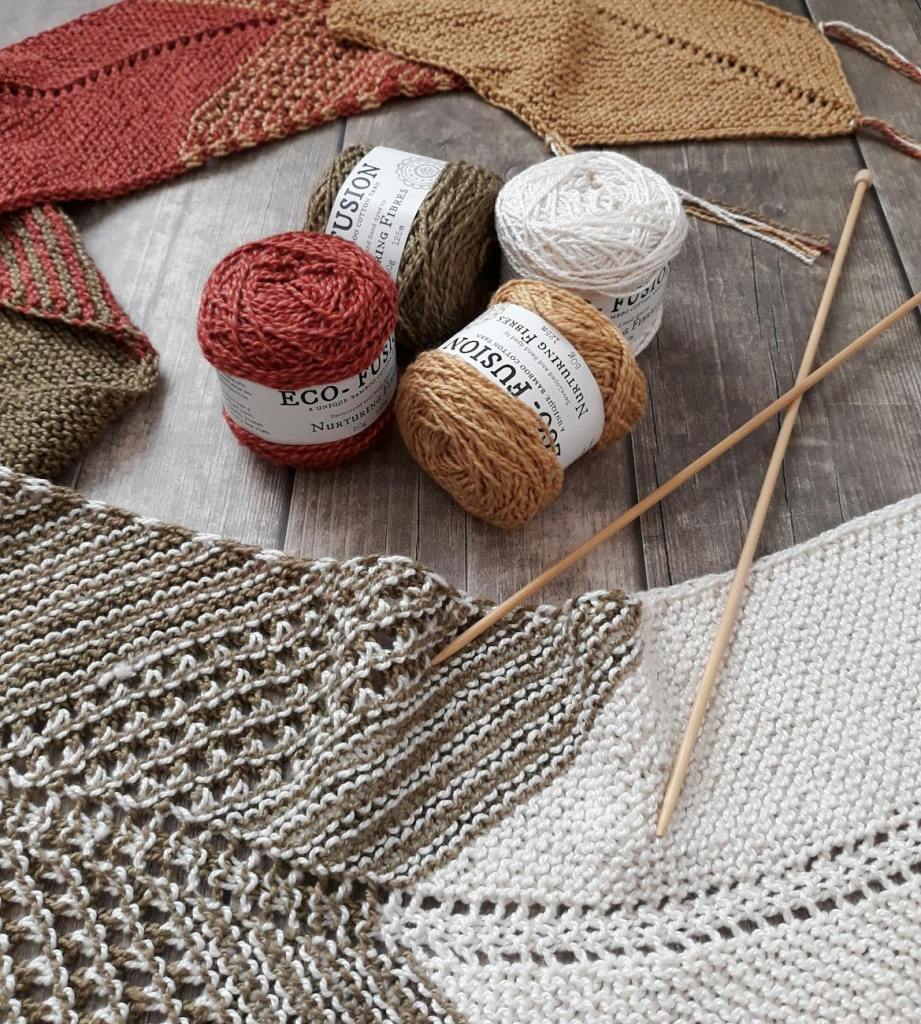
Making me our own jumpers is not economical. Wool is very expensive and also unless you like knitting with very fine wool you’re going to produce sweaters which most people find too hot when they have Central Heating. But if you don’t have it knit one for yourself and it will last you for a long time
Knitting is an activity which can bring about peace of mind similar to what you get when you do meditation and you also get a product
I believe it’s caused by the rhythmic movements and the rhythm of the pattern itself for example Shetland layers might be a pattern of horseshoes on the sound and I have done that and I it’s it’s a wonderful thing to do.
So you can combine benefits from knitting meditation and producing something beautiful as long as you are that you or someone else will actually wear it or that you can sell it because all I’m writing about today is saving money reall whether it’s short term or long term
If you have a friend who lives near you you could save a bit of money by having them to lunch once a week and then the following week the reverse because it will save money on heating and also it might so a little bit on cooking
What’s a pity we can’t live on grass and leaves but there we are m
Stan was feeling somewhat glum,nay even despairing,on Monday morning.
Mary had gone to work on her new folding 6 gear bicycle with own basket and an extra basket from Wells-next -the- Sea 1995
[the wicker basket now somewhat grey in hue.]
He was left at home sorting out all his art work and materials as well as doing the baking,cooking and bathing Emile,the delightful yet trying male cat.
Sunk in dark misery,Stan sat in an old uncomfortable chair in the darkest part of the room, while Emile snored on the rug by the bright French windows
.Stan went through all the possible reasons for his state of mind.Was he guiltyabout his flings with his alluring next door neighbour Annie?
Could it be his failure to toilet train Emile? Or his omitting to carry out the penance given by Father Brown after Stan confessed to stealing sweets on the way to Confession in 1956?
The longer Stan brooded the more reasons he found for his depression.
He could hardly get up to make a cup of coffee ..even instant seemed too much trouble.Would he even clean his teeth which somehow he’d failed to do?
The doorbell rang… it was a new cord for his laptop as Emile had been chewing the current one ,and 29 books in a sack from Amazon which his wife must have ordered,as he had no recollection of any such foolish spending.
How would they pay the bill on the credit card? he ruminated.
Later in the day.Annie peered through the window.She tapped on the glass with her well manicured blue finger nails.
Let me in she cried.
I’m too tired for any hanky panky he murmured lovingly as he ran his fingers through her thick red tresses.What is this delightful perfume,beloved,he questioned her.
It’s Poison! she replied.Oh no,sorry it’s Iris and Jasmine Eau de toilette from the Bodyshop.
Despite his lowly sunken state Stan loved this perfume.He sniffed rabidly at her well rounded form
.Well,shall we have some tea,she enquired.
Stan sat there hand on chest.I’ve been feeling a little gloomy,he muttered.She peered at him.
You look terribly pale,Stan.Where’s your angina spray?
I can’t recall,he said.Oh,here it is in my vest.
What a strange place to keep it,she responded.
Mary made pockets for all my vests.at one time you could buy vests with pockets
She’s good at sewing despite being so clever.In fact she loves doing things with her hands.
Annie got the GNT spray out and handed it to him.
Have you got a pain?
Well,yes,now you mention it,I do,he replied verbosely.
Well,in the name of God, use the bloody thing,she whispered endearingly into his left ear.
He opened his mouth,raised his tongue and with his hand resting lightly on his chin he pressed the button with his forefinger.
His head began to throb.
Annie appeared with a cup of Earl Grey tea and a biscuit.
Why,you look a little better.Do you need another dose?
No,I feel much better now.I’ve had it before.
He drank the tea but didn’t eat the biscuit which he threw out later in crumbs for the field mice in the shed.
His spirits began to rise.Why did he always forget that physical ailments can worsen a mood?He still felt a trifle glum but nothing a meringue wouldn’t put right.
OK,what shall I make for Mary’s supper? he enquired.
You sit there in the window and I’ll just make my special spaghetti,Annie replied gaily,as long as I can stay too.
Yes,I’ll open some red wine he said youthfully,and we can have fried apples and bananas for pudding with non fat Greek yoghurt.
What a wise choice she murmured gently into his ear………that will use up some of the newly picked apples,the bananas were from Lidl’s as usual.
Well,Stan you look better.said Mary happily,You’ve been pale all weekend.Was it Annie who cheered you up,not to put too fine a point on it?
Actually it was nitroglycerine,he said roguishly,but Annie made me use it.
But for us women you’d be dead,she replied equably.
But for you delightful creatures I wouldn’t be here at all,he moaned ecstatically.
Now then Stan,control yourself she urged,After all we have a visitor,Annie!
What a hoot,he thought as he twisted spaghetti round his fork in a careless manner splashing tomato sauce all over his new green acrylicjumper.
Thank the Lord for washing machines,Mary said.
I didn’t know Jesus invented them,Annie said with a tone of mild sarcasm but no-one bothered to reply.
As told by Emile to the local paper.
And believed by all of us
Goddess of young women, of virginity, childbirth (yes, both at the same time), Women’s Mysteries, forests and hills, hunting, and, later, the moon (along with Selene). Essentially a liminal goddess who protected women throughout their lives. The Romans equated her with their goddess Diana.
Does Not Like Men: And that’s putting it mildly. Pretty much the only guys she was pleasant to were Apollo, Orion, and her priest Hypolitus.
It’s often subject to Flanderization in modern media. No, she didn’t like men, but looking at her relationship with Orion, Apollo, Zeus, and others, she didn’t dislike them either. Considering how much misogyny was in Classical Mythology, that’s actually rather impressive.
Humanoid Abomination: A surprising example (especially when considering how Olympians are essentially humans with powers), her Ephesian depiction, while humanoid, makes her pretty much Lovecraftian. To the point that some Cthulhu Mythos writers identify such statues as an image of Shub-Niggurath.
Plague Master: She was also the goddess of disease, plague, and sudden death.
More so with her nymphs. In his Hymn to Artemis, poet Callimachus asks himself what nymph obtains Artemis’ love and then proceeds to list her favorites.
Virgin Power: Was one of the three virgin goddesses, along with Athena and Hestia.
Western Zodiac: Traditionally associated with Sagittarius, as the archer.
As readers we take comfort in knowing we are not isolated in our struggles. Somebody has felt this way before! If you’re anxious, melancholy or grieving, the poet’s words mean that you no longer have to feel alone, and poetry can give hope for the future and even some excellent advice. Dorothy Parker’s splendid company at any time, but particularly if you’ve just been dumped.
It can boost your mood
Poetry isn’t just for leaning on during hard times. It’s a thrill to read a poem that encapsulates – more elegantly than we ever could – how it feels to be deliriously happy, or perfectly tranquil, or deeply in love. It’s one of the reasons that sharing poetry is so popular at weddings.
It can take you to the country in the heart of the city
A poem becomes an incantation to transport you from the humdrum daily world, an escape hatch from the commute, the queue and the waiting room. Choose verses about dancing daffodils, dappled things or stopping by woods on a snowy evening to provide yourself with a mental gulp of healthy fresh air, a magical five minute trip to the countryside while you pound the pavements.
It can calm you down
When I find I’m really about to lose my temper, counting to ten is good – but reciting a silly poem is better (out loud, it has the added benefit of getting the attention of tantrum-throwing children, but in your head is probably better for the platform when your train is delayed.) The poems from Lewis Carroll’s Alice in Wonderland are my go-to for these times. It’s impossible to grit your teeth while mentally running through ‘You are old, Father William’s perky stanzas.
It can say what you can’t
Poems can also say something we might find difficult to, if we can’t find the words to comfort the bereaved, or are too bashful to talk about our affection. Candlestick Press (http://www.candlestickpress.co.uk) publish a range of beautiful pamphlets covering all manner of subjects from kindness and tea through friendship to cycling, which can be sent instead of a disposable greetings card and enjoyed over and over again.”
In 1993, I took a left turn one day out of my MFA program and found myself at the National Poetry Slam in San Francisco. There I discovered several poets who were funny for the sake of being funny. Particularly Hal Sirowitz from New York (“don’t stick your arm out the window, mother said” and Matt Cook from Milwaukee (“it was easy to write the Great American Novel, back when there were only five American novels”) Both poets initially delighted me and confounded me: There are no similes, a voice in my head said. What would Tom Lux (my first teacher) say? the voice continued. Despite my resistance, I believe those poets gave me a kind of permission to explore humor a little more vigorously in my second book, The Forgiveness Parade (1998), for “I thought the word loin and the word lion were the same thing. I thought celibate was a kind of fish”. Perhaps in that book there were places where I was too vigorous in my pursuit: looking back there are a few poems that are just a little too jokey somehow, a little one-dimensional.
I am becoming aware of how some humor can set a roadblock for the poetic speaker, making it impossible for the speaker to get back to a serious place. And how some other (less frequent) uses of humor can leave that door open. I want to leave that door open
After Mary went off to the Oxfam shop on her bike with a bag of surplus shoes Stan decided to clean his laptop computer.He was trying to open the plastic box of Screen Cleaning Tissues and wondering if he could have used a damp microfibre cloth instead.
He was feeling excited because he was going to take Mary away for the weekend to a Pie Museum on the Lincolnshire coast.
There was a knock on the back door.He saw Lisa and Tom,two students from Knittingham University.Tom’s grandmother was a friend of Stan’s.
“Hello,”said Tom,”this is Lisa Stoat my girlfriend.”
“Hello,Lisa.How are you?And where do you come from?”
“Hello,I’m fine, thanks.I believe my mum found me under a gooseberry bush near the A19 to Teesside.She’d been out rambling with the gypsies.Anyway she met my dad when I was 2.He’s doctor in Middlesborough,he adopted me and several other children my mother found from time to time out in the country.There are six of us now.There are lots of gooseberry bushes on Teesside.”
“Thank you for that,Lisa.”Stan said
“Please don’t mention it; you are more than welcome!” the lovely girl told him gently.
“Would you like some gooseberry pie.”Stan asked her modestly
“Yes,I’m ravenous.” the girl replied shyly,her cheeks turning bright red
“Well,you know you are a growing girl.” Stan chuntered .”I’m afraid I can’t find the cake forks”
“That’s a pity,” replied Tom.”I’ve never seen a cake fork in my entire life.”
“Oh,goodness,”Stan called.”What did you do?”
“Well,we used an axe to cut the pies up and then lay on the floor and grabbed bits with our teeth.!”
“Where you raised by cats?” Stan cried querulously.
“To a certain extent,”the boy honestly admitted.”But I can use a knife and fork now for meat and veg and also I can now use a lavatory rather than digging a hole in the soil or using a plant pot.”
“Have you thought of writing your autobiography?”Stan demanded curiously
“I feel I’m a bit young for that and the cats, Lucy and Mario, might be offended.”
“Can they read?”Stan muttered loudly.
“Not yet but I’m doing phonics with them. the government recommends that according to the News of the Failed.”
“But not for cats,surely?” Stan replied jovially.
“Well,you win some you lose some!” Tom answered with the unique and original turn of phrase typical of one raised by cats
Lisa got over. excited.”You could call it “A tale of two Kitties”” she cried hysterically.
“Oh,my God.Is she bipolar?” Stan thought nervously
“But what would Professor Fittsgenstein think?”
“I rarely think,” said a man who had crept into the kitchen through the cat flap.”And I have to confess that I too was partially raised by cats.”
“Welcome.Professor”, they all shouted
“What a coincidence!”
“Well,”said Annie, who had been listening through the keyhole,”It’s very common in Knittinghamshire you know.The mortgages are so big,both parents have to work so they have no alternative but to leave the children at home with the cats.They all learn to mioaw which can be useful.” She then gave a loud”mioaw” and disappeared.”I’d better ring 999 ” Stan whispered.”I think she is going crazy.
“Oh,no” Tom stated knowingly,”If you could enter into the narrative of her life and reach the place where she is you would see it all makes perfect sense.”
“What even the thick layers of makeup and the T K Maxx perfume.”Stan enquired philosophically”Yes,indeed.” the lad told him ardently “Didn’t Schopenhauer advise against about pretending to be someone other than your true self?” Stan said thoughtlessly
“I’m sorry but we have only reached pi and the Ancient Greeks.Is Philosophy actually meant to help you with real life problems?”
“What sort of pie did they eat?”Stan wondered anxiously.
“I guess maybe apricot or peach,”said Lisa womanly
“Well,I have the Fanni Far Mer cookery book here.I’ll look it up.”
“But she’s American? poor Lisa said peevishly
“I thought she was a Turk!” Stan informed her humorously
“What about Gud How Ski Ping?” She debated
“Yes,I do like Chinese. food” he informed her.”It is very popular all over the world.
I’d better brew the tea,Stan decided…the kettle was now boiling noisily on the hot red coal fire… frightening Emile who was sleeping on the rag rug in front of it…
So it’s goodbye from Knittingham and Nottingham too
I remember funny things we did Peering into windows lit by lamps Climbing cliffs then chased by geese and dog
Walking down from Redcar, sea so still After Saltburn Pier, the cliffs high jump I remember all the funny things we did
Wandering Whitby in a sea grey smog Eating a pork pie cut into lumps Climbing cliffs then chased by geese and dog
Old Hunstanton , white sands where we’d sit The wild spikes of the gorse spread out unclamped I remember all the colours,scents, and that
I feel the joy inside my heart is lit Woe is leavened by old nature’s stamp Climbing high then chased through mud by dogs
We see in shadows shades are not so stark In Studland Bay astonished by skylarks I remember all the humour and the love Climbing cliffs then caught by geese and God
We were chased by geese in Devon after climbing a cliff.No doubt chased by a man after we peered into his garden
The geese have changed their flight path to the lake For further to the East a river runs Once used for milling flour for bread and cake For making bulbs for lights and wartime guns
The lightbulbs were a fiction in the War Radar was the secret they researched An old man in my Art Class once worked there A physicist who worshipped still in Church
God and radar,guns and shells and tanks Angels,demons,Jesus Christ we’re damned Money lenders,presidents and Banks Evil now seems normal in our land
We saved the world from Hitler but we died No souls survive nuclear matricide
I was very pleased that we were getting a Labour government after 14 years of suffering with the Tories
I have never voted for the conservatives and I never will.
I am a little worried because of the lack of experience of many of the people now in parliament and indeed in the Cabinet
And I know that they have to save money somewhere somehow without upsetting too many people. Already the Times reports that many of the top wealthy people in Britain are going to leave before or soon after the autumn budget.
They don’t want to pay more tax and they should be sharing wealth . But if they are like that we’re better without them.
In any case it’s an old story that’s always being rolled out by some newspaper and the Times is no longer what it used to be
The winter fuel payments were never part of the state pension but they were introduced by Gordon brown in 1997
Only a labour Government coukd risk changing them
And that’s what they are planning to do. Well no matter how much it saves it seems to have given ammunition to their enemies. As well as that there is a lot of opposition to Keir Starmer himself and his chancellor Rachel reeves from the left wing in the Labour Party who believed that he us no longer a left wing person. They don’t feel grateful that he has won the election at all whereas I do.
So he’s being attacked in two directions. It’s a pity that they didn’t think about this more before it was made public.
Instead of abolishing it for everybody except those on pension credits they could have made it taxable which would mean that the wealthy would pay 40% And moderately wealthy would pay 20% and poorer people would not pay anything at all in to the taxman.
Even this would have been criticized by the conservatives and by the press but it’s defensible
After all state pensions rose by 900 pounds two years ago and by 400 pounds in the last year
Removing it entirely from people who just are a few pounds of pension credit is very tough it doesn’t look sympathetic at all and I think people do expect labour to be more kind to the poor or the old or the cripples than the Tories are.
There are arguments on both sides which are quite coherent and logical
But if you wanted to give some on a stick to beat you is you either remove something from children or from the elderly.
And it puzzles me because the prime minister is a very intelligent man and Rachel Reeves is a very intelligent woman
I’m not arguing against what they’re doing but I’m saying did they really know what the effect would be in the media. Always looking for bad news.. or for pretending something is bad news when it is not.
What they really need in their team is someone who has worked advertising
And that rules out me.
My speech to text calls the Tories the notorious and that’s quite a good name for them
Alone in  my small room ,end-state despair
I wondered what to do ,go here or where?
I tried the doctor and the priest  and then
Knew there was no answer from a man
I saw in my mind’s eye a  tunnel black
To which I was dead heading on my track
Abject and broken by a lover’s death
By his own hand, he tested out God’s wrath
 I was  held by  golden  clouds of fire
I felt the  kindest love , the Lord’s desire
The tears ran down my cheeks in one great gush,
Acknowledging acceptance without wrath
And so I  turned  to life and to my work
Pain and torment shall not make me shirk








![Fritillaria sewerzowii Green_15-2 [1024x768]](https://words-cat.com/wp-content/uploads/2015/03/fritillaria-sewerzowii-green_15-2-1024x768.jpg)