Already sparrows dart between the shrubs No asking where to go or what to do Before the blossom and emerging bulbs
No outdoor flowers decorate my tubs The waxy flowered cyclamens are few Already sparrows dart between the shrubs
As I watch the sparrows my heart ‘s stilled The politics, the corrections are subdued Yet trees will blossom over crocus bulbs
The leaders seek to force a war by will No reflection, certain what to do Would I were a sparrow on the sill
Will the warships move their mighty hulls? From bow to stern they ‘re filled with bombs for U Yet trees will blossom over tiny bulbs
The branches in the breeze sway , cats miaow Was evolution wise for chimpanzees? Already sparrows dart between the shrubs Our species cannibals , can we not love?
I thought I had lost my cheque book and I don’t use it very much so it’s not so important but there’s one person i deal with to whom I must give s check sometimes I remember thinking that it was making my handbag too full
Then I believed that I had taken it out but I couldn’t remember where I put it so I’ve been searching as they say high and low for several days and then I sat down on my chair staring at my handbag which is red and I noticed that there’s a pocket on the back with a zip in which I kept my bus ticket or train tickets .So sweating with professional versatility I gazed at this bag then I picked it up and of course the check book was in that compartment where the tickets normally go.
So I suppose the lesson is make sure you really have lost what you think you’ve lost before you start searching for it because believe me 1 searching in my living room is no fun whatsoever as it’s full of computers houseplants books pens paintbrushes different sorts of reading glasses tissues combs brushes paint brushes watercolor paint
I think I left it too late to learn to be tidy up but I can see the attraction of being a nun just two habits one in the washer one on I have don’t know what they were underneath there habits in fact probably they’ve given up wearing them all together but if so they won’t have a lot of clothes maybe two skirts and three blouses and s cardigan
When Jesus told us to give away all our possessions and maybe it wasn’t help other people it was to help us that we would have more time and less worry if we had fewer possessions it’s just a problem when you’ve already got them and you’ve got arthritis ato try to sort it all out but rest in peace because I know how to do it now
I have found an organisation that comes around at a pre-owned time and will take away clothes books almost anything that’s clean and in good condition so having given them 10 by within the last two weeks we’ll probably be getting some more next week and so this will help the shops that sell these things to get more money to help their cause whether it’s Oxfam or mental illness or cancer.
We can make our minds so like still water that beings gather about us that they may see, it may be, their own images, and so live for a moment with a clearer, perhaps even with a fiercer life because of our quiet.
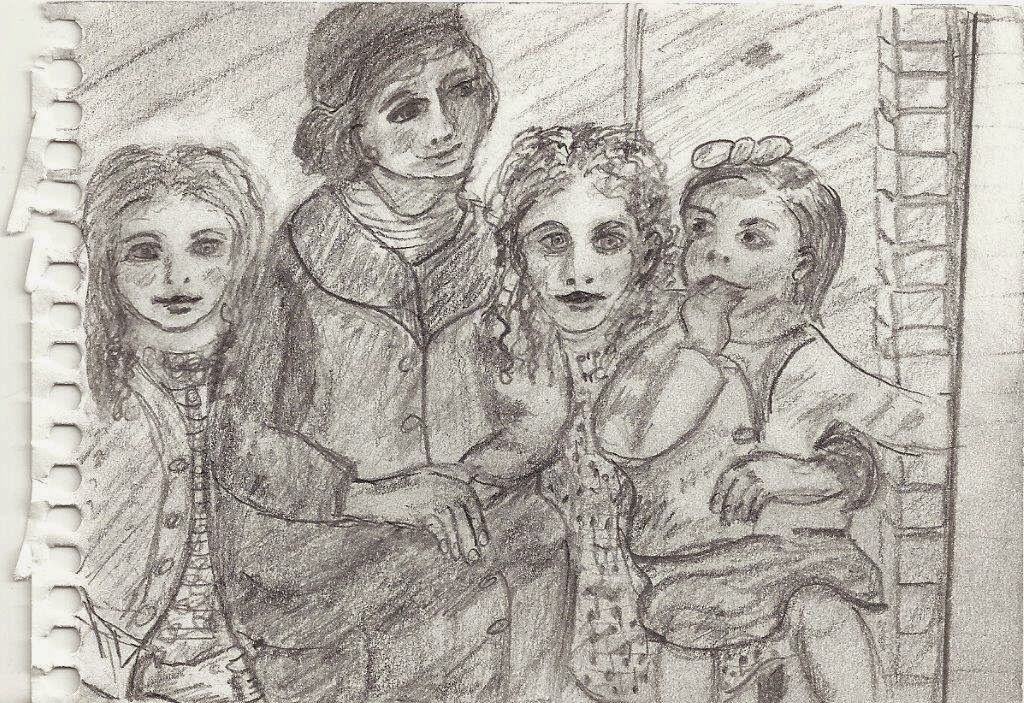
I have what I think is a cartoon by Picasso in my living room. I’ll probably it was used to advertise a show when he had done the bullfighter paintings.
2 weeks ago I had a visitor and she said to me, gosh I didn’t know you did painting as well.
I didn’t say anything contradict here because I thought it might mess her feel bad because she doesn’t know much about painting.
Maybe it’s unfinished look made her think that I had just done it in a spare moment
So beware in case you become famous for something you didn’t do.
There are three components to balance. The first is the visual system, which shows us whether we’re tilting. Then the vestibular system in the inner ear sends information to our brain about the motion of our head in relation to our surroundings. Thirdly, proprioception is our body’s ability to sense its location, movement and actions.
“People with ear problems that cause dizziness […] are more likely to have balance issues”
People with ear problems that cause dizziness, or with joint problems or muscle weakness are more likely to have balance issues. If you suffer from dizziness, see your GP to find out the reason.
Get your strength up
Exercise goes a long way to helping you stay steady on your feet
But there’s a lot you can do yourself to improve physical strength. If you exercise, you’re ahead of the game. One study found that a group that did 32 weeks of resistance training improved their ability to stand on one foot by 25 per cent and another group that did 32 weeks of aerobic exercise increased theirs by 31 per cent.
” If you exercise, you’re ahead of the game”
null
Otherwise, improve your balance by walking, cycling or climbing stairs – this will strengthen muscles in the lower body – or by practising yoga, pilates or tai chi. Or simply practise balancing on one leg – hold onto a chair to begin with, if necessary.
Reader’s Digest is a member of the Independent Press Standards Organisation (which regulates the UK’s magazine and newspaper industry). We abide by the Editors’ Code of Practice and are committed to upholding the highest standards of journalism. If you think that we have not met those standards, please contact 0203 289 0940. If we are unable to resolve your complaint, or if you would like more information about IPSO or the Editors’ Code, contact IPSO on 0300 123 2220 or visit ipso.co.uk
There are three components to balance. The first is the visual system, which shows us whether we’re tilting. Then the vestibular system in the inner ear sends information to our brain about the motion of our head in relation to our surroundings. Thirdly, proprioception is our body’s ability to sense its location, movement and actions.
“People with ear problems that cause dizziness […] are more likely to have balance issues”
People with ear problems that cause dizziness, or with joint problems or muscle weakness are more likely to have balance issues. If you suffer from dizziness, see your GP to find out the reason.
Get your strength up
Exercise goes a long way to helping you stay steady on your feet
But there’s a lot you can do yourself to improve physical strength. If you exercise, you’re ahead of the game. One study found that a group that did 32 weeks of resistance training improved their ability to stand on one foot by 25 per cent and another group that did 32 weeks of aerobic exercise increased theirs by 31 per cent.
” If you exercise, you’re ahead of the game”
null
Otherwise, improve your balance by walking, cycling or climbing stairs – this will strengthen muscles in the lower body – or by practising yoga, pilates or tai chi. Or simply practise balancing on one leg – hold onto a chair to begin with, if necessary.
Reader’s Digest is a member of the Independent Press Standards Organisation (which regulates the UK’s magazine and newspaper industry). We abide by the Editors’ Code of Practice and are committed to upholding the highest standards of journalism. If you think that we have not met those standards, please contact 0203 289 0940. If we are unable to resolve your complaint, or if you would like more information about IPSO or the Editors’ Code, contact IPSO on 0300 123 2220 or visit ipso.co.uk
Tact and subtle actions create life
Assertive force destroys another’s soul
To the High and Holy One, we’re wife.
The way we go seems but a throw of dice
Yet destiny will beckon, though we crawl
Tact and subtle actions make a life
Into every heart, there comes the knife.
Surrender to the otherness of all
To the High and Holy One be wife.
In his shadow, we look down, we cry.
We listen to that voice, so still, so small
Tact and subtle actions shape good lives.
As a mother births her child, she sighs
All lives and coming suffering must appal.
To the High and Holy One, we’re wife.
Here we seem like prisoners on bail
May we live with love in this, our world
Tact and subtle actions create life
Surrender humbly, love God and his wiles.
In some families, the members have a way of relating to each other that is generally hostile and non-nurturing. The adult children may have been abused by their parents, and having learned to interact in such a manner, carry it on into the next generation. Or there may be some unresolved family conflicts which foster abuse. The family may have a history of wife abuse which carries on into old age.
Evoking the beauty, the stars so far away, I like to watch geese at the end of day. Patterns and poems disclose other worlds. Feel the hand of a baby with the fingers all curled
See the trust and the smile when the mother is home, To create entire worlds for the one she has borne. For chaos and panic or not far away Even in adults who don’t care to say.
The little hands touch me so deeply, so well; How come the world is diving to hell? How can we kill little wains by the score Was it for this that I opened your door?
Was it for this that love electrified us, And we were lost in each other, in the holy white dove. Was it for war that we gave love our wombs Making more soldiers and filling more tombs?
The bombs are a-loading they’re having parades. It’s not North Korea, it’s Washington, dude. Let the tanks roll on Corrie and the Bedouin tribes. Let the allies laugh blindly as the Lord Jesus dies.
O take me, dear mother.Please take me away I can’t see no point in saying my prayers. The leaders’ religions are making God frown. The desert is empty, the tents all dragged down.
The centuries of living so free , so mobile; The holy land blessing as they pause for while. The little black tents like wombs of the night Are all gone to shredders as we sing, Silent Night.
I told him my soul was on fire so he threw a jug if water over me.
I said it’s raining in my heart so he put a tin helmet on my head . He’s not a surgeon you see. Andyl likes Cornwall
I said I feel like a drowned rat.
He said you’re so cruel. You’ll be eating mice next.
I said I’ve got gastric reflux.
He said well at least it’s not a heart attack.
Why do hearts attack anyway ?
I said you have got a beautiful soul.
You said yes I got these shoes in Freeman Hardy and Willis
. So I said I expect they were £29/19/11.Pay £30 we will give you a penny. It’s daylight robbery. Now those old copper pennies are probably quite valuable.0
That was the end of the conversation because we didn’t do decimal in our day.
Evoking the beauty, the stars so far away, I like to watch geese at the end of day. Patterns and poems disclose other worlds. Feel the hand of a baby with the fingers all curled
See the trust and the smile when the mother is home, To create entire worlds for the one she has borne. For chaos and panic or not far away Even in adults who don’t care to say.
The little hands touch me so deeply, so well; How come the world is diving to hell? How can we kill little wains by the score Was it for this that I opened your door?
Was it for this that love electrified us, And we were lost in each other, in the holy white dove. Was it for war that we gave love our wombs Making more soldiers and filling more tombs?
The bombs are a-loading they’re having parades. It’s not North Korea, it’s Washington, dude. Let the tanks roll on Corrie and the Bedouin tribes. Let the allies laugh blindly as the Lord Jesus dies.
O take me, dear mother.Please take me away I can’t see no point in saying my prayers. The leaders’ religions are making God frown. The desert is empty, the tents all dragged down.
The centuries of living so free , so mobile; The holy land blessing as they pause for while. The little black tents like wombs of the night Are all gone to shredders as we sing, Silent Night.
But if man’s salvation depended on his capacity to see the facts, both about himself and the outside world, and if the poets were the pioneers in this, what were the conditions under which poetry could grow? For a long time I had been puzzled by the continual recurrence of images from the Bible in my thinking. Then I find this note in my diary: Just supposing this is what the Gospel story is partly about? All this year it’s been growing in my mind, the possibility that the Gospel story is concerned, not with morals at all, not with what one OUGHT to do, because someone (God, father). expects it of you, but with practical rules for creative thinking, a handbook for the process of perceiving the facts of one’s own experience – and, of course, in this sense, with ‘salvation’, for it is ignorance and blindness which lead to the City of Destruction. And the central truth, is it that only by a repeated giving up of every kind of purpose, plunging into the void, voluntary dying upon the cross, can the human spirit grow, and achieve those progressive fusings of isolated bits of experience which we call wisdom, truth?
I saw you struggling with your walking frame Guessed that you must suffer too much pain I smiled because you caught my sidewards glance Then your face too by smiling was enhanced
So often older people are ignored Lost and lonely hidden at the core Once this man fought in a major war I hope by some fine friend he was restored
I saw him disappearing down the road His posture more erect, his back less bowed And in my heart I felt the smiling too Enchanted by the essence , by the cue.
I got on a bus, ignored my phone, Smiling still I pushed the door key home
His other idea is that the key to the real-world effectiveness of poems and songs is “form.” The invocation of form is awkward, for the same reason that advanced-pop criticism itself is inherently awkward, which is that most popular music, and especially popular music categorized as rock, is magnificently and unambiguously hostile to everything associated with the word “school.” And form is a very academic concept. It’s the shell in the game teachers play to hide content.
The phrase “equipment for living” is taken from Kenneth Burke, who also wrote that form is “a public matter that symbolically enrolls us with allies who will share the burdens with us.” Robbins likes this. I think it means that the experience of poems and songs is shared with other people, even if often implicitly, and so it can be a means of achieving solidarity. Form “grounds us in a community,” Robbins says.
This might be a little wishful. Reading poems is normally a solitary pastime, and so is a lot of music listening, except at concerts, where the emotions aren’t really your own. In any case, form cuts no political ice. The Rolling Stones’ “You Can’t Always Get What You Want,” once an anthem of antiwar protesters, is played at Trump rallies. I assume it instills feelings of solidarity among his supporters.
With aesthetic experience in general, after a certain age, the effects are probably as much a product of what you bring to it as what you get from it. “Records are useful equipment for living, provided you don’t expect more from them …………
As radical as empathy and imagination can be, these qualities exist in the mind. But there is also a poetic language of embodied experience, one that uses poetry to seek out the body. In “Feeld,” the trans poet Jos Charles bends language, via willful spelling, to a place where it must be parsed slowly, struggled through, read not so much with the brain as the mouth. Language becomes a felt thing, a terrain to be crossed. The title itself toys with such a transformation, the word feeld being a marriage, perhaps, of feel, felt and field. Reading lines like “i care so / much abot the whord i cant / reed / it marks mye bak / wen i pass / with / a riben in mye hayre,” I can’t help feeling that the body — itself a shifting and malleable possibility — is the target for these poems.
Through the strange labor of deciphering the text, I come to understand that Charles is transmitting an experience that I must allow to travel from her body into mine. When I do, the distance between us alters. It grows smaller and strangely charged. I’m made to realize that the very vernacular of the poems also tampers with history; it announces a continuum where Chaucer and 19th-century enslaved blacks and a 21st-century white trans woman seem quite effortlessly to share a lexicon.
Justin Phillip Reed, whose “Indecency” received the 2018 National Book Award in poetry, writes close to the flesh. His poems take up the body in desire and violence, and they do so by thrusting the reader into a stark visceral encounter with their material. The poem “Portrait With Stiff Upper Lip” is graphically rendered so that it can’t be read line by line; the page must be turned, repositioned so that text, overlapping and running every which direction, can be seen. Beyond typography, the poem asks the reader to take on the physical and emotional sense of a black man hearing himself, or someone like him, discussed via fragments. A reader staggers through a field of statements like “looks like planet of the apes” “probably has / a huge” “probably has a parent” “in / prison” “NO” “[in / the / pen]” “I’ve never had” “with a really hot BLKguy.” The reader, dragged forward yet afraid to keep reading, is made to feel caught in a hostile gaze, shoved around by heedless voices.
Acknowledging that there are times when escalating a conflict is the appropriate thing to do, if your ultimate goal is discussion and some kind of mutual agreement, how you bring that conflict into the open and force others to deal with it–the language you choose, the process you follow–will make or break your chances of productive engagement.
Blaming others.
Being over-apologetic or accommodating. “That’s okay, you just go ahead and have a good time without me.”
Asserting one’s rights, stating one’s perspective with absolute certainty, globalizing (what’s true for me is true for everyone else). Everyone knows that he steals. No one has a right to talk to me like that.
Attacking someone’s personality or morality, someone’s motivations. You knew we had a different plan yet you went ahead unilaterally just to spite everyone. That manager is out to get us. I know you meant well, dear, but you lack judgment.
I argue that the oft-discussed connection between Wordsworth’s “wise passiveness” and Keats’s “negative capability” has led scholars to overlook Keats’s own notion of passivity as a persuasive, as well as receptive, force. I argue that Keats saw passivity as an embodied, and even physically demanding, attitude, that could prompt the interest and attention of others – an understanding that builds on the theatrical attitudes adopted by Romantic stage actors, who struck exciting poses to suspend dramatic intensity.
Aristotle was the fist who declared poetic truth to be superior to historical truth. He called poetry the most philosophic of all writings. Wordsworth agrees with Aristotle in this matter. Poetry is given an exalted position by Wordsworth in such a way that it treats the particular as well as the universal. Its aim is universal truth. Poetry is true to nature. Wordsworth declares poetry to be the “image” or “man and nature”. A poet has to keep in mind that his end (objective) is to impart pleasure. He declares poetry will adjust itself to the new discoveries and inventions of science. It will create a new idiom for the communication of new thoughts. But the poet’s truth is such that sees into heart of things and enables others to see the same. Poetic truth ties all mankind with love and a sense of oneness.



















![Nuneham_2016-3 1111[800x600]](https://words-cat.com/wp-content/uploads/2017/06/nuneham_2016-3-1111800x600.jpg)

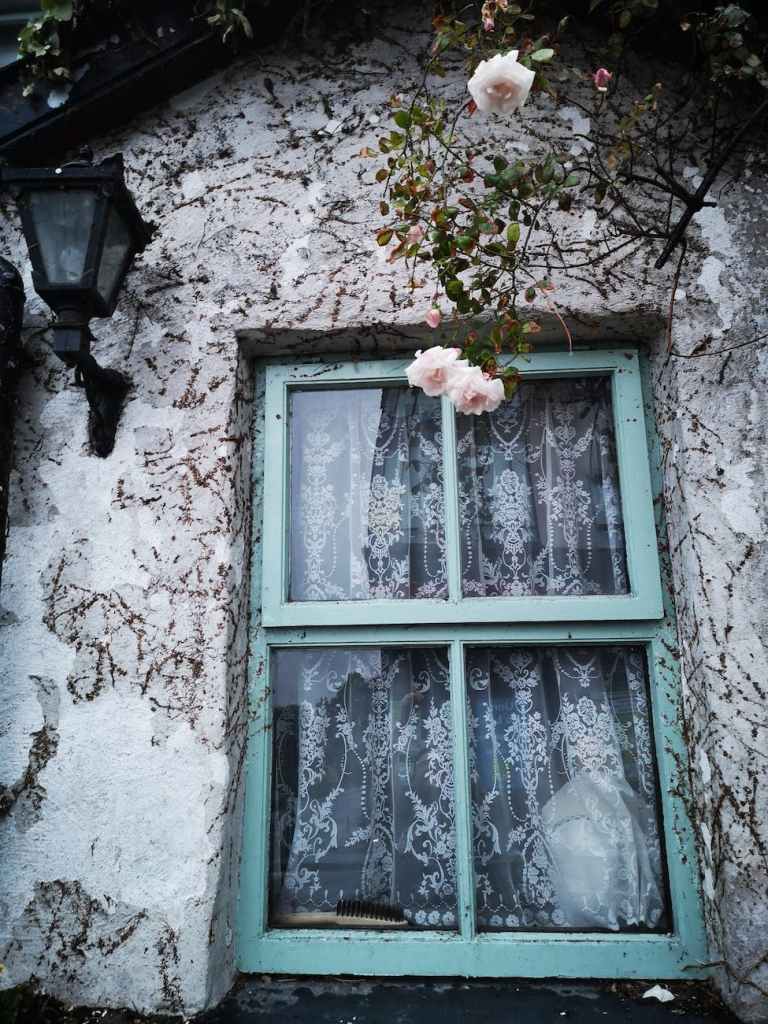


 How my heart speaks