Tribute to Ursula le Guin by Margaret Atwood

7444086_f520 ahttps://www.theguardian.com/books/2018/jan/24/ursula-k-le-guin-margaret-atwood-tribute

“I am very sad that Ursula K Le Guin has died. Not only was she one of the literary greats of the 20th century – her books are many and widely read and beloved, her awards are many and deserved – but her sane, committed, annoyed, humorous, wise and always intelligent voice is much needed now.

Right before she died, I was reading her new book, No Time to Spare, a collection of trenchant, funny, lyrical essays about everything from cats to the nature of belief, to the overuse of the word “fuck”, to the fact that old age is indeed for sissies – and talking to her in my head. What if, I was saying – what if I write a piece about The Left Hand of Darkness, published by you in 1969? What if I say it’s a book to which time has now caught up?

Consider: the planet of Gethen is divided. In one of its societies, the king is crazy. Cabals and personal feuds abound. You’re in the powerful inner circle one day, an outcast the next. In the other society, an oppressive bureaucracy prevails and a secret committee knows what’s best. If judged a danger to the general good you’re deemed persona non grata and exiled to a prison enclave, with no trial or right of reply.

What do you think, Ursula? I asked her in my head. Were you predicting anything? Not exactly, she answered. It’s a thought experiment. ”


The pen

My old blue fountain pen allows
The ink across the page to flow
Like wet paint from an artist’s brush;
And words come in a rush.

Enchanting through the hand which writes,
Bewitched with art, beauty alights.
The script is like a music score
Through which you pass as through a door.
Imagination’s home.

As,mysteriously,to you,to me,
The spirits of our hearts are tamed,
By rhythms of pen,of brush,of mind,
They enter vision quite unplanned,
Like moths to flutter softly round
Fire joined heart and hand.

The pen slows down,the hand goes still
And just as dreams at daybreak will,
They shrink,they disappear,they’re gone,
I almost caught that one.

I trod on the cat’s little toe

I am a very proud soul,
In my centre I have a large hole.
I have behaved very badly I know.
I once trod on the cat’s  only toe.
I did bite a goldfish in two.
There was nothing else there for my tea.
I scratched my own sister’s leg
And hit her with a  woodenclothes peg.
I know she could be irritating…
An expert at big sister baiting.
But that was no excuse
For binning her with the refuse.
I had so many scruples and doubts,
My confessions went on in long bouts.
The priest gave me more absolutions,
And lessons in elocution.
But you need no lessons from me
In how to brew pots of tea.
My penance has been prolonged
By a serpent with a double forked tongue.
I don’t remember the original sin,
So I’m not sure quite where to begin.
My whole life is a Passion,
And I’m always keen on high fashion.
I even saw Jesus one day.
He was so loving,what else can I say?
He came into my dark cavern
And invited me to ascend into heaven.
I know he was partial to sinners.
And was not so keen on life’s winners.
I am happy to be up here at last,
In fact it’s all happened too fast!
Now I wake up from my dream;
What extraordinary visions I’ve seen.
I liked my trip up above,
But the Earth is the place that I love.

Morning

In the morning,I’m
opening slowly, a bud,
a flower,
breathing softly,
In the summer sweetened air.
Cat stretches
Lazily,hot stones
a bed.
Don’t let the day
begin too soon.
Relaxed.
I feel your presence
In the azure sky.
Now midday,I bloom.
And take in all there is

I shall rise


When seven years come round again
My self is liquified,
My skin becomes a holding shell
For my old self has died.
As I dissolve I feel great fear
And yet I trust my soul.
So in the sea I lose my form,
And with the waves I roll.
I am at one with all the world,
And yet I am no-thing.
My inner waters rise and fall
What will the high tide bring?
After my drowning I shall rise
And I shall be renewed.
I must submit to that strange Life
With which I am imbued.
I am not mistress of myself,
I am this moment’s flower.
In the deep waters I must trust
To take me to the shore.
O hang my arms with grasses green
And dissolve me in your sea.
Thus when the time comes  round again
Regenerated I shall be

Golden love


The roses by your gate
Revealed my sweet fate:
That I would love you in summertime,
That my poetry would always rhyme,
That a dream of petals falling from above
Would drench us both with sunshine’s golden love;
That we would fall into deep grassy meadows
Full of daisies,lie on our backs.Swallows
Darting across the sky would see
Our shapes intertwined with bright buttercups.
Who knows when love will erupt
And carry us on its flowing waters
To places unreachable in summer saunters?
Into the eye of love itself

Metaphor of the week

The argument  was over till he “stirred the pot”

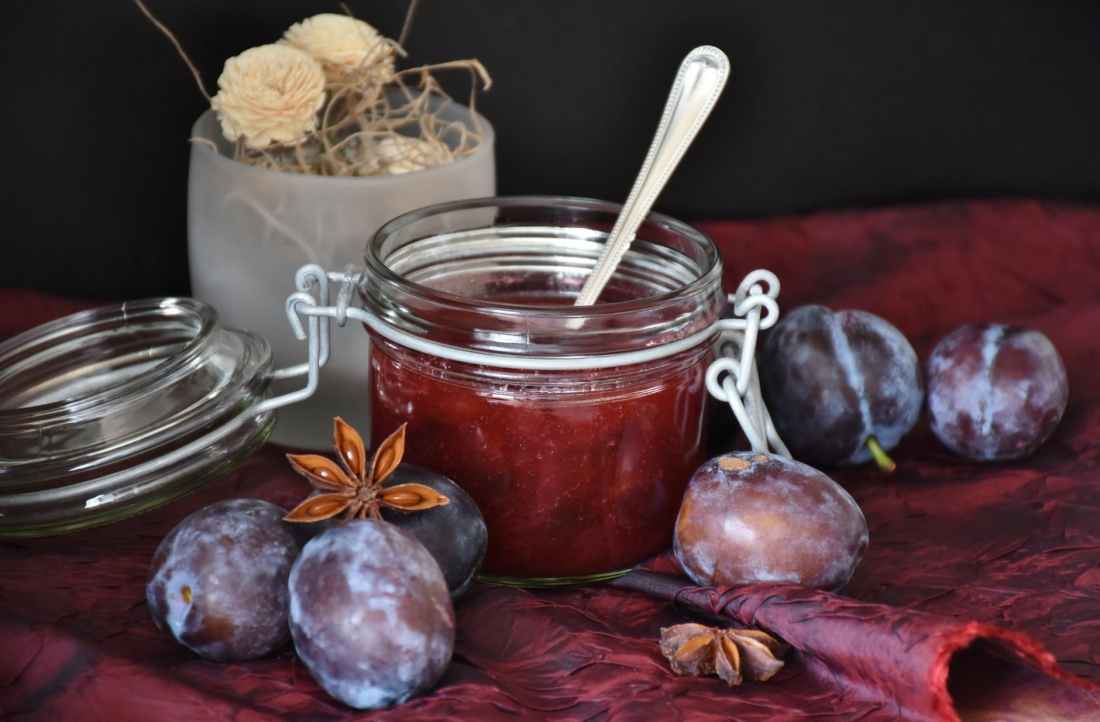
plums-fruit-jam-violet-162686.jpeg


Stirring the pot can have several meanings in cookery.
If you are making a jelly or cold pudding  it will set o if you leave it alone after mixing the ingredients ideally in a fridge or cold place
However unless it is in a  very hot place it will eventually set but will take much longer

That is probably what is referred to  in  the sentence.
If you stir a dish of simmering meat it will not affect the outcome unless you make a hole in  the pot with violent stirring for hours.In which case you deserve all you get

The first poet?

pexels-photo-784849.jpeghttps://www.ancient.eu/Enheduanna/

Extract:

WORKS

She is best known for her works InninsagurraNinmesarra, and Inninmehusa, which translate as ‘The Great-Hearted Mistress’, The Exaltation of Inanna’, and ‘Goddess of the Fearsome Powers’, all three powerful hymns to the goddess Inanna (later identified with Ishtar and, still later, Aphrodite). These hymns re-defined the gods for the people of the Akkadian Empire under Sargon’s rule and helped provide the underlying religious homogeniety sought by the king. For over forty years Enheduanna held the office of high priestess, even surviving the attempted coup against her authority by Lugal-Ane.

In addition to her hymns, Enheduanna is remembered for the forty-two poems she wrote reflecting personal frustrations and hopes, religious devotion, her response to war, and feelings about the world she lived in. Her writing is very personal and direct and, as the historian Stephen Bertman notes:

The hymns provide us with the names of the major divinities the Mesopotamians worshipped and tell us where their chief temples were located [but] it is the prayers that teach us about humanity, for in prayers we encounter the hopes and fears of everyday mortal life. (172)

Enheduanna’s prayers very clearly express those hopes and fears and do so in a very distinct voice. Paul Kriwaczek paints a picture of the poet at work: