
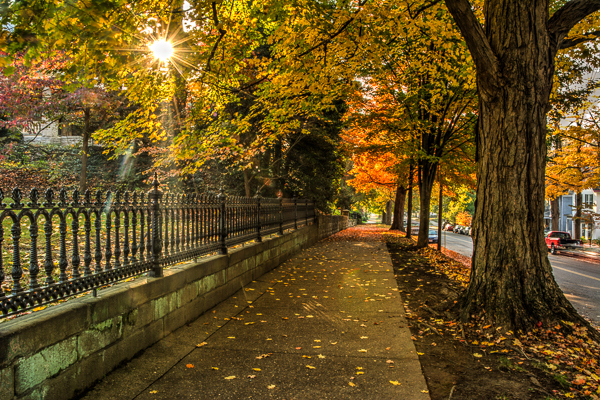
The image is from the article below
As I was reading this I decided to share it

The image is from the article below
As I was reading this I decided to share it
http://www.poetryfoundation.org/poems-and-poets/poets/detail/seamus-heaney

The atom lay unsplit, the west unwon,
The books stood open and the gates unbarred.The maps dreamt on like moondust. Nothing stirred.
The future was a verb in hibernation.
A spirit moved, John Harvard walked the yard.Before the classic style, before the clapboard,
All through the small hours of an origin,
The books stood open and the gate unbarred.Night passage of a migratory bird.
Wingflap. Gownflap. Like a homing pigeon
A spirit moved, John Harvard walked the yard.Was that his soul (look) sped to its reward
By grace or works? A shooting star? An omen?
The books stood open and the gate unbarred.Begin again where frosts and tests were hard.
Find yourself or founder. Here, imagine
A spirit moves, John Harvard walks the yard,
The books stand open and the gates unbarred.
http://www.poetry.org/whatis.htm
“What is generally accepted as “great” poetry is debatable in many cases. “Great” poetry usually follows the characteristics listed above, but it is also set apart by its complexity and sophistication. “Great” poetry generally captures images vividly and in an original, refreshing way, while weaving together an intricate combination of elements like theme tension, complex emotion, and profound reflective thought. For examples of what is considered “great” poetry, visit the Pulitzer prize and Nobel prize sections for poetry.
The Greek verb ποιεω [poiéo (= I make or create)], gave rise to three words:ποιητης [poiet?s (= the one who creates)], ποιησις [poíesis (= the act of creation)] and ποιημα [poíema (= the thing created)]. From these we get three English words: poet (the creator), poesy (the creation) and poem (the created). A poet is therefore one who creates and poetry is what the poet creates. The underlying concept of the poet as creator is not uncommon. For example, in Anglo-Saxon a poet is a scop (shaper or maker) and in Scots makar.”

https://www.poets.org/poetsorg/text/proverb-poets-glossary
’tis better to have loved and lost than never to have loved at all
You will never plough a field if you only turn it over in your mind. Irish Proverb
Arabic Proverb: An army of sheep led by a lion would defeat an army of lions led by a sheep.
Read more at http://examples.yourdictionary.com/examples-of-proverbs.html#bozb62A12bZOdkbo.99
The art of losing isn’t hard to master;
so many things seem filled with the intent
to be lost that their loss is no disaster.
Lose something every day. Accept the fluster
of lost door keys, the hour badly spent.
The art of losing isn’t hard to master.
Then practice losing farther, losing faster:
places, and names, and where it was you meant
to travel. None of these will bring disaster.
I lost my mother’s watch. And look! my last, or
next-to-last, of three loved houses went.
The art of losing isn’t hard to master.
I lost two cities, lovely ones. And, vaster,
kesome realms I owned, two rivers, a continent.
I miss them, but it wasn’t a disaster.
–Even losing you (the joking voice, a gesture
I love) I shan’t have lied. It’s evident
the art of losing’s not too hard to master
(Write it!)


