
This is fascinating

When my soul fell sad, you came to me
Severe despair had fixed me to my chair.
All at once,a golden light made free
When I could not find my way to where
In my mind’s eye I saw a tunnel black
I seem to dash towards it in my grief
I could not separate myself from this rail track.
My life was threatened by a stoney thief
In deep silence in this dark despair
Your loving kindness shone, your face was bright
Black hypnosis vanished,all was fair
I recognised your face, you were the Light.
Mysterious one who saved me from the dark
I worship you though all the world is stark
2018
Could it be despair that held me tight
in that February evening and the night
I could not see a way to carry on
Everything seemed dark and I was done
I saw great blackness all around myself
I could not be restored, I had no health
I had reached the end of seeking aid
God alone knew all the coins were paid
Oh gracious mysterious glowing light
That made a warm shawl round me on that night
Impressing me with kindness and goodwill
Holding me until I’d had my fill
Most sensuous, most tangled with love’s grace
Surrounding me, protecting my lost face
As if the arms of love were something real
That anyone who knew this must reveal
Only if we reach that darkest point
May the force of Love with light annoint



The first time that you went into a coffee shop after chemo
You told me that you could see yourself on the other wall looking back at yourself as if you were over there
I’ve never experienced that so I can’t really imagine it
But before that you went into the garden I went into the greenhouse and all of a sudden there was a terrible thunderstorm
So you were in the greenhouse for half an hour and then you came out and ran into the kitchen and your shoes were full of water!
I’m glad that you went to the coffee shop I think you sent the email from there but I’m sorry that you felt so peculiar.
I admired you for going there by yourself.
A bit later,you both went to Llandudno.
You stayed in a posh hotel
You bought avlovely dress
You went to see your daughter’s new house at Christmas
I could understand how you wanted to see that. Other people’s home decoration and colour schemes is always been something you loved
When you saw her new baby in March you were contented and you said the baby was so placid and happy that she was easier for them to care for.
After that it all became too much for you; you felt so ill and exhausted that you decided you didn’t want to struggle any longer
So we had to say goodbye.
You had read in a magazine living with cancer is like having a loaded gun at the back of your head and you never know when someone’s going to pull the trigger and you lived for nine months after that.
The worst part was that you couldn’t sing in your choir it was very sad it was lung cancer. You have never smoked etc but it was the polluted tone in which we grew up but why did you get it and I didn’t? It doesn’t seem fair really especially if you’ve got children and grandchildren he missed you so much
And I miss you too I miss you very much but I know that you had enough and you died with your holy beads in your hand which I had got for you.
Thank you for everything
Today,a picture post card came here
from your sister
And you won’t see it.
I had my hair restyled
And you won’t see it.
I bought a new kitchen bin with a green lid
And it opens when one presses a button
And you won’t see it.
The manager in the coffee shop was sorry
to heat that
you have died
He gave me a free drink
and said to go in if I feel down or lost.
He said he liked you but you looked weak in the spring
And I can’t tell you.
I’ve had some roasted potatoes tonight.
You would have liked them
Mr Patel called and put his hand on my shoulder.
He said to call them any time day or night if I am in need
You did know that he came with food in the winter.
I look very pale now as my haemoglobin is only half of the normal level
I am glad you don’t know about that.
i had blood tests yesterday,so maybe I’ll get more treatment soon.
I’m happy you don’t know and also you’d miss my rosy cheeks.
I saw Alfred down the road mewing outside number 99 yesterday
and today he came here and had some milk
so he’s not a stray cat and I can’t keep him.
you’d be disappointed for me…
I mended the headboard on the bed.
I have bought a new armchair which is bright red
andi does not match anything else
And you would not like it.Probably..
Neither do I but I can’t wait any more.
I have got some new shoes too.
What a surprise!!
I still have your ashes at home.
I don’t suppose you know that.
But I know
I know.

..

Art by Katherine
As Mary got ready to go out,she realised she had not combed her hair.Where were the 24 combs she had bought from Amazon?Not in her delightful red and purple shoulder bag.She pondered over what to d0
1 Use the clothes brush
2.Try a nailbrush
3 Use her toothbrush
4.Look on the floor
5.Look in all the drawers in the house
In the end she decided to pour some water over her head, put on some oil , then push her hair into the direction she wanted
She put on her red dress with a pattern of little books all over, a favourite of Stan, her late husband.Her shoes were peach coloured in homage to some artist who liked clashing colours.He was not good as an artist except for this ability to find the worst possible colours to put together.So he is known as Ned the Red and Purple
Suddenly the doorbell rang like a burglar alarm on heat.She opened the door and Dave the paramedic ran in
What’s wrong,Dave, she asked
I am being chased by a big Siamese cat,he replied.
I can’t see any cats, she said in a kindly tone.Never mind,let me make you some coffee
Before she could close the door a big and lovely cat ran in
Who are you,Mary asked him?
I am called Jeb, he told her.I like that man in the dress so I want to ask him to adopt me.
OK said Dave.My cat died and I’ve been too sad to get another one.Are you able to sleep by me in bed
Definitely, said Jeb.It hs been my life time desire
All three sat down in the small but delightful orange and lime kitchen watching Emile climb a tree.
I haven’t seen you lately,Dave said gently to Mary
No,I went to the hairdresser and my hair is so short it looks as if I am having chemotherapy.Still it was nice to be cossetted and it won’t need much arranging or blow-drying.
I suppose you could let the back grow before the winter,Dave told her
Yes, at least my head is cooler for the summer.It was hot when I went there so I assumed that would carry on.But now it is colder.
How about wearing a hat?
Yes,I’ll ask Annie about that as she knows more about clothes than I ever shall
The phone rang startling Jeb who had been living in a field
Hello, this is Sister Mayflower from the bereavement group.
Hello,Sister.How are you?
I am worried because the other women were so unwelcoming.I have taken it over recently and recognise they are a closed group and it is 20 years since most of them were bereaved so they don’t want anyone to distress them by actually feeling sad.
Don’t worry about me.I only came because Annie my neighbour saw an advert for it and I did it to please her.
I see ,said Sr Mayflower.You can come to the Convent if you like.Just say Mayflower.
Thank you very much.Bye , bye, said Mary
Who was that, a nun? said Dave.Don’t tell me.I can guess,Several patients we’ve had have been there and were disappointed.They should call it tea and chat except they don’t want any one new to join even in that.Odd as it is a Church based on the teachings of Jesus.Love one another.
Loving others may be harder than it sound,Mary mused dreamily
i feel much better , she said.I am playing the piano every day.I met 3 friends for coffee and then went to the bookshop.I love sitting there looking at new books.And it’s nice not to have to cook every night
Mary got up ;oh dear, her trousers fell down
Good grief,Dave cried.You have lost weight and you are wearing red knickers!What next?
Yes, said Mary.Don’t you like them?
I am unsure.Shall I get some?
Just get 1 pair and see how you feel.I got mine in the Market.Otherwise Marks do purple and green ones,Mary murmured
Imagine all the old folk wondering around the town might be wearing purple and green knickers. said Dave.It must make washing hard as you can’t put them in the 60 degree wash.
I never thought of that, cried Mary, her blue mascara running down her face.
I’ve read some women wear a pair once and then throw them out
Well, they could cut them up and use them as dusters,Dave mused.
Why not just buy dusters and wear white or beige knickers? Life is hard enought without worrying about such trivia
My mascara is melting because my eyes keep watering.
Go and sit by the potted plants and let it fall on them,Dave said scientifically
Don’t be ridiculous, she said unknowingly.
I think it is hayfever or the pollution in town.The traffic was like a plague of giant houseflies on wheels.All stuck still.
Well flies don’t keep still,Dave said.If they did we would kill them
I guess there’s an accident ” on the motorway so they send the cars down here.I wish they had kept the railways open as the roads are frightening with those big lorries with cars on the back.I used to be afraid one might fall off on us,Mary remininisced, when Stan drove me to the coast
The door opened and in dashed Annie from next door.She wore a dark wine track suit with a pale pink T shirt matching her lipstick from Yves de Beauvoir McMorris of Paris and Wigan.
Hi Dave she said.I love that dress,Is it from Marks?
Yes, he answered.I like these cotton maxi dresses in hot weather.
I can understand that ,she whispered.Trousers are hot and if you wash them they need ironing.People forget we sweat more in the heat
That’s fortunate,Mary said.Otherwise we would die
And so cry all of us except Jeb.Jeb never cries

‘The more we can help people understand we are not suffering from disorders but struggling with living in contexts that frighten us and deprive us of essential nutrients for the mind, the more we free ourselves to discover our own compassionate courage and wisdom and build the relationships with ourselves and others that help us flourish personally, morally and spiritually. This outstanding book is a must for all, because it takes us to the heart of how to consider and address the traumas, tragedies and suffering of life. It is the future.’

Mary woke up on Tuesday feeling dazed.She had been dreaming of Arnold,her student boyfriend.so sweet and shy.
I wonder where he is now, she thought.Then she recalled he was in fact a world famous cancer researcher.She hoped he had found a shy sweet partner would it be better if he had found an extraverted jelly kind of wife.
Emile was yowling on the landing despite the large bowl of Superior Cat Food he was standing next to by the bookshelf
I believe that people and animals like not just to eat, but to be fed,Mary thought.Stan used to make the dinner but he always wanted her to serve.
Emile would eat his food after she stroked him.But who would stroke, Mary?This was a hard and topical question because Mary had stopped eating.However, as she was quite large, she could live for a few weeks on water only.So she mused
Mary put on a pair of purple trousers and a lomg lavender coloured top.She gazed into the mirror wondering why three hairdressers had failed to help her style her fair hair.
Now,she recalled Arnold was a Russian Jew by inheritance though he had lived in the USA all his life until taking up research into cancer at the ancient university Mary attended.
If she had married Arnold she could have pretended to be religious,converted and then worn a wig.
Annie came running upstairs.
Whatever are you doing,she yelled.It’s 11 oclock! Her make up was melting despite being Max Doctor’s All Day Creme Mousse
I was wondering if I could find a Jewish man who would marry me, purely legally, just so I could wear a wig.
What a load of tripe,Annie retorted.No wonder you’ve had no breakfast.If the man was religious he could not marry a lapsed Christian. Or an agnostic.
If you want a wig just go online.
You have no imagination,Mary answered,I spend half my time wondering what would happen if I did A,B or C.And what I might wear
And then you do D,Annie joked merrily.Or X.
Where are you going in purple trousers,she continued.You should not wear them at your age.
Do purple trousers have a meaning,asked Mary.I got them in Windsmoor’s sale for £12.
I refrained from buying a jersey jumpsuit as it looked like a burkini and I am a bit nervous now of racists coming into the open.
Very sensible ,Annie told her.I bet the French are jealous because Muslim women and certain Jewish women don’t get skin cancer nearly as often as Christian or agnostic English women.Should we convert?
I don’t think they would like it if it were only to save ourselves from cancer,Mary mused.
True,said Annie,dully
Mary felt hot so they went into the kitchen and made some tea.Annie was wearing snakeskin pyjamas and black patent shoes.
Do you sleep in those pyjamas,Mary asked?
Oh,no.These are day pyjamas or leisure suits ,Annie smiled.They are comfy.You can get them in the market for £2.
Mary heard a strange noise
.Stan ,her late spouse ,appeared in the kitchen carrying a big leather bag,
Hello,he grinned.I’ve just come to say I have bought a detached house in Ealing.
But you are dead,Mary whispered thoughtlessly
Yes,I am a ghost but I have bought the house via Dave.I paid cash.
Why Ealing,Mary asked suspiciously
I like that song,Neasden and it’s quite near on the North Circular.And Ealing is healing!
So that’s where you’ve been while I have been grieving,Mary said.On the North Circular Road enjoying Willie Rushton’s songs as you drive
And besides, I want to re-marry and get a wig.
Well,you can get the wig,Stan told her handing her £4,000 in cash from his pocket.But don’t get married until I am in heaven
When will that be,the ladies asked.
Dunno,he cried.It’s such fun in Purgatory where the ladies are naughty but not actually evil.
And so say all the men.Ah,men

Mary opened the door as the bell kept ringing.There stood a clergyman in a grey wool suit and baseball cap coordinated with his Nike trainers
Hello,madam,he said suavely in a mellifluous voice
Hello,Mary answered kindly.What is your mission?
To convert the entire world to Christianity.
I am sorry,I meant what was your mission with me.But anyway, you can’t convert me.So you are a failure.It’s called a counter example in Maths.
Why can’t I convert you, he asked the blue eyed witch of Knittingham standing there in her dark Artigiano jeans, Dash striped top and a red wool stole
I like choice, she cried.I do not want a creed.
Anyway, the man told her,I just came to say I am buying a flat across the road and I wanted some opinions on the quietness of this area before I finalise my purchase.
Mioaw,went Emile in a loud shriek
Oh,Lord, what is that, a demon,the poor man asked?
It’s only my cat, she told him,why not come in for coffee and I’ll tell you about the nearest neighbours.
That is very kind of you, he said.But I might be a burglar
Oh,good,Emile purred.I’ve always wanted to meet a burglar.
Why, asked the man as he entered the beautiful hall full of spiders and Picasso prints.
You can tell me how I can get into other people’s houses, the cat told him boldly.
I want to be a cat burglar!
Come into the living room, said Mary.The room was full of books like the Encarta English Dictionary, Stanley Middleton and “How to talk so cats can hear” piled in tidy heaps.
My name is Jacob, the visitor said.I have just retired but am keen to keep converting people as Christianity is the best religion ever
I don’t really want a religion and I am unsure how you prove it’s the best
I am keener on the Hindu religion, she lied impertinently just to see if she could carry it off as Aspies can’t tell lies
Suddenly the kitchen door opened and in ran Annie, the neighbour and one time Mistress of Stan,Mary’s late and dangerous old husband
Hello,Jake, she cried as she kissed his aged cheeks fondly
I am buying a flat but I didn’t know you lived here he said politely
We met on Tinder, Annie told Mary.
What is that, a hill? I know Kinder Scout.
It’s a dating website,Annie said gently, her curving lips covered in wine coloured lip glaze which almost matched her burgundy eye shadow and purple hair.
Why did you not ask me? Mary said shyly
I didn’t think you wanted another man,Annie said pertly with a twinkle in her gorgeous red eyes.
And Jacob said he came to convert me but is it true?
No, said Jacob.I saw you in the front garden and you look so beautiful I wanted to meet you.
Thank God you are not going to shower me with Biblical quotes,Mary said.
I suppose we should admire you going straight for what you want.Although when you know me better you may not find me so attractive.
Jake’s eyes bulged with emotion.
Well, you may not find me so attractive either, he cried wiping his streaming eyes on a kleenex tissue.
Mary ran upstairs and collected Stan’s hankies
Here, use these, she told Jake soulfully
Annie brought in some hot coffee with cream
What do we older people want, she murmured quizzically.We have loved and lost but shall we love again?
Well, I shall mioawed Emile.I don’t keep thinking,I just do it.If I get a chance
Love is more than sex,Emile.We want someone who shares a few interests and likes conversation.
What are your interests, she asked Jake?
I can’t remember, he admitted.I’ll have to look on FB at my profile.
But what do you do all day?
I read the Guardian and the Independent then I go out looking for women.
Women of the Night?
No,I just like to sit in the Mall and admire women as they pass by.I don’t want to cause suffering to women.And I am diabetic so I get erectile dysfunction sometimes so it would be a waste of money in any case
Well, if there was a National Wage or better benefits these prostitutes might give up their dangerous work.They all sat looking glum as they pondered over the political scene in Britain
If we were Jews we could live in Israel
Yes, you’d have seriously think of that to as the number of anti Semitic hate crimes has gone up by about 70% this year.And what that has to do with Brexit is hard to know except all people who are of different ethnicity are also being attacked.Some people seem to think it means black people will have to leave despite the fact nowhere in Europe is there a country mainly made up of black people.And during the Empire all people in it were British citizens.
Still,I feel too old to convert.Can we get false documents to prove we are Jewish?
That’s not something I know about, said Jacob, though my name is Jewish.It is Disraeli!
Hang on a minute,cried Annie.Let’s not be too hasty.It looks like Israel is on the verge of war.Yet Jake. if you married both of us we could get in as your wives as you must be Jewish.
But we are not meant to marry Gentiles.
Well how about us being servants?
Alas, that country was never truly accepted and it has become very,very fierce.I find as well that they love arguing ,which I don’t said Mary.
Well many other people love arguing,Jake said.But it’s true it is dangerous there especially with Syria at war so nearby
Why don’t we all go out and have a salt beef sandwich and some chips instead?Or how about ringing 999 for advice? They will know about getting false passports.
Is that true,said Mary
And so ask all of us.


I was sitting in the window of a coffee shop called Joe’s
I was sitting in the window when the rain turned into snow
I saw my own reflection in the glassy window panes
When my reflection smiled at me, I thought I was insane
When I looked again there was nobody out there
Then I saw my sister she was looking very fair.
She gave me lots, of money, it was silver it was gold
She sat down here beside me, she grabbed my hand to hold.
You’ll be alright now baby because I am here with you
I was fragmented and flying, then she brought me back to earth.
Everybody’s fragile but we know what we are worth
She put me in a basket, holy Moses, where’s the Nile?
She said she got my number and she’s put it in my file.
I am happy I am sad cancer drove me mad
I felt fifty shades of grey but it’s not entirely bad.
I’m still alive I’m still alive and I will sing my songs.
So she went into the kitchen anti soaked up something wrong.
Good is bad and loss is gain. Whatever shall we do
We’re coming back with Cohen, he can sing the blues

Stan was sweeping the garden path.He had a stiff broom with a small head that was useful for cleaning the edges of the steps.Emile, his beautiful cat was sitting in the old apple tree gazing down on Stan.
“Is it time for coffee yet,”Stan asked himself.He had forgotten to put on his watch.
Suddenly he heard a shriek.He peered through a hole in the fence.His neighbor Annie was lying on her back in some mud.
“Hang on,I’ll come round!” he called.
There was a gate in the old fence which was rarely locked
since Annie loved to drop in on Stan.
“Oh,Annie,how are you feeling?” he asked her anxiously.
“Bloody annoyed.I’ve only just bought these,”Not your daughter’s jeans” and now I’ve torn them,” she replied politely.
“But you don’t have a daughter!” he informed her loudly.
“I know that.It’s just they are better cut for the mature figure.”
“Your figure is not mature.You are quite slender.my dear,” he murmured lovingly.
“Well,I never feel happy with it!” she said mutinously.
“Whereas I am very happy feeling it,” he responded romantically.
Tears came into her green eyes lined with purple eye shadow.Alas,it was not waterproof and purple rivulets ran down her cheeks across the peach blusher with which she had valiantly decorated herself earlier.
“Can you get up?” he asked tenderly.
“Yes, but it would be nice if you picked me up.”
He leaned over her and licked the purple streams of tears off her cheeks.
“I hope it’s not poisonous,” she murmured.
Then with the aid of Emile,he lifted her to her feet and helped her into her large trendy kitchen.
The kettle switched itself on as they entered and a robotic voice asked if they’d like coffee.
“God in heaven,what the hell is that?” he cried confusedly.
“It’s my new computerized hot drink maker.After that fall I think a double espresso would be good.”
Emile ran in and asked for coffee too.
“Emile,you usually have milk,”Stan reminded him softly.
“Well,coffee is a new taste for me but I like a little.”
the cat whispered sweetly.
“I’ll give you some of mine in a saucer,” Stan replied.
Emile began to sob.
“Why Emile,whatever is wrong?”
“I want a cup and saucer just like you” the cat howled.
But you have no hands,Emile,” Stan reminded him.
The poor cat was crying loudly now.So Stan rang 999.
“Can you please send the emergency ambulance round.the cat’s crying and all his hankies are in the wash.”#
Soon Dave,the transvestite paramedic appeared.
“I love your light teal kitchen,” he informed Annie,
“And your eyes look like two deep pools in a coal mine.”
She slapped his cheek naughtily.
“Have a look at Emile” she ordered him sweetly.
He turned to the cat who was sitting on the dark pine table.
“Here,Emile,I got you some Kleenex for Cats in Sainsbury’s.” he said gaily.
“I want a real hanky,”cried Emile.Dave took a clean hanky from his own pocket and dried the cats tears.
“What made you cry.Are you feeling bad.”
“Yes,I want to go to Cafe Nero,” Emile mioawed.
“Who told you about that?”
“Another cat down the road has been and he said it’s lovely for people watching.”
“The town is not safe for cats like you,Emile.”
Dave urbanely replied,
“But when summer come I’ll take you to the out of town
Marks and Spencer’s.They have a cat’s coffee corner upstairs.”
“Wow,isn’t it amazing,”Stan wondered out loud.
So Dave poured out the coffee and they all sat down and
discussed Ray Monk’s Life of Wittgenstein.
Ray has discovered that Wittgenstein liked cats but as he moved around quite a bit,he never owned his own cat
though Elizabeth Anscombe let him play with her three cats now and then.
We may all be different but most of us value the love of a good cat.Even boiling their hankies and ironing them is very nice.We all have this problem though.
Where can a cat carry his own hanky?
Do cats need shoulder bags?
What would Wittgenstei
Being old is like being a child again
Is this thing I feel on my dressing gown front embroidery or is it food that I’ve dropped trying to eat my dinner in front of the television that doesn’t work?
It’s embroidery but it’s only on one side why would I think it has to be symmetrical I wonder?
Why didn’t I get rid of the television before I wonder.
If it was embroidery they would have duplicated it on the opposite side but it isn’t so maybe it’s Weetabix.
Should I have to wash it again because the last time I washed a dressing gown the zip broke. Maybe I can scrape it off or sponge it or both.
At least babies don’t worry when they wet themselves
When you have sepsis your kidneys stop working so you don’t pass any water and your blood pressure falls so you don’t need to worry about it anymore until you die of course but do you worry after your dead? If you die from low blood pressure you can blame the doctor who put you on the medication
There’s no point worrying if you’re in hell and if you’re in heaven would you not be happy except that all your family are in hell so you’re lonely it’s a difficult thing this isn’t it having to worry about what happens when you’re dead. But it makes this thing on my dressing gown front seem less important
it is a flower embroidered on
anyway I don’t believe in heaven and hell except for states of mine while we are alive on the earth and heaven is something we feel here when we approach the great commandment to love our neighbour as ourself. Only for a few moments just for a few moment we can be in heaven when time stands still and everything expands.
Once when I was knitting I had a vision of two hands holding large knitting needles and I realized that somebody was knitting the world.
It was a very beautiful experience only to be achieved by being alone and in silence for a long time

Certainly thyroid disease and cancer can cause depression before the physical symptoms develop . It happened to both my father and my sister with lung cancer so don’t accept that it’s just depression and in any case depression itself is serious whether or not it’s caused by a physical illness.

I have always believed that if you are frightened of something inside or outside of yourself it is best to confront it. Plunge right in and find out all about it and the fear will dissipate.
Sheila Hancock
Love thinking about you.
Love,thinking about you
Love thinking,about you……
Thinking about you,love.
Thinking love about you.
You, thinking about love.
You thinking about love?
You love thinking about….
You about,thinking love?
About you,love,thinking.
About thinking,love you.
Come love,stop thinking.
How come there’s love about?
Think about it
‘Attend to what love requires of you which may not be great busyness.’
When true love’s gone and doom hangs over head
When life runs like a river to the sea
Then shall I take new lovers to my bed
And with their carnal touch consoled be?
When lovers lie and break my woman’s heart.
When life seems grey and rocks bestrew my path
. Then, shall I my life of evil start
And on the world shall I bestow my wrath?
When my love lies and wrecked all loyalty.
When puzzlement makes all the world seem mad.
Then I shall upend causality
And let myself do deeds which make me glad.
I have the fruit of love within my heart.
Sorrow will not tear me into parts
The hedge was very big but the light came through
I heard that laughter, knew that it was you
Happy sound that surprised me with its joy
I had not heard such laughter since you died
I looked right through the hedge it had no leaves
The laughter was such comfort in my grief
Then I heard your voice you called hello
You sounded happier than I’ve ever known
Instead of a cramped coffin there was space
Everything was open with such grace.
Instead of deep black soil I saw this light
In my dreams I felt you near that night.
Instead of tense contraction I felt free
This little dream was beautiful to me
And if I close my eyes I see it still
Though god himself had died upon a hill.
Eternal life is here on earth I knew
With such gifts we do learn a different view

She asked the Queen Mother if the loss gets better, she replied,
‘It never gets better, but you get better at it.’

The myriad random movements, words and signs
Inanimate, cold blooded,hot or warm
In mystery make the world, complete, designed
From the stars at night, to needles’ eyes
Every size is present eye to horn
The myriad random movements, words and signs
Yet, not robotic, shivering, alive
Like a human baby when new born
In mystery the world is fresh, designed
So every morning we awake surprised
The dreams we had afflict us like flung stones
The random movements, words and latent signs
Are dreams the truth or can the unknown lie?
Are we subject to their nightly roams?
The mystery is the world makes its designs
As the wild geese land at one in storms
The murmurations of the starlings charm
The myriad random movements, words and signs
In mystery make the world, replete,divine
Now we are wondering if we are facing a third world war
And I’m worried about sepsis
Now the times in London is praising Kier starmer when before they despised
And I’m still worried about sepsis
Now Starmer seems to be taking on a worldwide leadership role though not quite the same as Donald Trump
And I’m still worried about sepsis
I don’t like it when they say Starmer has learnt from Trump
I wonder if Trump is worried about sepsis?
The Times is still criticizing the government for charging VAT to private schools and claiming that the teachers in private schools get such lowest salaries they’re having to take second jobs.
Don’t tell me that they have lowered their salaries and made them all frightened of sepsis!
Now like the army with its troops we’ve got to get our immune systems into order
Otherwise we have real world sepsis or to put it in a different form we’ll have a third world war
And I might have died of sepsis
the army depends on its leaders and to some extent they can be controlled
Who can stop my immune system from over functioning and underfunctioning simultaneously leading me to have had three attacks of sepsis
But I’m still alive and I intend to be alive although whether that makes any difference I cannot tell you.
All I can say is I must be very strong but how can I bring some order into chaos and keep everything in balance and not attack the wrong targets and destroy myself
Which in a sense is what sepsis is
As far as I have discovered but for what reason have I begun to get it?
Well I really don’t know because the immune system is not under my direct personal control
Maybe this is why people pray but prayer can only give us strength it cannot directly change the world.
I will not keep thinking about sepsis
I will submit to the will of God whatever that means it’s certainly not within my willpower to prevent the third world war
Not to stop myself from getting sepsis again
All of these things are very expensive and everybody is angry about paying tax etc
The readers of the times are angry about poor people pretending to be mentally ill in order to get sickness benefits
It seems that they do not require any evidence of proof of their beliefs.
They just know everything by intuition and absolutely certain that they are right
Which is rather stupid really
Maybe their lives have been very hard so they’re jealous of the poor after all the poor don’t feel the cold so they don’t need shoes on their feet and they don’t need blankets on their beds either
A one day they might get sepsis for all I know
Live like a butterfly
Dance like a bee
Shout to the world
It’s me me me
If you believe in prayer then pray for me
If you believe in care then care for me
If you believe in love then love me do
If you believe in life to life be true .
If you have faith and vision do not doubt
For these can turn the world about
If you despair then think you may be wrong
In the early morning hear bird song.
If you are sad then let us weep today
Sometime nothing’s left but the urge to pray
If you are lonely I am lonely too
If you were sick I’d comfort you
But as I write across the world this way
In Russia and Ukraine my friends please stay
In Macedonia and in Mongolia too
We’re all human beings, this is true.
Across the world our tears will start a flood
To wash away the sin, to bring some good.
If evil men rule this our land
Even God himself can’t understand
Every week the very oceans cry
Kill no child, for God himself may die

I am taking some antibiotics which can cause the following side effects amongst many others
Anxiety
Insomnia
Increased or decreased urination
So let’s hope that they and also cure the the infection







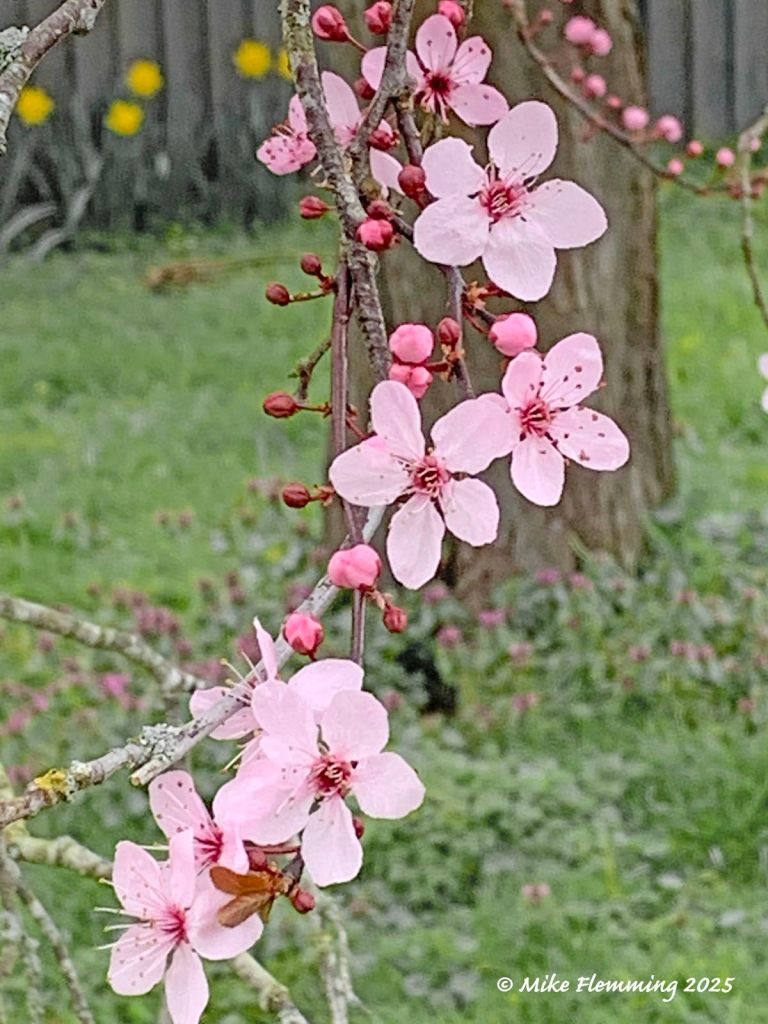



 How my heart speaks