Category: Thinkings and poems

Let’s all be more patient

Interview with British wordsmith (and poet) Pascale Petit – Wordsmiths’ Blog

An interview with Wendy Cope
 https://www.poetryarchive.org/interview/wendy-cope-interview
“What do you see as the role of humour in poetry?
I don’t set out to write humorous poems it’s just sometimes my sense of humour gets into them – well quite often. As a reader I suppose I laugh when I recognise something – I think laughter often is when you recognise something is true but you’d never actually allowed yourself to think that or you’d never heard it put quite so well. I think it’s possible for a poem to be funny and serious at the same time and I get very annoyed with the assumption that if a poem is funny then it can’t be saying anything important and deeply felt. Some of my poems are just playful and could accurately be described as ‘light verse’ but I think in a lot of my poems, although there’s humour in them, they are saying something that matters and something that’s deeply felt and I don’t think…I think those things can co-exist in the same poem.”
Share this:

Opinion | 10 Theses About Cancel Culture – The New York Times

Cancel culture?
https://www.nytimes.com/2021/09/20/opinion/generation-cancel-culture.html
A few weeks ago Anne Applebaum published a piece in The Atlantic titled “The New Puritans,” about people who have “lost everything” after breaking, or being accused of breaking “social codes having to do with race, sex, personal behavior or even acceptable humor, which may not have existed five years ago or maybe five months ago.” Around the same time, The Economist published a cover package about the illiberal left, warning that as graduates of elite American universities have moved into the workplace, they have “brought along tactics
Share this:

5 Ways to Manage Politically Induced Stress
https://healthblog.uofmhealth.org/lifestyle/5-ways-to-manage-politically-induced-stress

Be open to learning about other points of view.
Imagine you’re at a gathering with relatives and someone brings up politics. What may initially cause dread can be reframed as an educational opportunity.
There are reasons why people feel the way they do about certain issues, or people, and someone may not ever know why unless they ask and are ready to listen. That interaction may also bring up a topic or person the other wants to learn more about.
Share this:

Soothing hobbies

https://www.thesource.org/post/10-hobbies-that-fight-depression-anxiety
Get Out in Nature
Being in nature is known to improve general well being, from reducing stress, anxiety, and sadness, to reducing muscle tension, stress hormones, blood pressure, and heart rate. Think about the aspect of nature that makes you feel the most relaxed and at ease; find that environment for yourself and make it a part of your rhythm.
This might look like:
1. Walking each morning to enjoy the sunrise
2. Swimming in your local river or lake every weekend
3. Hiking twice a week to enjoy the trees and birds on the trail near your house
4. Taking a road trip to another part of your state each month
5. Driving out to the country and stargazing twice a month
6. Biking through your neighborhood to pick up your coffee before work
7. Planning a coast trip twice a year
However often you can make a trip out to nature, do it. Whether you’re walking to gaze at mountains for 10 minutes each morning or jumping into ocean water once a month, try your best to move around in a natural setting.
3. Keep Houseplants or Start a Garden
There’s nothing like watching and nurturing plants to encourage optimism and mental health. Since you’ll have something to look forward to in each season, gardening can create joy and break cycles of anxiety. It can also help you clear your mind, especially after difficult days.
You don’t have to start a whole garden; not everyone has enough space to do so
Share this:

Does mental illness exist?

https://iai.tv/articles/does-mental-illness-exist-auid-1280
further problem is that the so-called ‘symptoms’ are not examples of bodily dysfunction, such as pain, rashes and so on, but consist of a ragbag of social judgements about people’s thoughts, feelings and behaviour. For example, someone – usually a woman – diagnosed with ‘borderline personality disorder’ has been assessed as displaying ‘inappropriate, intense anger’ and ‘a pattern of unstable personal relationships.’ But we know that women who are so labelled very often have a history of abuse, which may make their so-called ‘symptoms’ entirely understandable.
Similarly, there is growing evidence that the hostile voices said to be a symptom of ‘schizophrenia’ may reflect earlier unprocessed traumas, such as bullying or domestic violence. And at the less severe end of the spectrum, the desperation and hopelessness that might be diagnosed as ‘depression’ is known to occur more often in personal and social contexts that give people very good reasons to be miserable. These histories are routinely obscured and unaddressed within a system that re-interprets them as evidence of medical illness or disorder.
In essence, then, a diagnosis turns ‘people with problems’ into ‘patients with illnesses’. Reactions to receiving a diagnosis vary, and some people say that it offered welcome relief from guilt and isolation. For others, though, it constitutes the first step in a lifelong career as psychiatric patient, with everything that is implied – long-term use of psychiatric drugs, stigma, and social exclusion. Some have vividly described the profound disjunction in their sense of identity as this new version of reality is imposed on them: ‘I walked into (the psychiatrist’s office) as Don and walked out a schizophrenic … I remember feeling afraid, demoralised, evil.’
Psychiatric diagnosis turns ‘people with problems’ into ‘patients with illnesses’.
How, then, do we proceed, if we want to accept the reality of people’s distress and yet dispute the validity of the medical explanations that are offered? This model has taken hold so strongly that it can seem bizarre to question it. And yet we have a mountain of research to confirm that all kinds of social and relationship adversities massively increase the likelihood of experiencing all varieties of mental distress. This includes poverty, unemployment, emotional neglect, physical and sexual abuse, domestic violence, bullying, and so on, as well as more subtle difficulties such as feeling criticised, undermined, invalidated and excluded.
At a wider level it has been demonstrated beyond dispute that we all suffer from living in societies that are unjust and economically unequal – ‘If Britain became as equal as the four most equal societies […] mental illness might be more than halved’ (Wilkinson & Pickett). Similarly, psychologists have described how whole societies may be affected by so-called ‘austerity ailments’ of humiliation and shame; fear and distrust; instability and insecurity; isolation and loneliness; and feeling trapped and powerless.
This perspective does not give us the neat explanations or the hope of simple cures that are offered by a diagnosis and a corresponding pill. It implies that we need very different solutions, at every level from individual to societal. One possible starting point is the core skill of all clinical psychologists, known as ‘formulation’ (Johnstone & Dallos). This is the process of making sense of a person’s difficulties in
Share this:

Sex, disappeared as well as everything else in lockdown


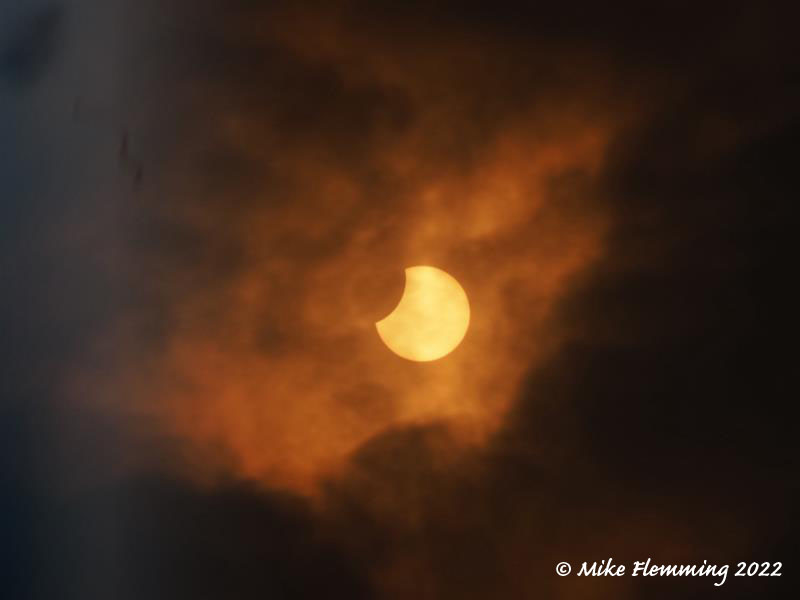
Partial eclipse of the sun photographed by Mike Flemm,ing
Share this:

Affect matters more than numbers do

COVID 19 and mental health

What is complex trauma?

As anyone with a sibling or more than one child knows, people will respond differently to the same situation. How much do individual traits change or mitigate the effect of ACEs?
A. If you take a population of 1,000 people or 10,000 people or 100,000 people and they all have one ACE versus two ACEs versus seven ACEs — what you’re going to see is this substantially increased risk of health problems. Are there still going to be folks who by virtue of their biology or circumstance or environment are able to be resilient in the face of adversity? There are. Just like there’s the guy who smoked two packs a day and drank whiskey every day and lived to be 100. The takeaway for me is how we’re trying to reduce the exposure on a population level.
Q. You’ve said that your work on ACEs led you to your husband. What do you mean by that?
A. I won’t comment on any of my ex-boyfriends, but I was like — whoa — the type of relationship that I have has a profound impact on my life span and my health. Not just how I feel, but this could seriously shorten my life expectancy.
My husband is a person who I feel heals me from the inside out. He’s been really instrumental in what I’ve been able to accomplish in terms of starting my organization
Share this:

Deep in the ground the worms drowse mixed with flowers
A day with my own self, such peaceful hours
The inner seas make music as they roll
And in the ground the worms air roots of flowers
The rain comes down in cold but gentle showers
Desiring to give moisture to all souls
A symbol of the value of quiet hours
In Northern hills we looked for Durham owls
They hunt by day to keep their bodies whole
While in the ground the worms air roots of flowers
My loved one was a native of those towers
Highcliff Nab and Hasty Bank called home
My days with him a-wandering there for hours
As he died , deep in my heart I howled
I held his hands, remembered , paid the toll
While in the ground the worms digest the sour
Lying in the heather we had roamed
May God have mercy on his homing soul
Now I enjoy in reverie our hours
Deep in the ground the worms drowse mixed with flowers
Share this:
Emotional traps
Emotional claustrophobia is widespread
We fear our feelings,fear the sudden dread
We swing between attraction and dismay
Others have been seen to sink to prayer
Yet all alone at Xmas we are sad
Even our other choice was dread
People who can madden with crude noise
Feel some one else might love their voice
Silence is like music in its joy No intrusion, no strong word annoy
But if we flee intrusion at great speed
We may miss the very clues we need
Oh, to find a lover joyful in our space
When we long for touch, for wild embrace.
Copyright © Year Posted 2019
https://googleads.g.doubleclick.net/pagead/ads?client=ca-pub-3034358392230435&output=html&h=288&slotname=3934225189&adk=3214291132&adf=1403198732&pi=t.ma~as.3934225189&w=346&lmt=1666696267&rafmt=1&format=346×288&url=https%3A%2F%2Fwww.poetrysoup.com%2Fpoem%2Fwhen_we_long_for_touch_1209024&fwr=1&rpe=1&resp_fmts=3&sfro=1&wgl=1&adsid=ChEI8JLemgYQhaK0sfi_9q7ZARI9AKMVuGo0eEAiNmCmPKZS8kd6VnQvTMh81fz49oNsrfXf3hjSCtCcp_ZeEs3p1cy6DGZ14yeYg_yFe1X4pg&uach=WyJBbmRyb2lkIiwiMTEuMC4wIiwiIiwibW90byBnMzEodykiLCIxMDYuMC41MjQ5LjEyNiIsW10sdHJ1ZSxudWxsLCIiLFtbIkNocm9taXVtIiwiMTA2LjAuNTI0OS4xMjYiXSxbIkdvb2dsZSBDaHJvbWUiLCIxMDYuMC41MjQ5LjEyNiJdLFsiTm90O0E9QnJhbmQiLCI5OS4wLjAuMCJdXSxmYWxzZV0.&dt=1666696267474&bpp=23&bdt=2299&idt=23&shv=r20221020&mjsv=m202210170101&ptt=9&saldr=aa&abxe=1&cookie=ID%3Daad977d2b7c471dd-2206b377a7d70073%3AT%3D1665473612%3ART%3D1665473612%3AS%3DALNI_MaBLT326hhCSeT_w03Dj0vQ3rrgzA&gpic=UID%3D00000b13610f7197%3AT%3D1666167710%3ART%3D1666694917%3AS%3DALNI_MYlgAs1gLp2gbi3jvlQVU0S6q-Jrw&prev_fmts=0x0%2C346x87%2C346x288&nras=2&correlator=6977402309969&frm=20&pv=1&ga_vid=888645061.1665473611&ga_sid=1666696266&ga_hid=101446241&ga_fc=1&u_tz=60&u_his=1&u_h=768&u_w=346&u_ah=768&u_aw=346&u_cd=24&u_sd=3.125&dmc=4&adx=0&ady=2011&biw=346&bih=608&scr_x=0&scr_y=0&eid=44759876%2C44759927%2C44759837%2C42531705%2C31070386%2C31070426%2C44775016&oid=2&psts=APxP-9B70IPvBPakctikngOnP-XhMAF0OFlwUUla30DXFPk6hq_w9jvqeEwZLVw3djKy_FtfgAPq84U3y0da31uPzd_gpBEjzpQFVw6MSw&pvsid=1456640051624397&tmod=37050223&uas=0&nvt=1&ref=https%3A%2F%2Fwww.poetrysoup.com%2Fmember_area%2Fmy_poems.aspx&eae=0&fc=1920&brdim=0%2C0%2C0%2C0%2C346%2C0%2C346%2C608%2C346%2C608&vis=1&rsz=%7C%7CoeEbr%7C&abl=CS&pfx=0&fu=128&bc=31&ifi=4&uci=a!4&btvi=1&fsb=1&xpc=S6Ao9cktFC&p=https%3A//www.poetrysoup.com&dtd=45
Share this:

Coping with loneliness if there is another lockdown

https://www.nytimes.com/2020/12/18/well/pandemic-loneliness-isolation-coronavirus.html
It’s a subjective feeling, but researchers have begun to find signals in the brain that put the need for social interaction on par with the need to eat. In a study published in November, scientists deprived participants of contact with other people and then scanned their brains. After just 10 hours of isolation in a lab — where they could read or draw but had no access to their phones or computers — people reported feeling lonely and craving social contact.
More ……
Research suggests you don’t even need to know the people you’re helping. Just donating money to a good cause might help, Dr. Uchino said. In a series of experiments, researchers found that people who gave money to others were happier than if they spent it on themselves.
But if you’re overwhelmed by giving, it can become detrimental. Instead, try hobbies like cooking, gardening, writing in a journal or even listening to music. Creative arts can reduce loneliness, too, and while singing in person in a choir might not be possible right now, singing from balconies or through virtual groups can be powerful.
This might also be a good time to help out your neighbors. Using the neighborhood social app NextDoor to randomly assign people to perform small acts of kindness — like delivering groceries, chatting over a fence or participating in a neighborhood cleanup event — Dr. Holt-Lunstad and her colleagues found that loneliness rates dropped from 10 percent of people to 5 percent in people who did the kind acts.
Share this:

Young people to be prescribed surfing and dancing by NHS to help anxiety

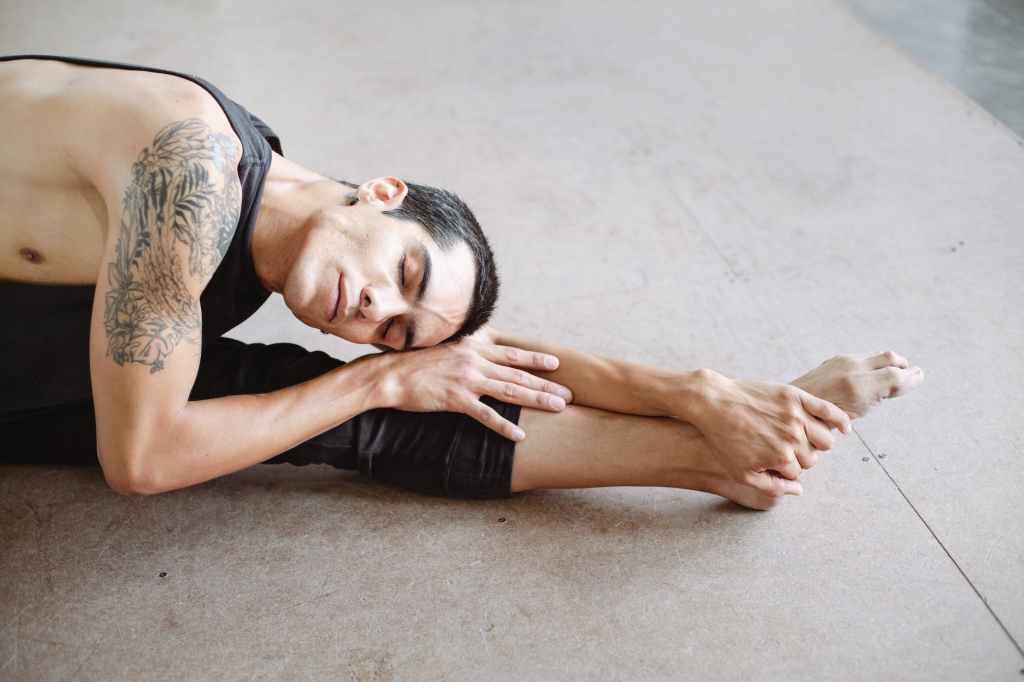
Young people’s mental health is one of the greatest challenges facing the NHS,” said Dr Daisy Fancourt, the UCL mental health expert running the trial. “Currently many young people referred to child and adolescent mental health services face long waits, during which time more than three-quarters experience a deterioration in their mental health.
“Social prescribing has the potential
Share this:

Writing and mental health

12 Ideas for Writing Through the Pandemic With The New York Times

Getting poetry on prescription

https://www.nytimes.com/2021/04/12/well/mind/national-poetry-month-coronavirus.html
One person who has long valued poetry as both a personal and professional aid is Dr. Norman Rosenthal, a psychiatrist in Rockville, Md., who pioneered the use of light therapy for seasonal affective disorder. A clinical professor of psychiatry at Georgetown Medical School, Dr. Rosenthal said he has used poems as a therapeutic assistant, ..
Click the link to read the article
Continue reading “Getting poetry on prescription”Share this:

Can you really cure chronic pain without taking pills? | Weekend | The Times


Is grief fear?

No-one ever told me grief was fear
Or did they speak but I refused to hear?
Like cancer, blindness, suicide and hat
e The words describe the folk of foreign states. Vigilant and wary as we weep
We feel the loss of God and then our sleep
The world no longer has a solid floor
The foot is hesitant, the head is more.
The rudeness of old friends can hurt like knives
They rush to tell you, you are no-one’s wife.
Though we know we must meet God alone
The status of our soul is overthrown.
And yet we see new visions and new ways
Lying with the worms , as beetles gaze
Share this:

Adrenaline rush: Symptoms, causes, and meaning


Now viruses are emigrating
After brexit some people thought there will be no more immigrants
But then we got a lot of immigrants in 2020 in the form of the covid-19 virus. This virus is very cunning. It needs no passport no visa. They don’t need transport nor housing.
You can’t see them or hear them and if you’re unlucky one of them might infect you or your family.
They may come from Europe or they may come from the Far East
Wouldn’t you be glad it was just people who where immigrants?
Without these immigrants we will be very short of doctors and nurses and care workers in general.
Share this:
The Sick Rose by William Blake | Poetry Foundation
https://www.poetryfoundation.org/poems/43682/the-sick-rose
The Sick Rose
O Rose thou art sick.
The invisible worm,
That flies in the night
In the howling storm:
Has found out thy bed
Of crimson joy:
And his dark secret love
Does thy life destroy.
More About this Poem
- Related
The Sick Rose
O Rose thou art sick.
The invisible worm,
That flies in the night
In the howling storm:
Has found out thy bed
Of crimson joy:
And his dark secret love
Does thy life destroy.
More About this Poem
- Related
Share this:
the Humber ferry

Why You Should Stop Being So Hard on Yourself – The New York Times
https://www.nytimes.com/2018/05/22/smarter-living/why-you-should-stop-being-so-hard-on-yourself.html

D
For one, blame evolution.
“Our brains equip us with a mechanism to monitor our mind and our behavior,” Dr. Davidson said, so that when we make errors, we are able to notice the mistake. “In order to recover, we first must notice that a mistake has occurred,” he said.
Just noticing that we’ve deviated from our expectations or goals — whether that’s eating too much or not completing a daily to-do list — isn’t necessarily the same thing as degrading ourselves into a shame spiral. In some cases, like when our safety or moral integrity are on the line, it’s crucial that our brains tell us good from bad so that we learn the right lessons from our experiences.
But sometimes, assigning negative value to our experiences and behaviors can “ensnare” us, Dr. Davidson said, into cycles of unhelpful rumination — like when you lie in bed at night needlessly replaying an awkward interaction or repeatedly revisiting that minor