
Autumn


I painted this picture in my art class and then I put it on the computer and I think I have done something to the colours so that the moment which is at the front looks really really like one that we bought a few years ago. Please don’t copy my photograph. my husband has still got a very hot temper

https://en.wikipedia.org/wiki/Shattered_assumptions_theory

The final fundamental assumption evaluates one’s self as a positive, moral, and decent–and thus deserving of good outcomes in life. Individuals’ assessment of their self-worth contributes to their success in life.[3] A person’s positive self-worth encourages them to be effective in their tasks at hand. Generally, this assumption enables an individual to maintain a belief that s/he has the ability to control positive or negative outcomes.
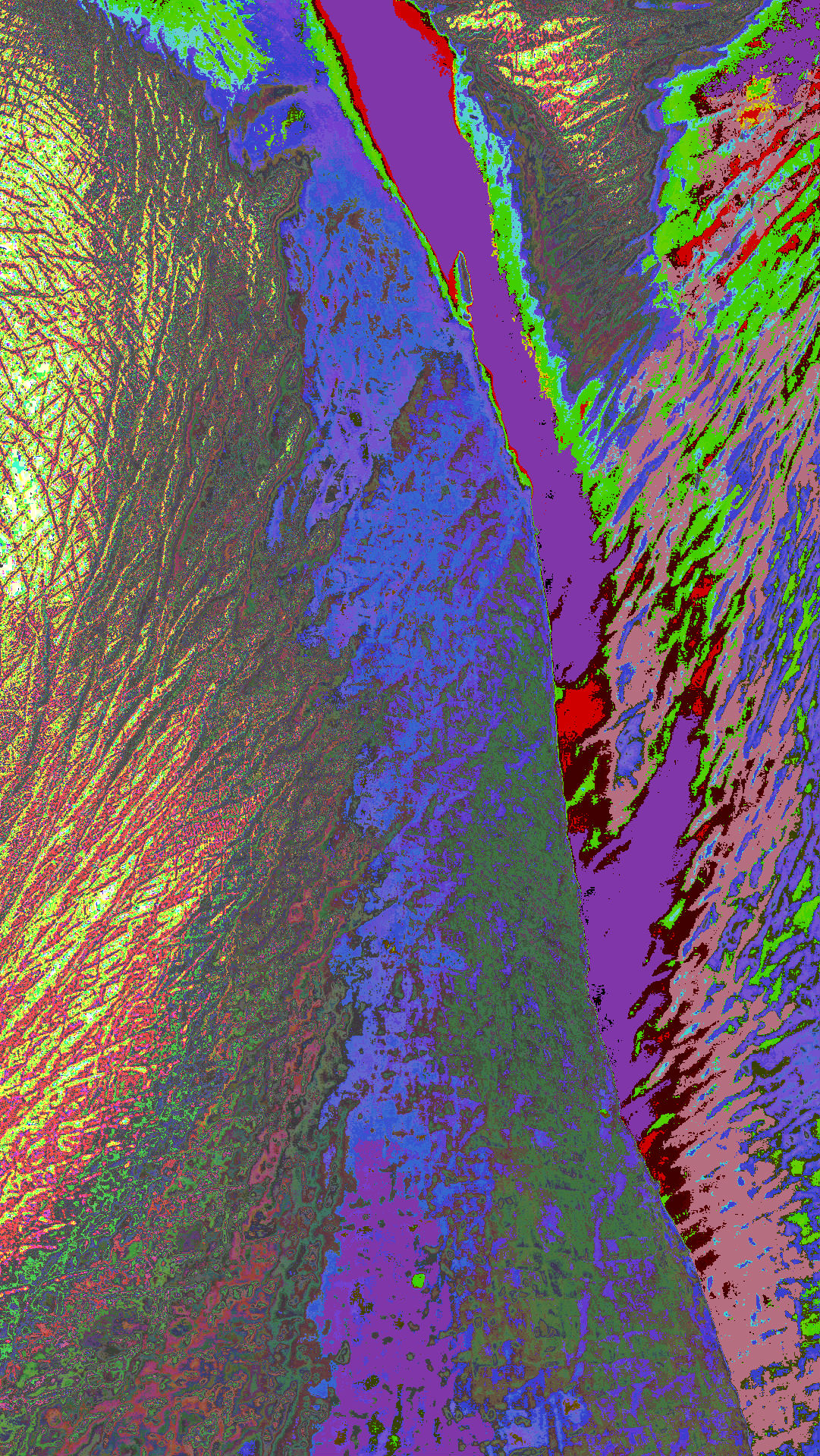
Mary came in with a bag of shopping and went into her bijou turquoise and teal kitchen with magenta door knobs; she decided to make herself a cup of tea before opening up the shopping bag.
As she put the kettle on ,she saw her door neighbour Annie in her garden bending over Emile. Mary’s cat. Mary opened the back door and called,
What’s wrong with the cat?
Annie looks backwards over her red velvet coat towards the house which was rather foolish as her centre of gravity was unstable and she fell over onto the wet lawn. Mary ran out and helped Annie to get up; meanwhile , the cat Emile had run back into the house
Well, I never knew Emile was pretending to be unconscious .I thought that he might be dead. I realise I’m too old to bend over a dead cat and simultaneously talk to someone who is inside the house as it is a more complicated manoeuvre than anything that we do in the yoga class.
I’m terribly sorry I said Mary.I wasn’t thinking
That makes a change, shared Annie, because you think too much;I see that you have a book here called, what is thinking by Martin Heidegger.
I haven’t read it, said Mary,in fact I don’t believe I ever will read it because he was somewhat of a supporter of the Nazis and also seduced a student call Hannah Arendt who as it happens was Jewish ,so he obviously was rather mixed up in his mind about Jews in a bad and wicked way and also I don’t want to think about what thinking is, if you see what I mean .Do you get words coming into your mind?
I don’t think so. they only come into my mind when I’m talking to somebody. I just open my mouth and the words come. I thought it was the same for everybody but clearly it’s not.
Do you ever hear voices she asked Mary.
Yes ,I heard a voice and it said, go to the doctor immediately.
And did you go? asked Annie petulantly.
Yes, I did and he took some blood from me which he finds quite difficult. Anyway, he’d sent it for testing I think you know he found my thyroid was so underactive that I would have been in a coma in another couple of weeks, so I think that the voice was a good one.I don’t know who it was but it was not frightening at all Goodness me, said Annie. I have never heard of people hearing kind voices. I wonder if some people have a positive type of Paranoia and believe at the entire world is a conspiracy designed for their pleasure and amusement.
I expect there are some people like that , Mary,cried , but they probably think we’re all the same so they don’t tell us.
It might be very interesting if we had a gathering of women who were all prepared to reveal something strange about themselves; I’m not referring to the part of the body, I am referring to something in their mind or something that happened to them in their mind, if you see what I mean..
Yes certainly that will be very interesting see you but not for me because nothing strange like that has ever happened to me
How do you know, said Mary. it might not seem strange to you but it might seem a surprise to me. It would seem strange to me if you told me that you enjoyed Euclidean geometry or learning Russian.
Mary made tea in the big teapot and they went into the lounge and sat down on the couch which was covered in orange velvet fabric
My goodness ,said Anna, I don’t think I like this orange velvet.What a shame, whispered Mary. I can’t afford to have it recovered again for 45 years.
In 45 years we wouldn’t be here Annie pointed out in her timely manner.
I wouldn’t know—– the second Ice Age might come and we could be frozen into these seats for the next hundred years and we will then turn into fossilised bones I suppose and people might write doctoral theses about us. Wouldn’t that be wonderful?
Not really said Mary, because we wouldn’t know anything about it.We would be dead.
Wel,l think about the poet Gerald Manley Hopkins. No work of his was published while he was alive and it was only by chance that a famous literary person Robert Bridges in England, he was friendly with him, and had copies of his poetry This is why it was eventually published. He is one of the best poets who ever wrote in English.
I found him very difficult to read, Annie said cautiously. it’s those slant and half rhymes and the rather strange musical quality of his work which can be quite beguiling; on the other hand, it is sometimes over top to my brain. I prefer John Betjeman.
Really, said Mary , that is absolutely ridiculous; you cannot compare two poets who are so completely different that they could be writing for you in different languages altogether.
It will make more sense to compare him with T S Eliot or W B Yeats the Irish poet. but no , for comparison is odious and so he must under fall or rise on his own merits.
Personally, I like the poem which begins ” as kingfishers catch fire”
That’s a metaphor, kingfishers don’t normally catch fire…. Mary hinted
Yes, I know I did a course in modern poetry at the Polytechnic it was either that or yoga and I am sick of doing yoga.
Alright don’t lose your temper, unless you want to go to a course about anger management which is on in the hospital on Monday afternoon’s between 5 and 6.
That’s a stupid time because it’s men who tend to be more angry and most of them will still be at work.Do you think that the boss would let them come out of work early to resume to a class at the hospital without telling them what the class was called
That’s a difficult question to answer because such a man being very impulsive and prone to anger somewhat like Donald Trump l if he refused to let him go to the class he would hit the manager and lose his job and then he would apply for compensation on the grounds that he wouldn’t have hit the manager and lost his job. if the manager had allowed him to go to anger management class on a Monday afternoon at the hospital; if you don’t know, it gets a bit convoluted sometimes, doesn’t it?
Do you know I did an IQ test and it says that I am in the lowest 5% of the entire population; don’t you think that’s wonderful I don’t know how I did it?
You must do it again to see if it was correct it would be frightening if you repeated it and you came out in the top 5% because that would mean either you’ve got schizophrenia or that the concept of the IQ is totally meaningless.
IQ is meant to measure something which is independent of Culture or social class yet if you tests of verbal intelligence it is using words such as a fire, conservatory, sitting room, Harrow,Oxford, Wittgenstein, chambermaid, Maps, physics .water planet, ambivalent, pentagon crisis, Conservative Party, Europe and bulldoze, and you must admit that those are class related words.
it also uses expression ;like Barclaycard, Marks and Spencer’s credit card , Visa card and PayPal; these are unlikely to be known by the poorer members of society when they are still children, When they reach the age of 16 they will be offered credit cards by unnameable banks which put letters through the door trying to whip up some custom but if you are living on benefits it would not seem very wise to accept the offer
With Barclaycard myou have to pay by direct debit and I don’t think the social security office pays out by direct debit to anybody even those going to get benefits from them don’t get it by direct debit from the government
.l say that’s quite funny ;why doesn’t the government pay our pensions by direct debit?
No direct debit is only used to take money off you, like for example, charities like you to pay by direct debit so does the British Gas Company ,and BT telephones they say that it stops you worrying about whether you have paid the bill or not but my brother found that he was £2,000 in credit with the electricity company and they were still taking more money from the account by direct debit because he is very rich and he never looks at bank statements or very rarely looks at the bank statement and so he did not notice.
That’s rather puzzling to me as I look at the bills to see you when I am in credit or debit but then as my brother said, I am quite poor financially although I am very rich another ways
What are the other ways?
I’d rather not say at the moment.
Nor would any of us!

Gone with the sinned
How dreamed was my valley?
Wander, the greenwoods free
Come live with me and find my glove.
Round yonder themed palais
On Richmond’s pill and other matters
Oliver Missed again
King Seer.See here.
Joan’s Ark kit
Badbreath
Jamset
A midsummer night’s reverie
The golden throat look.
How to find your F spot.
How to curse in verse
Where is the great O?
The book of sewed
Heidegger on blindness
In denial? Freud on Trial.Buy one get ten free.
Try Ram’s Horns on

O
about computing.
Barefoot Computing – Developed by practising teachers through Computing at School and managed by BT, Barefoot exists to boost teachers’ subject knowledge, save time and help bring computational thinking to life in cross-curricular lessons.
Big Ideas – Find projects and resources designed to bring communities and countries together. Fun, educational resources for independent home learning, focusing on STEM, citizenship and Holocaust remembrance.
blutick – Watch videos, view worked examples and try problems to improve your maths confidence and understanding.
Centenary News – A range of news about the First World War centenary.
codeSpark – A computer science resource that combines learning with creative play and community.
Dekko Comics – Educational comic stories providing an entertaining alternative to conventional
the art of poetry isn’t hard to master
make the syntax good and entertaining
the gruesome heart of poetry brings disaster
a meter errant makes the lines come faster
an oxford thesaurus gets the listeners waning
the art of poetry isn’t hard to master.
a genius woke and saw a verse rush past her
it only needed polishing and planing
the gruesome heart of poetry brings disaster
she left the oven on,it gassed her
ever since her folk groan, paining
the art of poetry isn’t hard to master.
she saw her selves as coloured shapes in plaster
and round her mind, were ghosts all craning
the gruesome heart of poetry brings disaster
there’s not a lot of hope if we’re complaining
for criticism from hidden ghosts is draining
the art of poetry isn’t hard to master
the gruesome heart of poetry brings disaster
I wish we were in Alston steep and fine
The Pennines all around, the lakes nearby.
We walked the Pennine way in our own time.
Your heart was in the hills, to teesdale chained.
You didn’t like the urban sprawl, the blight
I wish we were in Alston now and then
The time has passed we find our memories fade.
I miss you,miss you, miss you, I can’t lie
I wish that we were near high force, that air.
And our;United Kingdom’s in decay.
We saw an eagle but it did not fly
0h every breath we took was like a prayer.
I find it hard to walk without a crutch
I can see but I can’t feel your touch
You would hardly know me now I sigh
I wish you were in Alston by my side.
The dreams, the symbols memories combine.
This is how you’re with me for all time
I am very proud because I’ve tried

I left a pan of curry on the stove
Hot as ash combined with burning coal
Yet when I went back in a cat stood there
Eating this strong curry with no care.
It must have had thick skin inside its mouth
Before I looked ,it ran out of the house
To think it gobbled up our supper so
Leaving me with nothing but a glow
So then I made a chilli beef and beans
My heart ached as I listened to puss scream
Can cats learn that pans are out of bounds?
I’d hate to hear again its anguished sounds
Be sure to close the kitchen door or else
You too will suffer torment from cats’ yells
How do you treat stage 4 lung cancer?
By surgery to remove the lungs
And how do you treat brain cancer?
Isn’t it obvious? Remove the brain.
What about your heart?
I took my mine out a long time ago.
You didn’t have it done on the NHS then ?
No but I paid myself £10,000 afterwards
Now, let’s do the circulation of the blood.
Which person discovered that the blood circulated around the entire body.
I didn’t even know that anyone had discovered that.
Going back to oncology what about skin cancer?
I thought this was a general oral examination not a specialist one for people studying oncology
Alright what makes your pulse go too low?
Boredom I think.
So what is the cure for that?
Being a medical student
There’s no need to go on. You have failed completely.
Thank you very much sir or madam. I only came here to bring these pens then I thought I would just try to do the exam in case I could become a doctor straight away without doing any training.
They say the people who know the least about a subject are the ones who are more likely to believe they know a great deal about it.
So the more learned you get the more humble you get
Then heaven might be full of scholars but also of people who are highly skilled in other ways such as artists.
. I won’t say they will get on like a house on fire because that might more like hell than heaven.
And what is heaven but a metaphor?
 http://www.griefincommon.com/blog/grievinginthesecondyearafteraloss/
”
But expectations are a big part of our mindset, even when we’re not in the stages of grief. How much more do we enjoy the movie or party that we thought was going to be terrible? How disappointed are we when a long planned vacation-of-a-lifetime turns out to be not all what we would have hoped?
If ever there was a time when we need to be setting realistic expectations for ourselves, then certainly our time of grieving is one of them.
Throw away the timelines.
Don’t compare yourself with those whom you know have had a loss. The coworker who was back to work smiling only a few days after her Dad died? She was crying every day on the way to and from work. The family member who thinks that 18 months after your husband died you should be dating again? She has no idea what this loss feels like, what your love felt like, or what is right for you.
Be patient with yourself. Be patient with those who don’t understand. Don’t expect today to be hard and tomorrow to be easy. Honor wherever you are right in this moment and know that even if it feels uncomfortable, unsettling and uneasy, that it’s probably exactly where you need to be.
Stay open to the idea of hope and optimism “
I wish I were in Hertfordshire again
The River Lea a small and sparkling stream.
As I sit here clutching my gel pen
Facing a blank page, oh paper clean
I think about our holidays and walks
Now I barely get across the room.
I miss you for your feelings and the thoughts.
Sitting on the riverbank relaxed
Where has gone my treasure once unsought?
All alone I sit here and reflect
Loving these quiet memories I have brought
Once your love was here but now it’s gone
You float away like water over stones.


The sluggish water has no wish to run
It wants to idly dawdle in the sun
The cows need water so much that they rage.
The fish swim on, they feel well disengaged
The river Lea springs high in Chiltern hills
Then runs seaward past old flour mills
The power of water stolen,put to use
As fruit is plundered for its flesh and juice


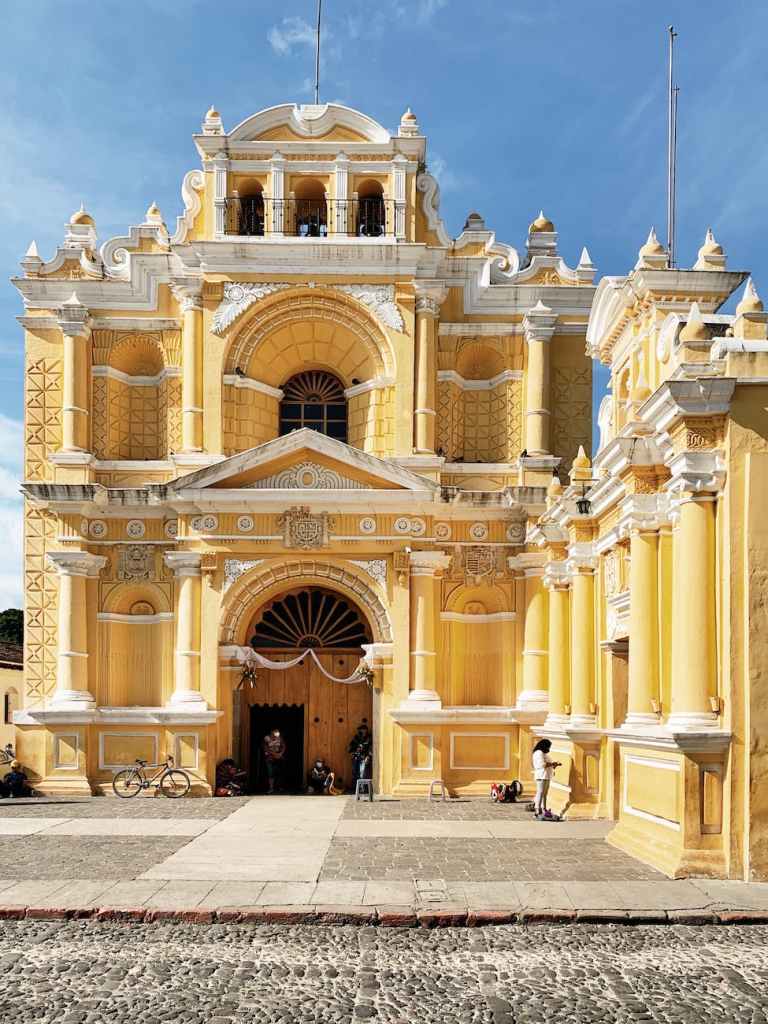
I like this photo which I took before the pandemic began and I was looking at it I realise that it will be a good photo to use if you want to practise your drawing. It’s not the people that time I phoned you it says the vicarage which is very old and the wall on either side which is also very old.
It’s more easy to draw buildings than people. You will learn about perspective when you draw buildings. It’s the geometry of the shape that matters for practising
If you were going to paint this it’ll be quite a different approach if you are a beginner it’s probably a good idea to use soft pencil and one water soluble pencil.
You could use one fine tip pencil and 1 broad one put some artists don’t like to use pencil because it can you just keep rubbing out at the bits that you don’t like and who you are going to be like that it’s better to use a gel pen which may be water-soluble also or it can be waterproof.
It will make you look at the building more and appreciate it more when you try to draw it. How do you know it’s an old buildings is it because you have seen similar buildings before?
You can spend quite a long time on this project and you will not regret it if you persist m

From The Times: December 17, 1921
Hoaxes sometimes have their uses in reducing certain states of mind to an absurdity. By playing on some common credulity they show how blind it is. One has just happened in America. A lecture by “an intimate friend and pupil of Freud” was given at Ithaca, New York State, to a packed and brilliant audience. The friend and pupil of Freud naturally discoursed on dreams. “A dreamer,” he said, “does know what he dreams, but he does not know what he knows and therefore believes what he does not know.” It is a very true account of some psychology, but the audience were not aware that the lecture was a parody. Indeed, it was such a success that the hoaxers were frightened and would have kept the joke to themselves, if it had not been revealed in picture postcards, both disguised and undisguised. And now, we may guess, they are not popular in Ithaca, especially as a large part of the faculty and undergraduates of Cornell University were hoaxed.

With willingness to cross fields deep in mud,
To struggle through the tangled wind bent wood.
Our soul within knows when there’s latent good;
Recalls old trees astonished into bud.
As flowers spring up to gently grace our toes
Encouragement is with much joy received;
And as we smell the fragrance of the rose,
At last we know our souls were not deceived.
For Virgil,fortune favours steadfast feet.
The journey may be long,the end is sweet.
D



We think times are hard now and even contemplate the cat food
If we don’t get essential government we might end up eating the cat.
We used to think that sausages were a cheap food. Soon the priest will be using them when he celebrates the Mass.
A full English breakfast will be 2 tablespoons full of corn flakes and 3 tbsp of milk with 4 oz of sugar
The toast. we didn’t have breakfast will comprise our lunch with the addition of 12 baked beans from Tesco’s own brand.
If you’re worried about the cat take it take him into the living room
When you have divided the baked beans between all the plates is there any left you could let the cat liquid tomato sauce off then wash them and put them back into the fridge to add to your egg and bacon on Sunday or if you have no eggs fried bread with half a bacon rasher and three or four beans will give you the illusion of a real breakfast.
You may have to talk to your cat seriously. This is a joke.
I’m sorry Tabby. You’ll have to know hunting tonight and if you catch chickens please share them with us.
I wonder will people take up shooting wood pigeons.
I’m sure some of the people you’ve come here from Eastern Europe will advise us. check the law before you become a hunter
Loneliness
Loneliness, the word’s not strong enough
For widows and their masculine counterparts.
Ripped in half, that’s more the phrase; like, tough.
No arms left now, that never will rebuff.
No eager lips which whispering love impart
Loneliness, the word’s not strong enough
People say, of course, the going’s rough
The coming’s gone and nothing shall gestate
Ripped in half, that’s more the phrase; like, tough.
Never more to share cartoons and laughs.
Never more to be a chosen mate
Loneliness, the word’s not wrong enough.
Did we know the heart of what we had?
Did we learn the art of love. of fate?
Ripped in half, that’s more the phrase; like, tough.
You have gone and closed now is the gate
In a Ball I dance with love and hate
Loneliness, the word’s not strong enough!
Ripped in half, that’s more the phrase; like, tough.
Do not leave us for your lonely grave
Do not leave us here when you are gone
Do not leave my heart in blood to bathe
We need your kindness your work is not done
Do not leave a sister all alone
Do not leave a brother empty sad.
You who share my skin and share my bones
Come back come back live not with the Dead
Here’s your daughter with her newborn babe
Here’s your eldest son oh mother mine
Live again live again oh stay
Do not leave us yet without a sign
The tears run down our faces but too late.
The human world’s not ours to navigate
My own heart is sad when I perceive
The pallor of your face the dead brown leaves
Ive already walked the paths of loss
Jesus Christ we have been double crossed
I’ll look after you when you need touch.
Not of money, but in kindness rich
I will help you through that open door
I’ll hold your hand as I have done before.
I used to take you out when you were small.
I pushed your pram to
grandad’s up the hill
Going home in darkness I felt fear.
Where has Daddy gone,my mother dear?
I hate that you have got the same disease.
I hated God whom I had like to please
Sadness grips my empty heart
Today.
Kneeling on the floor what can I say?
E
You are a weird person, the doctor said politely
First posted on July 29, 2019
Mary went to the hospital to see the rheumatologist.The entire hospital had been re-built and half the site wasnow full of so called “Executive Homes”
She and Annie took a cab as it was raining hard.Although Mary was wearing her new green raincoat, she did not like to get it wet.
Where did you buy your mac,Annie enquired jauntily?
Cotton Traders,Mary admitted nervously.It looked lighter than it is and Stan liked me in green
You already have two trenchoats and a nylon mac,Annie told her.
And Stan is no longer here
What’s it to you? you want me to give all my money to the poor?
Well, some of it,Annie responded anxiously.You need to pay your utilities.
My utilities!That sounds like something sexual that cannot be openly named,Mary cried
You are confusing it with urethra, Annie laughed
What is my ethra? whispered Mary
No, the urethra is a little tube for the bladder to empty itself through
Isn’t the human body amazing? Mary acknowledged using a cliche for better effect
Definitely, said Annie and I love wearing beautiful clothes like velvet
Where do we draw the line though, between looking good and giving money to the poor, tortured or victimised,Mary pondered
It is hard now because we can see what the rich have and we want it.Annie shouted calmly
Or in your case you can see all those philosophy books on Amazon and buy them with one click she continued.
Mary could see in her mind’s eye her living room piled high with books but if she were rich like Michael Frayn she could have a huge house full of shelves and desks.
Adam Phillips,’ room looked more full than Mary’s and he must want it like that as he is well off.
In the waiting room Mary looked at Wittgenstein’s biography by Ray Monk on her kindle while Annie read The Sun.
Soon Mary was called in
Hello, said Doctor Morse.How are you?
In the pink , she cried shyly.
I don’t understand that, he said in his kindly way
It’s an old English saying.It means I feel fine, but I don’t really that’s why I am here
He looked at her left hand. and said there was no cartilege between the the thumb and wrist.
Where has it gone,Mary asked but he remained silent
Then he said,I think steroid injections will help.Would you turn your chair round by 180 degrees so you can put your arm on my desk?
Mary turned round and felt a bit dizzy
It’s hard getting older isn’t it, the doctor said in a tone rather artificially kind like a bad actor on stage and afraid of forgetting his lines or whether he was in King Lear or a Comedy
Mary burst out laughing, to her surprise.
You are a weird person, the told her thoughtfully with his green eyes shining like the sun over Lake Windermere in October.
Well, we can’t all be exactly the same ,she told him logically
Then she had to turn her chair round again. despite her poor hands
Why don’t you have swivelling chairs ,she asked pointedly
They won’t give me enough money, they doctor said, even though I a Consultant and I have published lots of papers
Can’t you buy a second hand chair? Mary wondered
No, it has to pass Health and Safety,Dr Morse whispered cautiously
I see.Well don’t blame it all on the EU.
I love the EU, he told her.I hope Brexit evaporates
Me too she croaked sweetly
They sat in companionable silence for a few minutes until his next patient arrived
I will see you in September, he told her optimistically his smile making her giggle inside so her body shivered with suppressed laughter or terror.
Miaow, cried Emile from Mary’s designer handbag
What in Gd’s name is that, the doctor asked nervously
Don’t worry doctor.I forgot to leave Emile in the Waiting Room
Emile stuck out his head and smiled at Dr Morse
Good morning, he said graciously.Is Dave the paramedic here?
No, they are not here they have their own Ambulance Station down the road
Emile began to sob as he liked to get his own way by any means he could
Mary apologised as she shook hands with the doctor.
Thank you for helping me, she murmured.I feel better already
And so say all of
You are a weird person, the doctor said politely
First posted on July 29, 2019
Mary went to the hospital to see the rheumatologist.The entire hospital had been re-built and half the site wasnow full of so called “Executive Homes”
She and Annie took a cab as it was raining hard.Although Mary was wearing her new green raincoat, she did not like to get it wet.
Where did you buy your mac,Annie enquired jauntily?
Cotton Traders,Mary admitted nervously.It looked lighter than it is and Stan liked me in green
You already have two trenchoats and a nylon mac,Annie told her.
And Stan is no longer here
What’s it to you? you want me to give all my money to the poor?
Well, some of it,Annie responded anxiously.You need to pay your utilities.
My utilities!That sounds like something sexual that cannot be openly named,Mary cried
You are confusing it with urethra, Annie laughed
What is my ethra? whispered Mary
No, the urethra is a little tube for the bladder to empty itself through
Isn’t the human body amazing? Mary acknowledged using a cliche for better effect
Definitely, said Annie and I love wearing beautiful clothes like velvet
Where do we draw the line though, between looking good and giving money to the poor, tortured or victimised,Mary pondered
It is hard now because we can see what the rich have and we want it.Annie shouted calmly
Or in your case you can see all those philosophy books on Amazon and buy them with one click she continued.
Mary could see in her mind’s eye her living room piled high with books but if she were rich like Michael Frayn she could have a huge house full of shelves and desks.
Adam Phillips,’ room looked more full than Mary’s and he must want it like that as he is well off.
In the waiting room Mary looked at Wittgenstein’s biography by Ray Monk on her kindle while Annie read The Sun.
Soon Mary was called in
Hello, said Doctor Morse.How are you?
In the pink , she cried shyly.
I don’t understand that, he said in his kindly way
It’s an old English saying.It means I feel fine, but I don’t really that’s why I am here
He looked at her left hand. and said there was no cartilege between the the thumb and wrist.
Where has it gone,Mary asked but he remained silent
Then he said,I think steroid injections will help.Would you turn your chair round by 180 degrees so you can put your arm on my desk?
Mary turned round and felt a bit dizzy
It’s hard getting older isn’t it, the doctor said in a tone rather artificially kind like a bad actor on stage and afraid of forgetting his lines or whether he was in King Lear or a Comedy
Mary burst out laughing, to her surprise.
You are a weird person, the told her thoughtfully with his green eyes shining like the sun over Lake Windermere in October.
Well, we can’t all be exactly the same ,she told him logically
Then she had to turn her chair round again. despite her poor hands
Why don’t you have swivelling chairs ,she asked pointedly
They won’t give me enough money, they doctor said, even though I a Consultant and I have published lots of papers
Can’t you buy a second hand chair? Mary wondered
No, it has to pass Health and Safety,Dr Morse whispered cautiously
I see.Well don’t blame it all on the EU.
I love the EU, he told her.I hope Brexit evaporates
Me too she croaked sweetly
They sat in companionable silence for a few minutes until his next patient arrived
I will see you in September, he told her optimistically his smile making her giggle inside so her body shivered with suppressed laughter or terror.
Miaow, cried Emile from Mary’s designer handbag
What in Gd’s name is that, the doctor asked nervously
Don’t worry doctor.I forgot to leave Emile in the Waiting Room
Emile stuck out his head and smiled at Dr Morse
Good morning, he said graciously.Is Dave the paramedic here?
No, they are not here they have their own Ambulance Station down the road
Emile began to sob as he liked to get his own way by any means he could
Mary apologised as she shook hands with the doctor.
Thank you for helping me, she murmured.I feel better already
And so say all of
First posted on July 29, 2019
Mary went to the hospital to see the rheumatologist.The entire hospital had been re-built and half the site wasnow full of so called “Executive Homes”
She and Annie took a cab as it was raining hard.Although Mary was wearing her new green raincoat, she did not like to get it wet.
Where did you buy your mac,Annie enquired jauntily?
Cotton Traders,Mary admitted nervously.It looked lighter than it is and Stan liked me in green
You already have two trenchoats and a nylon mac,Annie told her.
And Stan is no longer here
What’s it to you? you want me to give all my money to the poor?
Well, some of it,Annie responded anxiously.You need to pay your utilities.

My utilities!That sounds like something sexual that cannot be openly named,Mary cried
You are confusing it with urethra, Annie laughed
What is my ethra? whispered Mary
No, the urethra is a little tube for the bladder to empty itself through
Isn’t the human body amazing? Mary acknowledged using a cliche for better effect
Definitely, said Annie and I love wearing beautiful clothes like velvet
Where do we draw the line though, between looking good and giving money to the poor, tortured or victimised,Mary pondered
It is hard now because we can see what the rich have and we want it.Annie shouted calmly
Or in your case you can see all those philosophy books on Amazon and buy them with one click she continued.
Mary could see in her mind’s eye her living room piled high with books but if she were rich like Michael Frayn she could have a huge house full of shelves and desks.
Adam Phillips,’ room looked more full than Mary’s and he must want it like that as he is well off.
In the waiting room Mary looked at Wittgenstein’s biography by Ray Monk on her kindle while Annie read The Sun.
Soon Mary was called in
Hello, said Doctor Morse.How are you?
In the pink , she cried shyly.
I don’t understand that, he said in his kindly way
It’s an old English saying.It means I feel fine, but I don’t really that’s why I am here
He looked at her left hand. and said there was no cartilege between the the thumb and wrist.
Where has it gone,Mary asked but he remained silent
Then he said,I think steroid injections will help.Would you turn your chair round by 180 degrees so you can put your arm on my desk?
Mary turned round and felt a bit dizzy
It’s hard getting older isn’t it, the doctor said in a tone rather artificially kind like a bad actor on stage and afraid of forgetting his lines or whether he was in King Lear or a Comedy
Mary burst out laughing, to her surprise.
You are a weird person, the told her thoughtfully with his green eyes shining like the sun over Lake Windermere in October.
Well, we can’t all be exactly the same ,she told him logically
Then she had to turn her chair round again. despite her poor hands
Why don’t you have swivelling chairs ,she asked pointedly
They won’t give me enough money, they doctor said, even though I a Consultant and I have published lots of papers
Can’t you buy a second hand chair? Mary wondered
No, it has to pass Health and Safety,Dr Morse whispered cautiously
I see.Well don’t blame it all on the EU.
I love the EU, he told her.I hope Brexit evaporates
Me too she croaked sweetly
They sat in companionable silence for a few minutes until his next patient arrived
I will see you in September, he told her optimistically his smile making her giggle inside so her body shivered with suppressed laughter or terror.
Miaow, cried Emile from Mary’s designer handbag
What in Gd’s name is that, the doctor asked nervously
Don’t worry doctor.I forgot to leave Emile in the Waiting Room
Emile stuck out his head and smiled at Dr Morse
Good morning, he said graciously.Is Dave the paramedic here?
No, they are not here they have their own Ambulance Station down the road
Emile began to sob as he liked to get his own way by any means he could
Mary apologised as she shook hands with the doctor.
Thank you for helping me, she murmured.I feel better already
And so say all of