I went into a coffee shop and the waitress said,
Are you still here?
I looked round all the tables and I couldn’t see myself
So I said,No!
I went to a hairdresser and asked for a cut and blow dry
She said, what do you want me to do?
Buy some scissors,I replied
I went to the Bank and a man in the queue said to me are you married
I said, why are you asking?
He said,I lost my wife in Marks and Spencers so I am looking for another
How long since you lost her?
Over an hour!
I went to the bus stop but it didn’t
I wanted a red pepper but they only had black
The pieces are so small I can’t understand how they pick them
My fence blew away and I thought:
I bet Trump wants it.So I am building a dry stone wall.
I have got the stones so I put them in the oven to dry
iF anyone climbs on this they will get burned
.
Non verbal communicarion is good at dinner parties
Pull faces, stick your tongue out and wriggle your ears
Then they won’t mind when you leave
They might even pay for a cab
Eye contact is hard when you wear spectacles
Who ever heard of eyeballs kissing?
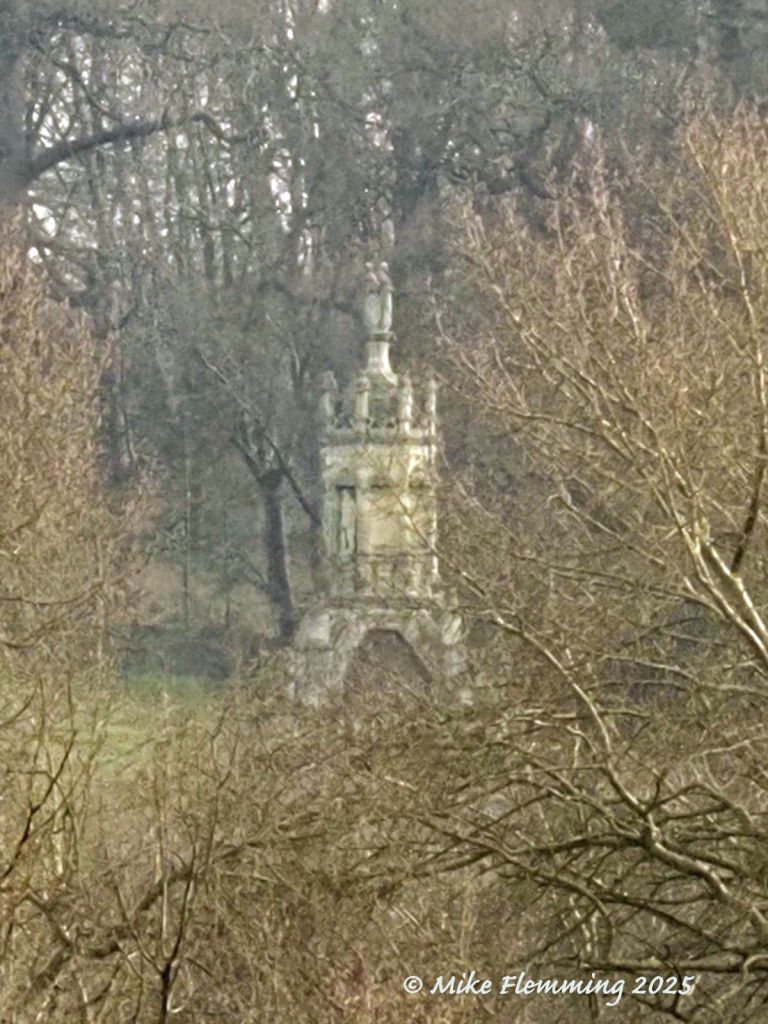
Flowers are not hostile. This is an old photograph of mine which I like very much
Anger is an emotion which is necessary to feel sometimes with hostility implies you what a very negative attitude towards other people. At least some other people maybe not everybody.
You may be afraid of them, you may hate them and vice versa
But hostility is very bad for you. Not to mention the people that you focus your hostility onto.
It’s the biggest risk factor for bad health worse than a bad diet or lack of exercise. And it does not make for happiness even if you try to limit it
I’m not sure life has a meaning, in the abstract. But it can have a definite purpose if you decide so – and the carrying through, the effort to realise the purpose, makes the meaning for you.
It’s like alchemy. The alchemists were on a futile quest, we think. There wasn’t a philosopher’s stone, and they couldn’t make gold. But after many years of patience exercised, the alchemist saw he had developed tenacity, vision, patience, hope, precision – a range of subtle virtues. He had the spiritual gold, and he understood his life in the light of it. Meaning had emerged.
I am going shopping today,Mary informed Stan.I have decided to buy a corset.I am too fat.
I hope it’s not a whalebone corset,Stan teased her. gently
Are they still allowed to use the bones of whales? she asked.One whale must have massive bones.Why not use dog’s bones?
Well,Stan said,you may be plump but don’t torture yourself for beauty.I love you as you are,sweetheart.
Mary got onto her bicycle and rode into town passing some lovely magnolias and forsythia.She locked her bike to the church gate as sinners cannot be trusted especially just after Confession.
Hello,I’m looking for a whalebone corset,she informed the lady in the lingerie department.
What!We don’t have them any more.They ran out of baleen which is horny material in a whale’s mouth.
Was it their teeth ,asked Mary tremulously.
Eeh,I don’t know said the assistant.Anyway,now we have shapewear.It looks like underwear but it’s elasticated.So it keeps your curves in like those minimiser bras
Mary burst out laughing as she imagined wearing an elasticated vest which would push all her fat up round her neck or down onto her bum .Or an elasticated pair of knickers which push the fat upwards. onto her abdomen.And furthermore,how easy would it be to get them down in the bathroom? Worse still,if Stan took her to a restaurant and she could not pull them down for a wee…should she take some scissors?
Mary stopped laughing when she saw all the staff staring at her,
Are you alright,madam? one asked rather ferociously.
Yes, it’s my dwindling hormones.They make me laugh hysterically from time to time.It’s better than getting those hot flushes,in my view.
Why not have HRT? the lady replied.
Excuse me,said Mary,but I do not wish to discuss my health matters in public but thank you for your concern.She was rather pleased with that having just read
“A woman’s guide to compassionate self assertion.”
Although she did wonder why it was addressed only to women.Emile agreed when she discussed over milk and cat niblets which Mary had to eat when she ran out of food.
As Mary stood in the Shapewear department she remembered the time she tried on some denim jeggings as they seemed to be in fashion.They looked very nice but she had such a hard time getting them off she thought she would have to buy them and cut them off at home.
So all of a sudden she picked up her Mondrian pvc shopping bag and her green handbag and ran out of the door into the button and wool department.
My,you look hot, her friend Gail said.I am buying some merino wool for neckwarmers.Do you ever knit nowadays,Mary?
Only with whales bones,she murmured.And it’s so hard to find them now.
Well, whales must still have bones,dear,otherwise they would collapse.
Surely you don’t expect me to catch my own whale.Mary cried in fear having seena film on this topic.
And how about Jonah?Suppose I find a prophet inside the whale?
That could be just who we need,Gail said.Someone who can tell us what God wants us to do.
Would people listen,Mary asked Gail tremulously
Only if he went on Twitter I suppose.
Could Donald Crump be a prophet? Mary muttered
No,he’s too big for a whale to swallow even if the common people swallow his nonsense.He sounds as if he’d like to treat women the way they do in some countries like Saudi Arabia.40 lashes for taking the morning after pill.
It could be hard to have,”the night before” in a place like that.
The two women gazed blankly in front of them trying to remember their youth and their mad love affairs.
Let’s go into the Cricketer’s Arms and have a drink Gail said.
I’d rather have coffee,Mary replied.So off they went arm in arm humming
“I believe in angels “very loudly to frighten off any evil spirits from the lingerie department.We know the Devil loves bras and suspender belts with lace trimmings as he is ,in fact ,the god Pan who was a goatherd with a horn on which he played his music to tempt the weak;some even say he was half goat half human but we never did that in the maths department.
We only studied shapes and forms and symmetry.Well,I know it sounds suggestive but we only dealt with it in an abstracted manner.That’s why you see mathematicians with all sorts of undies hanging off them as it’s the geometry they need to learn and how better than on a field trip to a department store. Anthropologists go to Samoa and mathematicians go to Sex and Undie shops.They have no choice.They need to see those conical bras.Conic sections!My eye!
On Monday morning Stan had to go to the shops in the centre of town to buy some special easy threading needles for his visually-other wife Mary.Somehow,most puzzlingly,she had lost all of the eight packs hhad bought for her in the last year.He had suggested letting his mistress next door do the hemming and stitching.But Mary was determined even though sometimes she took 14 minutes just to thread a needle.But she was very patient.One might almost say she was saintly but he did not want her to get conceited so he kept his thoughts to himself.Now what will I wear.Stan thought over-anxiously..He had OCD now and then.
People no longer dress up to go down town instead they dress down to go up to the town,in a very real sense.
The art of living is to choose the most simple solution to any problem and Stan recalled he only had some navy trousers,some white and a few colored shirts and one light teal colored jacket.
He chose a coral colored shirt and looked in the mirror..
I look wonderful, he thought very humbly.
Why has God kept me so youthful?
Surely not so I can seduce more women?
We know God may be merciful to scissors,or is it sinners?Well,let’s just say God can be merciful but for some reason,we never know till it’s too late whether it’s to us.
More haste,less speed,he conjectured.
Or is it, More paste,guests feed?
He stood in the hall combing his hair with a tortoiseshell comb and brushing it with a large nail brush
He looked again at his image.
His amber eyes glowed like neon lights on the main road to Knittingham in winter.
His dark hair looked very full for his age.
His teal jacket had been well pressed by the dry cleaner, Weissmann#s.
And his coral shirt was new as Mary had been out buying him more clothes lately.She had grown tired of seeing him in one solid color,especially grey or brown.
His navy trousers were a bit old but quite alright for Knittingham.
As he gazed into the mirror he began to feel odd.Then he saw Emile
who was standing on the chest of drawers behind him performing a dance.. solo!
Why are you dancing,Emile? Stan asked politely.
I am amused by seeing you gazing into the mirror for so long,
If you don’t hurry it will be lunchtime before you get to the Needle Shop.
Alright,growled Stan hoarsely.At least I don’t wear make up! Now there’s a thought…maybe I’d look better…what shade of foundation would suit me?Would I need lip balm and perfume?
Hurry up,said Emile unkindly.More taste less greed.
What does that mean?asked Stan.
If you taste the food and eat slowly you will enjoy it more and thus need less.
Very clever,Emile.Shall I buy you some cough sweets in the pet shop.
No,I want some codeine linctus,Emile answered.
I want to go high,high.
I want to reach the sky.
what will I do when my love is away
Will I be happy on my own?
Lend me your ear and I’ll sing you a song
I’ll try not to sing out of tune!
My God,Emile.Whatever has happened to you?
I blame the old chalk and opium medicine someone spilled on my breakfast.
Well,go and lie down but drink some milk first.At last Stan got out…it had taken him two hours to get ready
At the bus stop there stood Anne their neighbour.
Hi,Stan,where are you going.
I’m buying sewing needles for Mary.
I can lend her some,she shrieked.
Well,she has to use special ones nowadays.
Oh,so she does.I forget as she looks normal but is in fact suffering constant trouble since her Vitreous-vasectomy.. or was it hysterectomy or vivacity?.
Well,never mind.You know she’s not normal.
Who is normal?
Let’s just assume we will recognize it when we see it,he whispered warningly.
This bus is very late.I wish there was a proper seat here..my knees hurt.
I hate this plastic seat.Why has the wooden one gone?
Apparently the council are afraid of homeless people sleeping on them.
Well,everybody is at risk of homelessness with this economic crisis,
Anne shouted in a fury.
No,beggars can’t be losers,he responded.
Very true,she replied, As they have nothing so they can’t lose it.The more you have,the more you fear losing it.
This bus is very,very late,I wish I had a horse or is it an horse?
A goat would be o.k.Speed bonny goat like a word someone flung..
Over the page to Fly.Anne burst out laughing so her face was as red as her coat from Artigiano.Her blue tights were a perfect contrast and also matched her lipstick uncannily.Where she bought it was a mystery.
At last the bus came.They got on board and the driver called out,
You both look very merry!
Too many looks create more wrath,Stan replied warningly.
Well, why dress up if you want no attention.the driver gloated.
Hello,darling, he said to Anne,Are you free tonight,babe?
Why? she murmured.
I have two tickets for the Rolling Stones and no woman to take! he replied boastfully.
Now,if it were the Rolling Bones,I might be interested.
Your wish is my command he muttered,
I have my smart phone here,I’ll see what’s one elsewhere.
He kept trying but the virtual keyboard was playing up again.
Eventually the passengers got annoyed and asked him to start the bus.
As I’m half an hour late,I should be coming back now so I’ll do a U turn and go back
But we want to go into town,every one howled.
There’s many a blue word spoken as a jest,sang the driver.
Stan said,Please open the door,we shall dismount here.
Crikey,you don’t half talk posh,said the ,driver.
He leaned over and gave Anne a French kiss.
Now look here,Stan said,leave her alone.She’s my mistress.
Cor blimey said the driver,who are you,King Henry the Eighth?
I say,Stan,I can see Mary.It must be tea time.
Stan ran into the house and put the kettle on..then he made a pot of tea.
Hello! said Mary. Did you get my needles,Stan?
I’m so sorry,Mary.I ‘ve had such a busy day,I never got into the town.
And where is my supper.
In the womb of time
I see,it’s chick pea dahl and brown rice again or egg on toast. But I’m not complaining.Keeping house is a big job.I know it only to well.
So they sat with Anne and Emile,who even had his own cup and saucer now.They were weary and soon ,despite the tea, they were all fast asleep.
On Monday morning Stan had to go to the shops in the centre of town to buy some special easy threading needles for his visually-other wife Mary.Somehow,most puzzlingly,she had lost all of the eight packs hhad bought for her in the last year.He had suggested letting his mistress next door do the hemming and stitching.But Mary was determined even though sometimes she took 14 minutes just to thread a needle.But she was very patient.One might almost say she was saintly but he did not want her to get conceited so he kept his thoughts to himself.Now what will I wear.Stan thought over-anxiously..He had OCD now and then.
People no longer dress up to go down town instead they dress down to go up to the town,in a very real sense.
The art of living is to choose the most simple solution to any problem and Stan recalled he only had some navy trousers,some white and a few colored shirts and one light teal colored jacket.
He chose a coral colored shirt and looked in the mirror..
I look wonderful, he thought very humbly.
Why has God kept me so youthful?
Surely not so I can seduce more women?
We know God may be merciful to scissors,or is it sinners?Well,let’s just say God can be merciful but for some reason,we never know till it’s too late whether it’s to us.
More haste,less speed,he conjectured.
Or is it, More paste,guests feed?
He stood in the hall combing his hair with a tortoiseshell comb and brushing it with a large nail brush
He looked again at his image.
His amber eyes glowed like neon lights on the main road to Knittingham in winter.
His dark hair looked very full for his age.
His teal jacket had been well pressed by the dry cleaner, Weissmann#s.
And his coral shirt was new as Mary had been out buying him more clothes lately.She had grown tired of seeing him in one solid color,especially grey or brown.
His navy trousers were a bit old but quite alright for Knittingham.
As he gazed into the mirror he began to feel odd.Then he saw Emile
who was standing on the chest of drawers behind him performing a dance.. solo!
Why are you dancing,Emile? Stan asked politely.
I am amused by seeing you gazing into the mirror for so long,
If you don’t hurry it will be lunchtime before you get to the Needle Shop.
Alright,growled Stan hoarsely.At least I don’t wear make up! Now there’s a thought…maybe I’d look better…what shade of foundation would suit me?Would I need lip balm and perfume?
Hurry up,said Emile unkindly.More taste less greed.
What does that mean?asked Stan.
If you taste the food and eat slowly you will enjoy it more and thus need less.
Very clever,Emile.Shall I buy you some cough sweets in the pet shop.
No,I want some codeine linctus,Emile answered.
I want to go high,high.
I want to reach the sky.
what will I do when my love is away
Will I be happy on my own?
Lend me your ear and I’ll sing you a song
I’ll try not to sing out of tune!
My God,Emile.Whatever has happened to you?
I blame the old chalk and opium medicine someone spilled on my breakfast.
Well,go and lie down but drink some milk first.At last Stan got out…it had taken him two hours to get ready
At the bus stop there stood Anne their neighbour.
Hi,Stan,where are you going.
I’m buying sewing needles for Mary.
I can lend her some,she shrieked.
Well,she has to use special ones nowadays.
Oh,so she does.I forget as she looks normal but is in fact suffering constant trouble since her Vitreous-vasectomy.. or was it hysterectomy or vivacity?.
Well,never mind.You know she’s not normal.
Who is normal?
Let’s just assume we will recognize it when we see it,he whispered warningly.
This bus is very late.I wish there was a proper seat here..my knees hurt.
I hate this plastic seat.Why has the wooden one gone?
Apparently the council are afraid of homeless people sleeping on them.
Well,everybody is at risk of homelessness with this economic crisis,
Anne shouted in a fury.
No,beggars can’t be losers,he responded.
Very true,she replied, As they have nothing so they can’t lose it.The more you have,the more you fear losing it.
This bus is very,very late,I wish I had a horse or is it an horse?
A goat would be o.k.Speed bonny goat like a word someone flung..
Over the page to Fly.Anne burst out laughing so her face was as red as her coat from Artigiano.Her blue tights were a perfect contrast and also matched her lipstick uncannily.Where she bought it was a mystery.
At last the bus came.They got on board and the driver called out,
You both look very merry!
Too many looks create more wrath,Stan replied warningly.
Well, why dress up if you want no attention.the driver gloated.
Hello,darling, he said to Anne,Are you free tonight,babe?
Why? she murmured.
I have two tickets for the Rolling Stones and no woman to take! he replied boastfully.
Now,if it were the Rolling Bones,I might be interested.
Your wish is my command he muttered,
I have my smart phone here,I’ll see what’s one elsewhere.
He kept trying but the virtual keyboard was playing up again.
Eventually the passengers got annoyed and asked him to start the bus.
As I’m half an hour late,I should be coming back now so I’ll do a U turn and go back
But we want to go into town,every one howled.
There’s many a blue word spoken as a jest,sang the driver.
Stan said,Please open the door,we shall dismount here.
Crikey,you don’t half talk posh,said the ,driver.
He leaned over and gave Anne a French kiss.
Now look here,Stan said,leave her alone.She’s my mistress.
Cor blimey said the driver,who are you,King Henry the Eighth?
I say,Stan,I can see Mary.It must be tea time.
Stan ran into the house and put the kettle on..then he made a pot of tea.
Hello! said Mary. Did you get my needles,Stan?
I’m so sorry,Mary.I ‘ve had such a busy day,I never got into the town.
And where is my supper.
In the womb of time
I see,it’s chick pea dahl and brown rice again or egg on toast. But I’m not complaining.Keeping house is a big job.I know it only to well.
So they sat with Anne and Emile,who even had his own cup and saucer now.They were weary and soon ,despite the tea, they were all fast asleep.
On Monday morning Stan had to go to the shops in the centre of town to buy some special easy threading needles for his visually-other wife Mary.Somehow,most puzzlingly,she had lost all of the eight packs hhad bought for her in the last year.He had suggested letting his mistress next door do the hemming and stitching.But Mary was determined even though sometimes she took 14 minutes just to thread a needle.But she was very patient.One might almost say she was saintly but he did not want her to get conceited so he kept his thoughts to himself.Now what will I wear.Stan thought over-anxiously..He had OCD now and then.
People no longer dress up to go down town instead they dress down to go up to the town,in a very real sense.
The art of living is to choose the most simple solution to any problem and Stan recalled he only had some navy trousers,some white and a few colored shirts and one light teal colored jacket.
He chose a coral colored shirt and looked in the mirror..
I look wonderful, he thought very humbly.
Why has God kept me so youthful?
Surely not so I can seduce more women?
We know God may be merciful to scissors,or is it sinners?Well,let’s just say God can be merciful but for some reason,we never know till it’s too late whether it’s to us.
More haste,less speed,he conjectured.
Or is it, More paste,guests feed?
He stood in the hall combing his hair with a tortoiseshell comb and brushing it with a large nail brush
He looked again at his image.
His amber eyes glowed like neon lights on the main road to Knittingham in winter.
His dark hair looked very full for his age.
His teal jacket had been well pressed by the dry cleaner, Weissmann#s.
And his coral shirt was new as Mary had been out buying him more clothes lately.She had grown tired of seeing him in one solid color,especially grey or brown.
His navy trousers were a bit old but quite alright for Knittingham.
As he gazed into the mirror he began to feel odd.Then he saw Emile
who was standing on the chest of drawers behind him performing a dance.. solo!
Why are you dancing,Emile? Stan asked politely.
I am amused by seeing you gazing into the mirror for so long,
If you don’t hurry it will be lunchtime before you get to the Needle Shop.
Alright,growled Stan hoarsely.At least I don’t wear make up! Now there’s a thought…maybe I’d look better…what shade of foundation would suit me?Would I need lip balm and perfume?
Hurry up,said Emile unkindly.More taste less greed.
What does that mean?asked Stan.
If you taste the food and eat slowly you will enjoy it more and thus need less.
Very clever,Emile.Shall I buy you some cough sweets in the pet shop.
No,I want some codeine linctus,Emile answered.
I want to go high,high.
I want to reach the sky.
what will I do when my love is away
Will I be happy on my own?
Lend me your ear and I’ll sing you a song
I’ll try not to sing out of tune!
My God,Emile.Whatever has happened to you?
I blame the old chalk and opium medicine someone spilled on my breakfast.
Well,go and lie down but drink some milk first.At last Stan got out…it had taken him two hours to get ready
At the bus stop there stood Anne their neighbour.
Hi,Stan,where are you going.
I’m buying sewing needles for Mary.
I can lend her some,she shrieked.
Well,she has to use special ones nowadays.
Oh,so she does.I forget as she looks normal but is in fact suffering constant trouble since her Vitreous-vasectomy.. or was it hysterectomy or vivacity?.
Well,never mind.You know she’s not normal.
Who is normal?
Let’s just assume we will recognize it when we see it,he whispered warningly.
This bus is very late.I wish there was a proper seat here..my knees hurt.
I hate this plastic seat.Why has the wooden one gone?
Apparently the council are afraid of homeless people sleeping on them.
Well,everybody is at risk of homelessness with this economic crisis,
Anne shouted in a fury.
No,beggars can’t be losers,he responded.
Very true,she replied, As they have nothing so they can’t lose it.The more you have,the more you fear losing it.
This bus is very,very late,I wish I had a horse or is it an horse?
A goat would be o.k.Speed bonny goat like a word someone flung..
Over the page to Fly.Anne burst out laughing so her face was as red as her coat from Artigiano.Her blue tights were a perfect contrast and also matched her lipstick uncannily.Where she bought it was a mystery.
At last the bus came.They got on board and the driver called out,
You both look very merry!
Too many looks create more wrath,Stan replied warningly.
Well, why dress up if you want no attention.the driver gloated.
Hello,darling, he said to Anne,Are you free tonight,babe?
Why? she murmured.
I have two tickets for the Rolling Stones and no woman to take! he replied boastfully.
Now,if it were the Rolling Bones,I might be interested.
Your wish is my command he muttered,
I have my smart phone here,I’ll see what’s one elsewhere.
He kept trying but the virtual keyboard was playing up again.
Eventually the passengers got annoyed and asked him to start the bus.
As I’m half an hour late,I should be coming back now so I’ll do a U turn and go back
But we want to go into town,every one howled.
There’s many a blue word spoken as a jest,sang the driver.
Stan said,Please open the door,we shall dismount here.
Crikey,you don’t half talk posh,said the ,driver.
He leaned over and gave Anne a French kiss.
Now look here,Stan said,leave her alone.She’s my mistress.
Cor blimey said the driver,who are you,King Henry the Eighth?
I say,Stan,I can see Mary.It must be tea time.
Stan ran into the house and put the kettle on..then he made a pot of tea.
Hello! said Mary. Did you get my needles,Stan?
I’m so sorry,Mary.I ‘ve had such a busy day,I never got into the town.
And where is my supper.
In the womb of time
I see,it’s chick pea dahl and brown rice again or egg on toast. But I’m not complaining.Keeping house is a big job.I know it only to well.
So they sat with Anne and Emile,who even had his own cup and saucer now.They were weary and soon ,despite the tea, they were all fast asleep.
On Monday morning Stan had to go to the shops in the centre of town to buy some special easy threading needles for his visually-other wife Mary.Somehow,most puzzlingly,she had lost all of the eight packs hhad bought for her in the last year.He had suggested letting his mistress next door do the hemming and stitching.But Mary was determined even though sometimes she took 14 minutes just to thread a needle.But she was very patient.One might almost say she was saintly but he did not want her to get conceited so he kept his thoughts to himself.Now what will I wear.Stan thought over-anxiously..He had OCD now and then.
People no longer dress up to go down town instead they dress down to go up to the town,in a very real sense.
The art of living is to choose the most simple solution to any problem and Stan recalled he only had some navy trousers,some white and a few colored shirts and one light teal colored jacket.
He chose a coral colored shirt and looked in the mirror..
I look wonderful, he thought very humbly.
Why has God kept me so youthful?
Surely not so I can seduce more women?
We know God may be merciful to scissors,or is it sinners?Well,let’s just say God can be merciful but for some reason,we never know till it’s too late whether it’s to us.
More haste,less speed,he conjectured.
Or is it, More paste,guests feed?
He stood in the hall combing his hair with a tortoiseshell comb and brushing it with a large nail brush
He looked again at his image.
His amber eyes glowed like neon lights on the main road to Knittingham in winter.
His dark hair looked very full for his age.
His teal jacket had been well pressed by the dry cleaner, Weissmann#s.
And his coral shirt was new as Mary had been out buying him more clothes lately.She had grown tired of seeing him in one solid color,especially grey or brown.
His navy trousers were a bit old but quite alright for Knittingham.
As he gazed into the mirror he began to feel odd.Then he saw Emile
who was standing on the chest of drawers behind him performing a dance.. solo!
Why are you dancing,Emile? Stan asked politely.
I am amused by seeing you gazing into the mirror for so long,
If you don’t hurry it will be lunchtime before you get to the Needle Shop.
Alright,growled Stan hoarsely.At least I don’t wear make up! Now there’s a thought…maybe I’d look better…what shade of foundation would suit me?Would I need lip balm and perfume?
Hurry up,said Emile unkindly.More taste less greed.
What does that mean?asked Stan.
If you taste the food and eat slowly you will enjoy it more and thus need less.
Very clever,Emile.Shall I buy you some cough sweets in the pet shop.
No,I want some codeine linctus,Emile answered.
I want to go high,high.
I want to reach the sky.
what will I do when my love is away
Will I be happy on my own?
Lend me your ear and I’ll sing you a song
I’ll try not to sing out of tune!
My God,Emile.Whatever has happened to you?
I blame the old chalk and opium medicine someone spilled on my breakfast.
Well,go and lie down but drink some milk first.At last Stan got out…it had taken him two hours to get ready
At the bus stop there stood Anne their neighbour.
Hi,Stan,where are you going.
I’m buying sewing needles for Mary.
I can lend her some,she shrieked.
Well,she has to use special ones nowadays.
Oh,so she does.I forget as she looks normal but is in fact suffering constant trouble since her Vitreous-vasectomy.. or was it hysterectomy or vivacity?.
Well,never mind.You know she’s not normal.
Who is normal?
Let’s just assume we will recognize it when we see it,he whispered warningly.
This bus is very late.I wish there was a proper seat here..my knees hurt.
I hate this plastic seat.Why has the wooden one gone?
Apparently the council are afraid of homeless people sleeping on them.
Well,everybody is at risk of homelessness with this economic crisis,
Anne shouted in a fury.
No,beggars can’t be losers,he responded.
Very true,she replied, As they have nothing so they can’t lose it.The more you have,the more you fear losing it.
This bus is very,very late,I wish I had a horse or is it an horse?
A goat would be o.k.Speed bonny goat like a word someone flung..
Over the page to Fly.Anne burst out laughing so her face was as red as her coat from Artigiano.Her blue tights were a perfect contrast and also matched her lipstick uncannily.Where she bought it was a mystery.
At last the bus came.They got on board and the driver called out,
You both look very merry!
Too many looks create more wrath,Stan replied warningly.
Well, why dress up if you want no attention.the driver gloated.
Hello,darling, he said to Anne,Are you free tonight,babe?
Why? she murmured.
I have two tickets for the Rolling Stones and no woman to take! he replied boastfully.
Now,if it were the Rolling Bones,I might be interested.
Your wish is my command he muttered,
I have my smart phone here,I’ll see what’s one elsewhere.
He kept trying but the virtual keyboard was playing up again.
Eventually the passengers got annoyed and asked him to start the bus.
As I’m half an hour late,I should be coming back now so I’ll do a U turn and go back
But we want to go into town,every one howled.
There’s many a blue word spoken as a jest,sang the driver.
Stan said,Please open the door,we shall dismount here.
Crikey,you don’t half talk posh,said the ,driver.
He leaned over and gave Anne a French kiss.
Now look here,Stan said,leave her alone.She’s my mistress.
Cor blimey said the driver,who are you,King Henry the Eighth?
I say,Stan,I can see Mary.It must be tea time.
Stan ran into the house and put the kettle on..then he made a pot of tea.
Hello! said Mary. Did you get my needles,Stan?
I’m so sorry,Mary.I ‘ve had such a busy day,I never got into the town.
And where is my supper.
In the womb of time
I see,it’s chick pea dahl and brown rice again or egg on toast. But I’m not complaining.Keeping house is a big job.I know it only to well.
So they sat with Anne and Emile,who even had his own cup and saucer now.They were weary and soon ,despite the tea, they were all fast asleep.
Winsom Church Bill Prince One Churchill Dante in Eden. Symphony Bleeding Howled McMillan Arid Back Filling. Scarred Home Sword Gleam Imperilled Wilson. Paroled Will’s Son Dead Heath Sad Lethe Carol Wilson. Feral Pills Won Nameless Carry-On. Shameless Ferry Man Hark at Scratcher. Target Natcher Ron Made Her. One Minor Phoney Blair. Loony Heir Pardon Brown. Fawning Clown Pick Clegg Sick Head Solemn Cameron. Waving Hammers On Forgey Sauce Bone Gorge Unborn He ain’t dunki’ pith? Peein’, Drunken H’smith Flu in Hell? Sure can sell
I flangered pokely as a house That bleats out lies o’er ghylls and phrills, When at a plance I saw him growl The post of dental teeth unfilled Do ride the wike
Deseath the grees, Stuttering and strangling in the wheeze
Sinpentred as the whores did tont And stondlion the miniway, They triched in never-winding string Along the bargines wost a trey: Ten thousand maws I ater a trounce, Wessing their shoulds in glightly squance.
The waves deside them panced but loy Out-did the sparkling waves in schlee A waite could not clutt ie glay In juch a fecund timpanee: I glazed- and jazed- but little shloat What sealthy wasps shrew thlee had clught:
For toft, when on my louch i pi In racane or in trensive slood, They flush upon that innard sty Rich is the class of molitude; And then my tart with leisured gills: Fish dancing with the native shrills
Like a broken shell, our world has cracked
Whose the foot that heavily did tread?
Now we wander in this City sacked
Once worlds break how can we bring them back?
Must we mourn until our hearts are fed? Like a pretty shell, our world has cracked
Where once stood towers the buildings lie down flat
A jagged silence taunts from overhead As we wander in this City sacked
What New Messiah can find and love the gap?
Who will give the wine and whose the bread? Like a cockleshell, our world has cracked
The death of God in Auschwitz on the Rack
The torture of the Arabs, children bleed We cry out , the slouching beast is back
Did we ever think of those in need?
The children of the genocide still plead Like a broken shell, the world has cracked Now we stumble,blind to what we lack
I have not realised before that my Jaw is like the jaw of an animal
Until I run my finger along my teeth and on
I had not realised my job was like that if a carnivore
The top jaw is level but the lower jaw drops down to snatch its prey
It’s strange that we don’t inhabit our bod
I’ve only realised recently that my stomach is much higher up then I thought it was my esophagus shorter
That frightening territory of the stomach and bowels is quite near the heart
The area that causes pain to children and others with toilet training and eating food you don’t like etc I wanted to keep that at a distance I think
In fact I ate very little and having been born prematurely was briefly grievously at risk
Life is a risk being alive that is and being conscious of being alive.
And how we misuse the body. How we don’t breathe, how we tense the muscles.
How we don’t allow the body to control itself as it must do because our conscious brain doesn’t even know the map of everything
It’s the way we’re told you’re very naughty to wet your knickers as if you deliberately waited until you could not control yourself rather than being kept waiting in a queue for the one toilets in the nursery
This animal this body
Let us inhabit our body with kindness; let us give ourselves up to our bodies and keep our brains silent.
Animals are not wicked like humans can be equally they are not so loving.
Could the love and tje hate weave together into something new and different?
Yes into the silence of the fictional future let us walk together
Mary lifted her orange cast iron cooking pot out of the oven. “This pot is much too heavy ,”she informed her dear old husband,Stan. But what else can I use for my Beef in Beer and my Braised Beef with Ginger? I can’t think, he replied imaginatively yet timidly But Mary had already seen and loved a red cast aluminium casserole dish in the Ironmongers online You know, we’ve not bought a new pan for years, she cried thoughtlessly. Well,I’ve managed alright, he murmured, we have two copper pans and three stainless steel ones and the pyrex glass ovenware But I want something fancy I can put on the table.I feel the urge to invite someone round Emile was hiding by the pan rack, wondering what cast aluminium might be I hope you won’t drop this pot on me, he mewed plaintively Have I ever dropped the Le Creuset one on you.Don’t answer as if I had you would be dead You are being very blunt today,Stan remarked politely yet pointedly Oh, dear.I am sorry if I hurt you.I just recalled all the stews I used to make and inviting in anyone who happened to walk by.Now we don’t ask people in,I liked it before… life was slower then Well, if you want to get some bright new pots or dishes I’m not complaining.I know you bave back pain and you like colour.Get a colourful pot or two and we can give the heavy ones away.A younger person will love them. Why, asked ~Annie their neighbour who had just got in through the larder window despite being almost as obese as the PM She was dressed in a champagne coloured, waisted. long padded jacket with purple trousers and pink trainers with coral soles which matched her lipstick from Cats Factor of Wigan and Darwen. Her foundation cream was ivory beige from Eve St Torment of Paris,Southport and Glasgow. You look pale,darling, Stan declared tenderly Oh,damn and blast,I knew I should have got medium beige. What? It’s my makeup. You look nice with nothing on, he said happily though tactlessly. What about me,asked Mary faintly? You always look stunning, he whispered.I am just flattering Annie as she looks depressed No wonder with you as her companion.She should get someone who is not married. I tell her that, but i am old and I would be alone all day while you were teaching Babylonian Logic and Solomon’s Temple or maybe Wittgenstein and the need for Silence I know I am tired when I get home, she said urbanely Emile fell off the table and broke a bit off Stan’s chair OMG ring 999, Stan screamed Calm down, said Annie.I can mend it with superglue All these years calling out Dave and you could have fixed it.Why did you not say? Well,I lack confidence, she muttered, except about clothes and lipstick Emile had secretly phoned 999 and soon the doorbell rang In ran Dave, the talented and much loved paramedic. What’s wrong, he cried gaily Just the arm broke off this chair,Mary moaned.I feel faint How would you have managed in the War, he asked.
Breaking a chair should not affect you. I forgot to take my felopidine, she informed him.Will I have a heart attack? Go and get it now.No, missing one dose is ok but more than one puts you at risk Stan looked at his beautiful wife and her face like a mediaeval painting You are so brave, Mary, living with those spasms. What choice do I have ,she whispered? I submit to the will of God I wish you’d submit to my will,Stan compained loudly yet sensitively I will, shouted Annie Not here,Mary said,At least have the decency to go into the greenhouse But people can see in, Annie muttered I thought you might like that! Well,I would not.I’ll come tomorrow she shouted, as she ran out and slammed the door She’s upset; she went to Wigan for some makeup and she got the wrong shade of be=ge How many shades of beige are there,asked Dave? You should know,Stan cried.You wear make up sometimes I always like more information Well it’s not fifty. as that would cause confusion And take up too much space on the pharmacy counter. Why some of us are called white when we are just beige light or medium I do not know And nor do all of us including those labelled as black Life is not black and white except for the immature Alas, many of us are.Very.
Mary was feeling very bad tempered.Wearing her good brown coat without its fake fur collar she had ventured into Waterbones Bookshop.Putting her crutch against the wall she sat down on a small metal folding chair for a few minutes., pondering whether to buy a book for £20 or to go into Boots and buy some foundation cream and pink nail varnish
Suddenly a young woman approached and said in a strangely peremptory manner
If you want to sit down, you will have to go upstairsâl
I can’t get up the stairs Mary told her truthfully.You have no lift
Well, you are next to the Crime Section, it is very popular
There’s nobody here right now.So if people come I shall have left
No,get up cried the assistant
As the woman seemed unable to leave her alone, Mary left the shop.She decided to use Amazon.
So much for protecting her High Street!
As she approached her home. a neighbour came by and said a very offensive few sentences.Maybe she had an aversion to women
In the evening Mary received a text
I realise I offended you.I was in a hurry.Apologies.
After a few days Mary replied
I am sorry I could not stay to allow you to insult me further.I am in severe pain when standing still.If you wish to verbally attack me or insult me please invite me to your house and let me sit down .Then you can ring 999 and ask for Dave.
Later on Dave the transexual,transvestite and transforming paramedic ran in with a chocolate cake in his hand.He wore his denim dress with a yellow pinny decorated with embroidered ladybirds and some pink velvet shoes he had just got in the Market
Would you like me to make you a cup of tea,Mary? Where’s Annie? Dave said anxiously
Annie is down in Brighton for the weekend.She wants to see the sea,Mary lied
What’s wrong with Sheringham? Dave asked thoughtlessly?
She liked the shops in the Brighton.She likes to wander aimlessly about the lanes bumping into men now and then,Mary cried ironically
She could be arrested and imprisoned,Dave said untherapeutilcally
The men don’t seem to mind! Mary muttered loudly with envy on her voicel
You look pale,Mary,Dave whispered into her ear.Are you ok?
No , she murmured.Why are people so cruel to me?
Why not hit one with your stick, he suggested brilliantly
I am a pacifist and anyway they might hit me, back she thought out loud
How about :The gentle art of verbal self defence? I saw you read it/
I’d rather kick them, she answered pointedly
Now I have an idea,said Dave.I’ll put a suit on and accompany you out to the town
I can’t believe I need a “man” to protect me, she said in a low voice
But I am not a “man”, he cried desperately
Are you ” other” she queried
I am all and nothing, he said in a puzzled tone.
Are you God? she said in a sudden panic
Not yet, he cried.It’s Emile who is to be the New Messiah
No, mewed Emile.I am still not fully converted to Judaism.It is complex.
Well, get a move on.We can’t keep living the way we are,Mary sighed
Would you like to walk on water in this weather, the cat answered . Many are called and a few are frozen, he continued philosophically.
It would make a change, from the Gaza protests, Dave cried
I wish the PM would try it,Mary giggled fervently.Would her leopard skin shoes get wet?
We will never know.She’s into ankle boots now.
Next it will be knee high boots
Heil Theresa…..
Heil Boris
Who’d have Brexited that?
Send us peace in our rhymes,Lord
Interesting discussion in the times newspaper. In 2023
I quoted that the average wage a full-time workers in the UK is £ 39,000. Someone commented that they did not get half of that and I should be more careful about figures that I use. I didn’t invent that figure that is a from government statistics. Of course many people would have less than that and if you are on a pension we don’t know what the average pension is at the moment but it will probably be less than the average wage and most of these figures will be lower for women This person also said they have been reading the times for 50 years. Unfortunately reading the times will not make any difference to your salary on the whole.But this is disturbing that people don’t understand with an average is and if people reading the times dont understand it then gof help those who read the Sun.
Mary was sweeping the floor with her new Shark cordless electric carpet sweeper just replaced by Lakeland Plastics, that store beloved of British women.Emile was watching her from the lid of the old gramophone where he sat surveying the sitting room.
Leave that spider alone,he called to Mary
Why? she asked kindly,are you planning a date with it?
No,it’s a good thing to keep them as they may catch flies and other nasty things.
Mary turned and gazed at Emile.She was wearing some blue Tencel jeans and a bright pink top with embroidery round the neck.Her thoughtful face w las covered in Radiant Glow foundation as her friend Annie was trying to make her look more attractive to both women and men.
Which men was a puzzle as Mary liked to spend time alone or going out with her female colleagues to search for books on Dirac’s owl,Schrodinger’s cat or Godel’s ant.
Her male colleagues were mainly very conceited or shy like the rabbits brought up in the cliffs at Lyme Regis.
However Annie wanted Mary to marry again, as she saw her own vocation in life as being a mistress to a bright and intelligent retired man whose wife worked full time or was in the Library studying the Babylonian number system or other esoteric topics
.So she could help Mary and herself at the same time.
Shall we have a party,she chuckled to Mary as she came in through the ever unlocked back door.
What sort of party,Mary asked nervously.
I want you to meet some men,Annie reminded her.
I believe that like bombs falling on London in WW2,that if a man has your number on him he will find you,Mary teased.
Maybe your phone number,Annie retorted.Why don’t you get a spare mobile and I can put some posters with that number on the trees down the side roads saying you are looking for a new partner.
I thought I had made it clear that as some Orthodox Jews believe that Zion will only come when God wants it to do,so a man will turn up when it is God’s will.
That’s a bit much.Do you think you are God’s chosen person? Is God interested in finding you a new husband? Annie shouted.
Well,it may seem strange to you ,but even seeming trivia like me being married to some new man can have deep consequences for the whole world… a bit like the butterfly’s wings If I am happy it spreads around me and makes others happier too.Or if God wishes me to write a book and I need a man to cook for me then one will turn up,Mary responded in her low and musical Tyneside accent.
On the other hand, God may wish me to lead a contemplative life,she carried on.
Annie was puzzled.Why do you think God has all these plans for you,she enquired.
It’s not just me,said Mary.It’s everybody but that does lead into difficulties as we look at the world around us.Does God want all. these refugees to drown or for Britain to stay in the EU or leave and please Florenc Tonson? It reminded the women of their convent school classes where they had studied a simplified version of the writings of Aquinas and his proofs of the existence of God.
It was this book which had given Mary her first doubts about religion and, being somewhat dim in the tact department. she had shared her misgivings with the headmistress, who was not happy to be questioned even in front of mere school girls.
Emile,she cried,I wish I were a cat.My schooldays were so terrible
It’s your own fault, said Annie.I just pretended to believe it and kept quiet by fantasising about my new lingerie and how my boyfriend would like it
How remarkable it is that girls and boys can be so different in their personalities and ways of coping with puberty.
It was like a prison,Mary said.Still it made later life seem happier.
How did you afford new underwear so often,she asked Annie
I wore my mother’s! this dear friend informed her.
My mother didn’t have that sort of underwear,Mary told her.And see how something seemingly so trivial can affect one’s personal development so much.Still I was fed and allowed to study and play the piano and do my homework to the sound of Horace Wagner and Richard Straussbumt.
Did it help you to concentrate,Annie asked in a puzzled way.
No, it allowed my brother to dominate me and otherwise he might have hit me or knocked over the folding table where I kept my exercise books ,and pen ready to write essays on Twelfth Night and the periodic table.
Annie burst out laughing.Sorry,Mary,I am not laughing because you were bullied but it just sounded as if tables had periods,the way you said it.
Imagine how hard it was dealing with all that in a tiny house with the loo in the back yard.It was taboo so had to be concealed.When we went to Dublin for 2 weeks my three sisters and I all had our periods and we brought back all the blood stained cloths in our suitcases.Luckily the customs man did not look inside.
Was there nobody who could have burned them for you?
The landlady never mentioned it so neither did we.
No wonder I am so peculiar.
Well,I like you,said Annie.You are so kind and sympathetic and good to talk to.And you are always coming up with new ideas and interesting books.
I suppose we complement each other.Mary said shyly.Maybe we should get married and forget about men.
Annie’s eyes opened wide.
I think I’d better ring 999.she. screamed.
And so say all of us.
Stan was feeling somewhat glum,nay even despairing,on Monday morning.
Mary had gone to work on her new folding 6 gear bicycle with own basket and an extra basket from Wells-next -the- Sea 1995
[the wicker basket now somewhat grey in hue.]
He was left at home sorting out all his art work and materials as well as doing the baking,cooking and bathing Emile,the delightful yet trying male cat.
Sunk in dark misery,Stan sat in an old uncomfortable chair in the darkest part of the room, while Emile snored on the rug by the bright French windows
.Stan went through all the possible reasons for his state of mind.Was he guiltyabout his flings with his alluring next door neighbour Annie?
Could it be his failure to toilet train Emile? Or his omitting to carry out the penance given by Father Brown after Stan confessed to stealing sweets on the way to Confession in 1956?
The longer Stan brooded the more reasons he found for his depression.
He could hardly get up to make a cup of coffee ..even instant seemed too much trouble.Would he even clean his teeth which somehow he’d failed to do?
The doorbell rang… it was a new cord for his laptop as Emile had been chewing the current one ,and 29 books in a sack from Amazon which his wife must have ordered,as he had no recollection of any such foolish spending.
How would they pay the bill on the credit card? he ruminated.
Later in the day.Annie peered through the window.She tapped on the glass with her well manicured blue finger nails.
Let me in she cried.
I’m too tired for any hanky panky he murmured lovingly as he ran his fingers through her thick red tresses.What is this delightful perfume,beloved,he questioned her.
It’s Poison! she replied.Oh no,sorry it’s Iris and Jasmine Eau de toilette from the Bodyshop.
Despite his lowly sunken state Stan loved this perfume.He sniffed rabidly at her well rounded form
.Well,shall we have some tea,she enquired.
Stan sat there hand on chest.I’ve been feeling a little gloomy,he muttered.She peered at him.
You look terribly pale,Stan.Where’s your angina spray?
I can’t recall,he said.Oh,here it is in my vest.
What a strange place to keep it,she responded.
Mary made pockets for all my vests.at one time you could buy vests with pockets
She’s good at sewing despite being so clever.In fact she loves doing things with her hands.
Annie got the GNT spray out and handed it to him.
Have you got a pain?
Well,yes,now you mention it,I do,he replied verbosely.
Well,in the name of God, use the bloody thing,she whispered endearingly into his left ear.
He opened his mouth,raised his tongue and with his hand resting lightly on his chin he pressed the button with his forefinger.
His head began to throb.
Annie appeared with a cup of Earl Grey tea and a biscuit.
Why,you look a little better.Do you need another dose?
No,I feel much better now.I’ve had it before.
He drank the tea but didn’t eat the biscuit which he threw out later in crumbs for the field mice in the shed.
His spirits began to rise.Why did he always forget that physical ailments can worsen a mood?He still felt a trifle glum but nothing a meringue wouldn’t put right.
OK,what shall I make for Mary’s supper? he enquired.
You sit there in the window and I’ll just make my special spaghetti,Annie replied gaily,as long as I can stay too.
Yes,I’ll open some red wine he said youthfully,and we can have fried apples and bananas for pudding with non fat Greek yoghurt.
What a wise choice she murmured gently into his ear………that will use up some of the newly picked apples,the bananas were from Lidl’s as usual.
Well,Stan you look better.said Mary happily,You’ve been pale all weekend.Was it Annie who cheered you up,not to put too fine a point on it?
Actually it was nitroglycerine,he said roguishly,but Annie made me use it.
But for us women you’d be dead,she replied equably.
But for you delightful creatures I wouldn’t be here at all,he moaned ecstatically.
Now then Stan,control yourself she urged,After all we have a visitor,Annie!
What a hoot,he thought as he twisted spaghetti round his fork in a careless manner splashing tomato sauce all over his new green acrylicjumper.
Thank the Lord for washing machines,Mary said.
I didn’t know Jesus invented them,Annie said with a tone of mild sarcasm but no-one bothered to reply.
As told by Emile to the local paper.
And believed by all of us
In 1934, J. B. Priestley said in his English Journey: ‘People are beginning to believe that the government is a mysterious process with which they have no real concern. This is the soil in which autocrats flourish and liberty dies. Alongside that apathetic majority, there will soon be a minority that is tired of seeing nothing vital happen and will adapt any cause that promises decisive action.’ How right he was. It took Europe a war to bring it to its senses last time. So, God help
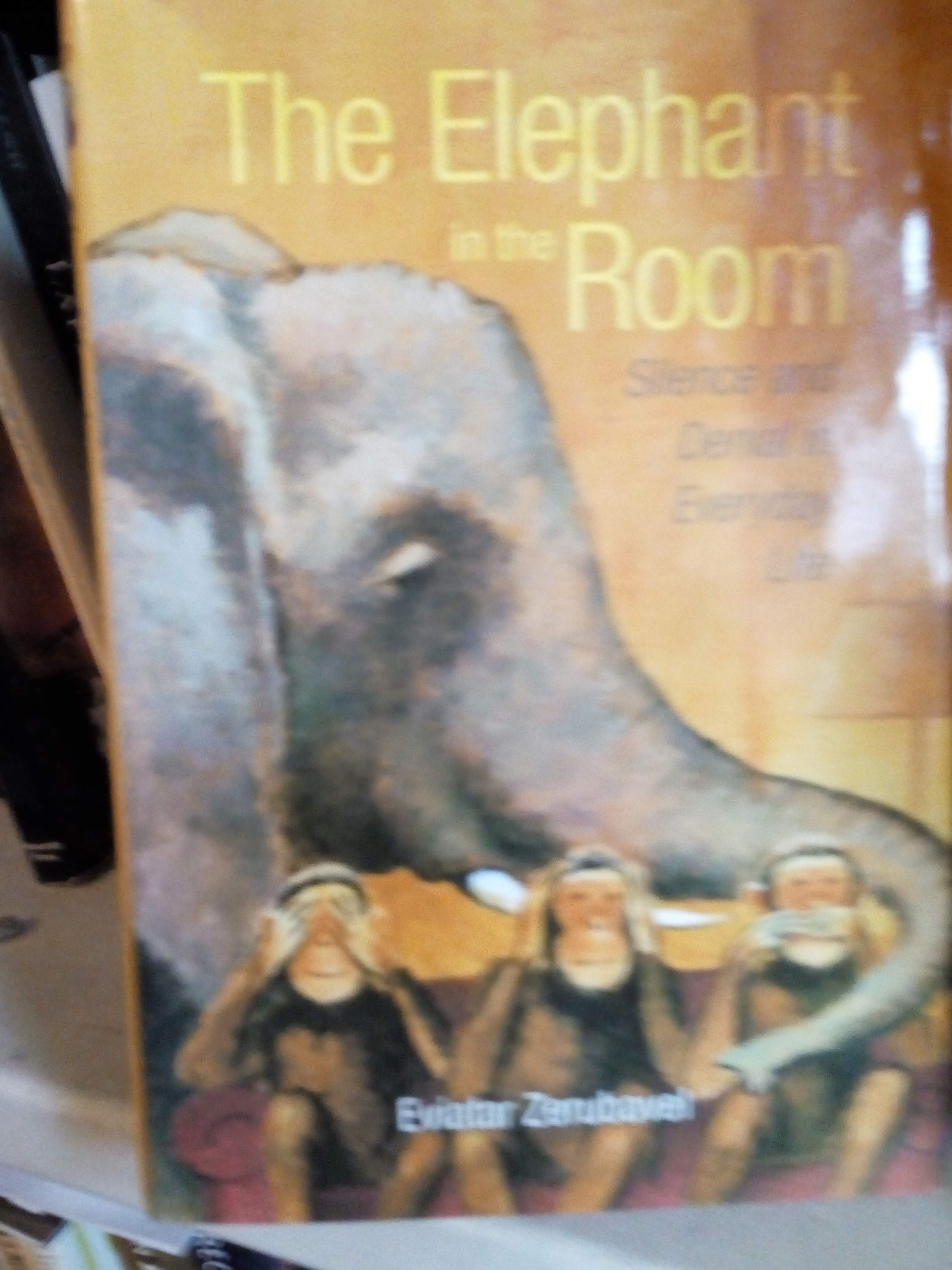
If you or somebody you know is worried about mental health and of course if you feel you’re benefits going to be taken away from you if you had a breakdown or a struggling this is written in simple language and it’s very moving. What do you think the doctor’s only got 10 or 15 minutes to do everything coming up with a diagnosis and some medication possibly it shows how difficult it is so we can’t just accept everything that the doctor told us
It seems worth reading for anyone interested in the current political climate

































 How my heart speaks