

https://guardianbookshop.com/weathering-9780349015163
https://nurturingnatures.co.uk/the-lost-joys-of-playing-and-just-being/
Children who are lost in play often evoke a sense of awe in adults, play just has intrinsic value; we do not do it to achieve anything else, although there are often rewarding by-products. We can get lost in play, be taken over by it, and it is no coincidence that the psychoanalyst Winnicott [5] contrasted play with reality, and argued that the capacity to play, to symbolize, and creativity in general are fundamentally linked. Harsh realities can sometimes come crashing in to destroy fragile moments of play. Think of the little girl who puts on her mother’s shoes and hat to and is pretending to be a teacher until her mother comes in and harshly asks what she thinks she is doing. The teacher who has to disrupt children’s game to ask what that colour is or how many beads there are will just kill the play stone dead. Play produces benefits in its own right for the player, spurring other developments, yet it is generally undertaken simply for the joy of it.
I wish we were in Silverdale again
The meadow full of flowers,the nettle’s sting
The boarding house,the hedges rich with song..
The sketch pad,ink, the birthday pen
My brother’s humour and his wacky games
I miss his buoyant face, his eyes untamed
At least he’s not in prison doing time.
I liked the way he misprounced my name.
I wish we were on Windermere today
The bouncing sun,the blossoms rich display
Come back now I love you anyway
My heart was stabbed with death,you went away
I saw your shadow cycling in black rain.
May we help each other with the pain?
The bricks of the old wall while crumbling live
Five hundred years of history passed them by
While plants grew in the cracks below, above
Apart from people, this is what I love
That ancient structures stand and do not die
The bricks of this old wall while crumbling live
A little beauty will do well enough
This cheers my heart and lifts my spirits high
Wild flowers grow in cracks below, above
We fill our minds and homes with shop bought stuff
Gaze on bricks and cracks, what will we spy?
The bricks of this old wall while crumbling live
Like old complexions, older bricks are rough
The Vicar cannot smooth them though they try
Holes for plants inscribe these cracks with love
From generations past, ghosts wander. shy.
Looking for their graves, they whisper,sigh
The bricks of the old wall still crumbling live
Tenacious weeds shall wave below, above
Oh,horticultural college, you have charm
To grey old souls your roses are a balm
But if I need a stimulant
To Tottenham Hotspurs I’ll be sent
To see the players break each other’s arms”
O gardens fair ,O trees with bark that gleams
O roses red, your scent awakes our dreams
But if my brain needs livening up
I’ll burn the ordnance survey map
And wander round the garden as I beam
O cafeteria , what a terrace fair
While others eat I chew my straggly hair
But when my sister takes a snap
She makes two frogs sit on my lap
She’s so creative, she has gentle flair
Oh,horticulture is a lovesome art
Which gives us flowers with which to decorate
But once a week
We have a peek
And see old men who’re eating mulberry tarts
Oh,rapidly the summer darts away
So we must enjoy a flower while it’s here
Otherwise ,it’s tea and cake
Which Mary Berry now dictates
The main thing is to love cake without fear
Waxy flowers poking through
Snow so white
Flowers bright.
Made me think of you.
I see once more your just washed hair,
Soft as snow,
On pillow.
Now my bed is bleak and bare
,
Face alight,flower to sun,
I loved you.
Love so true.
Fear by love,overcome.
Cyclamen in the snow,
Pink and red,
Now frozen,dead.
Love was,oh,so long ago.
But never gone from in my mind.
Thoughts so deep,
Upwards seep.
Love was gentle,love was kind,
Always in my mind
https://www.azquotes.com/quote/961556

Happiness not only needs no justification, but it is also the only final test of whether what I am doing is right for me. Only of course happiness is not the same as pleasure; it includes the pain of losing as well as the pleasure of finding.
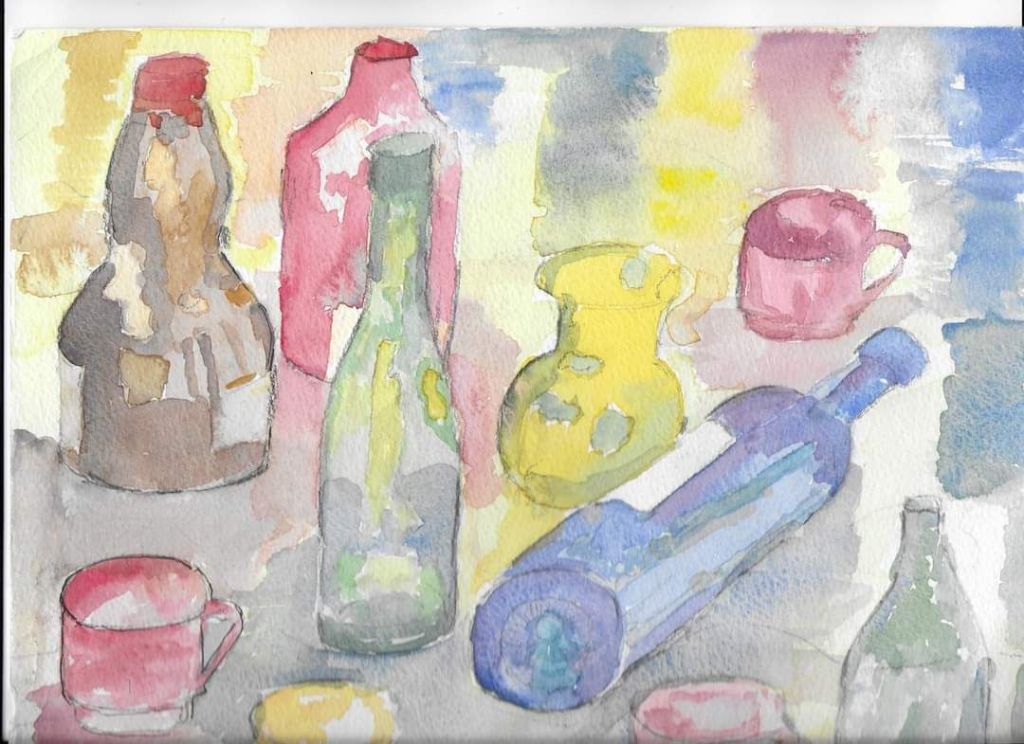

When Mary joined her art class she found there was a very interesting man called Brian who came from Burnley. Brian’s work was excellent although none of the students adventured beyond Constable in their paintings. But then who could go beyond Constable?
But why should dear old people be made to confront modern and post modern thoughts and feelings? Even Gustav Munch was really beyond the pale. Was he trying to warn us?
I suppose that people like to retain the idea of the world as in some sense orderly and beautiful with patterns that can be discovered by scientists or artists. The idea that these patterns are not real that they may be imposed by us and that now we no longer have the strength or faith to do that is a subject for discussion Mary decided.
These people had lived through world war II and had served their country like Brian who had worked on radar in the Edison light bulb factory in Eastern Enfield.
The Germans were not totally deceived by it being called a light bulb factory and the area was bombed heavily; fortunately Brian’s landlady had a very strong house with a cellar so the dear man had been saved
Mary was nervous because unlike the other students she had only taken up art when she was almost 60 years old. But anyone who does that is very brave she told herself sensitively.
But it’s not always a bad thing to be nervous.. perhaps it’s essential to be so every time you start a fresh creation
After spending half an hour looking at the blank sheet of drawing paper Mary took up pencil and began to sketch the seabird made of wood that she had taken with her to the class that morning.
Are we meant to put the shadows in she asked Deli the art teacher
Yes do. Shadows as re what make things real as Jung certainly saido maybe in a different language. No not Chinese,Margaret.
Actually once Mary started it wasn’t as frightening as she had imagined. And soon it was time for the coffee break
In the kitchen of the ancient and beautiful house the student sat round a large pine table to drink their instant coffee. Mary had never realised before how much she hated it and so she thought she would pour it over some plants in pots when nobody was looking rather than waste it completely m
Brian told everyone that he had been to Morrison’s and to his surprise he found a bottle of wine there exactly the same as one he had bought at an expensive wine tasting experience he had gone to in Central London
Millicent and Mimi two old friends who lived near the Catholic church in Holbrook Green seem to feel scandalised
Did you buy any send Millicent
Of course I did said Brian. I bought three.
You should have seen the expression on Millicent’s face asshe was utterly critica of unmarried or widowed older men buying wine.
Well Mary said,Wine is very useful when you are entertaining.
And heard Brian murmur quietly.
Especially when you are entertaining yourself
He had a little grin on his very thin bony and handsome face. In the sun his hair almost looked like fuse wire. Perhaps Millicent was trying to hide her attraction towards him as no doubt he was the best looking man in the art class which wasn’t difficult because there was only one other one there the rest of the students were all female.
What a lovely sense of humour he had
Then they heard a little voice saying
I’d like to try some of that wine Brian.
They looked tound but they could not see anybody Was this the still small voice that Elijah heard on the mountain?
Then they look down the room and saw a little black cat smiling. They had never seen a cat previously but then life can be very surprising sometimes thank goodness
Emile cried Mary what on earth are you doing here?
You forgot to take your senior citizens bus pass so I thought I would come on the bus with it to meet you down here.
I’m surprised that they let you use my bus pass when you were not a human being
Well they’re so used to the madness of the current era and our government in particular that they don’t seem to notice now whether we’re people animals or even spirits from the next world.
I came in a cab, Mary revealed,because I had to carry my art materials with me.
Oh said Emile, I don’t mind going in a cab.
Millicent and Mimi were looking at Mary as if she was a complete lunatic. The truth was revealed to all
Well some people bring their partner to the art class but not many bring their cat. And a talking cat is a very rare phenomenon in Britain.
Have you brought your art materials Emile?
Mary has not bought me any art materials but if you let me have some of your paint I can make a picture using my paws.
No said Deli. We can’t risk getting pains on these wonderful old floors.
Don’t worr I’ve got some.socks I can put on after I finished the painting
Or I could borrow some pastels
Mary already had a stramge reputation among the old folks so now they’re thought she was completely bonkers but the truth was that Emile was worried that Mary was falling in love with Brian and Emile did not want Mary to find a new partner unless he was absolutely certain this man would accept him as an equal in the houshould
I hate to say this said the art teacher to Mary but your cat is better at art than you are!!
Well it certainly looks post modern Mary answered. Do you think that people would buy these?
Saatchi maybe? Or maybe the king would like to buy one?
Well you never know do you?
It takes all sorts to make a world
And so say all of us
Will anyone buy Emile’s picture?
You have to wait 10 years for the next exciting instalment to be published. Why not write it yourself so that you can put your own experience in as you may have an even more strange story than Mary’s
They lay down in awe and fear,
Of what their love was bringing near.
They gazed into each others eyes
And so did tantalise.
They lay down to gaze into
the eyes and soul of one who’s true.
They gazed until ,when overcome,
They were united into one.
Their souls and bodies were conjoined,
And thus their hearts were well entwined;
As honeysuckle on the walls,
In joy’s sweet arbours does grow tall,
Their loving lips and eyes and hands
Gave pause to time’s soft flowing sands.
and as they touched and gazed and longed,
The birds sa

ng out in glorious songs.
Which is me and which is you?
Are we one or are we two?
I give you all myself today,
So this shall be our way

As Mary stood by the fridge at bedtime, a can of fly killer brought by dear Annie fell off the top and struck her red,orange and brown framed spectacles on the top.The heavy can hurt her nose
I hope nobody thinks a man has done this. she said to Emile
Well,I didn’t do it ,he mioawed cheerfully
It must be an Act of God, she mused.I hope there is no bruise
Ah,well.Are you sleeping on my bed,she asked Emile
No,I think I might go out roaming
Looking for frogs,she teased him
I may return, depending on the weather
Suddenly Annie knocked on the door
Are you all right, she asked anxiously?
Why, what is wrong,dear?
Your nose is blue
It’s that fly stuff, it fell onto me!
I’m terribly sorry.We must put it somewhere else.
Choose between me and the flies,Mary joked.
You are my best friend.I will not bring this stuff again
I am off to bed,Mary cried.Let me lock the door behind you
Annie ran out, and stole The Duty of Genius by Ray Monk.She wanted to discover why Mary liked Wittgenstein.And it covers a dangerous and terrible era in human history from the end of several Empires to the Second World War and beyond
I wonder what the children of Dr Mengele and the other dreadful criminals who committed torture and atrocties would feel like when they learned the truth abou their fathers
So Annie is embarking on some serious study while Mary is reading Woman and Home magazine.What is causing this strange change?
In bed ,Mary gazed at an article on ” How to dress well when you are over 80″
Alas all the clothes were expensive.Very
Does it matter what I wear, she pondered?
I suppose people do judge by appearances, she concluded.But which people?
Maybe I shall dress in one colour from now on.But not black.
Blue is a good colour.From now on if I buy new clothese, they must be blue
Maybe just a blue silk scarf is enough to make a vivid impression
Mean while Annie is crying over “The Duty of Genius” because at least two of Wittgenstein’s brothers took their own live and his sisters were almost captured by the Nazis who had to be bought off by the family wealth unlike Freud’s sisters
So what are we complaining about in the UK, she asked herself before saying some almost forgotten prayers.
And wished her husband were there to hold her in his arms.At least one of her husbands would have been most welcome
And so feel all of us

But there is another way to see this crisis – one that doesn’t place it firmly in the realm of the medical system. Doesn’t it make sense that so many of us are suffering? Of course it does: we are living in a traumatising and uncertain world. The climate is breaking down, we’re trying to stay on top of rising living costs, still weighted with grief, contagion and isolation, while revelations about the police murdering women and strip-searching children shatter our faith in those who are supposed to protect us.
As a clinical psychologist who has been working in NHS services for a decade, I’ve seen first hand how we are failing people by locating their problems within them as some kind of mental disorder or psychological issue, and thereby depoliticising their distress. Will six sessions of CBT, designed to target “unhelpful” thinking styles, really be effective for someone who doesn’t know how they’re going to feed their family for another week? Antidepressants aren’t going to eradicate the relentless racial trauma a black man is surviving in a hostile workplace, and branding people who are enduring sexual violence with a psychiatric disorder (in a world where two women a week are murdered in their own home) does nothing to keep them safe. Unsurprisingly, mindfulness isn’t helping children who are navigating poverty, peer pressure and competitive exam-driven school conditions, where bullying and social media harm are rife.
If a plant were wilting we wouldn’t diagnose it with “wilting-plant-syndrome” – we would change its conditions. Yet when humans are suffering under unliveable conditions, we’re told something is wrong with us, and expected to keep pushing through. To keep working and producing, without acknowledging our hurt.
In efforts to destigmatise mental distress, “mental illness” is framed as an “illness like any other” – rooted in supposedly flawed brain chemistry. In reality, recent research concluded that depression is not caused by a chemical imbalance of the brain. Ironically, suggesting we have a broken brain for life increases stigma and disempowerment. What’s most devastating about this myth is that the problem and the solution are positioned in the person, distracting us from the environments that cause our distress.‘I’m glowing’: scientists are unlocking secrets of why forests make us happy
Individual therapy is brilliant for lots of people, and antidepressants can help some people cope. But I worry that a purely medicalised, individualised understanding of mental health puts plasters over big gaping wounds, without addressing the source of violence. They encourage us to adapt to systems, thereby protecting the status quo. It is here that we fail marginalised people the most: Black people’s understandable expressions of hurt at living in a structurally racist society are too often medicalised, labelled dangerous and met with violence under the guise of “care”. Black people are more likely to be Tasered, sectioned, restrained and over-medicated than anyone else in our mental health services today.
The UK could learn a lot from liberation psychology. Founded in the 1980s by the Salvadorian activist and psychologist Ignacio Martín Baró, it argues that we cannot isolate “mental health problems” from our broader societal structures. Suffering emerges within people’s experiences and histories of oppression. Liberation psychology sees people not as patients, but potential social actors in the project of freedom, valuing their own lineages, creativity and experience, rather than being forced into a white, eurocentric and individualistic idea of therapy. It directly challenges the social, cultural and political causes of distress through collective social action.
This framework makes complete sense when we hear that the pandemic in the UK has affected poor people’s mental health most. Does it mean wealthy, privileged white men don’t experience suffering? Of course they do. We’re still learning about the complicated ways these structural issues affect our everyday lives. For example, how the pressures of individualism and capitalism may lead to isolation and substance abuse, or how colonial violence towards immigrant families plays out within homes and on bodies.
Let me be clear, I’m not saying people in distress should be out there on the picket line. Pain can be debilitating. But those of us who are supporting people in distress, such as mental health workers, have a key role in social transformation. Social action is the medicine that relieves people’s personal and collective distress.
Instead of trying to change “mindsets” in therapy, we need to change race- and class-based hierarchies, the housing and economic system. Universal basic income has psychological benefits, and recent studies show how it improves the “crises of anxiety and depression”. As a clinical psychologist, some of my most powerful work has been not in the therapy room but in successfully advocating for secure housing for, or working in the community with, queer, black and brown facilitators in organisations such as Beyond Equality, to prevent gender-based violence. The network Psychologists for Social Change shows us a practical imagining of this work. We also need social change that is preventive, such as investing in young people and community-led services such as healing justice london and 4front. They work to shift trauma in marginalised communities through building social connectedness, social action and creativity, towards futures free of violence.
None of this is to dismiss the value of one-on-one therapy (that’s part of my job, after all). But therapy must be a place where oppression is examined, where the focus isn’t to simply reduce distress, but to see it as a survival response to an oppressive world. And ultimately, I’d like to see a world where we need fewer therapists. A culture that reclaims and embraces each other’s madness. Where we take the courageous (and sometimes skin-crawling) risk of turning to each other in our understandable, messy pain.
Meaningful structural transformation won’t happen overnight, though the pandemic taught us that big changes can happen pretty quickly. But change won’t happen without us: our distress might even be a sign of health – a telling indicator of where we can collectively resist the structures that are hurting so many of us.
… as you’re joining us today from the UK, we have a small favour to ask. Tens of millions have placed their trust in the Guardian’s fearless journalism since we started publishing 200 years ago, turning to us in moments of crisis, uncertainty, solidarity and hope. More than 1.5 million supporters, from 180 countries, now power us financially – keeping us open to all, and fiercely independent.
Unlike many others, the Guardian has no shareholders and no billionaire owner. Just the determination and passion to deliver high-impact global reporting, always free from commercial or political influence. Reporting like this is vital for democracy, for fairness and to demand better from the powerful.
And we provide all this for free, for everyone to read. We do this because we believe in information equality. Greater numbers of people can keep track of the events shaping our world, understand their impact on people and communities, and become inspired to take meaningful action. Millions can benefit from open access to quality, truthful news, regardless of their ability to pay for it.
Every contribution, however big or small, powers our journalism and sustains our future.Support the Guardian from as little as £1 – it only takes a minute.
SingleMonthlyAnnual£6 per month£12 per monthOther
ContinueRemind me in Novemberhttps://6bd2070874e8cb4fdc70397ff773cf80.safeframe.googlesyndication.com/safeframe/1-0-38/html/container.html?n=0
But there is another way to see this crisis – one that doesn’t place it firmly in the realm of the medical system. Doesn’t it make sense that so many of us are suffering? Of course it does: we are living in a traumatising and uncertain world. The climate is breaking down, we’re trying to stay on top of rising living costs, still weighted with grief, contagion and isolation, while revelations about the police murdering women and strip-searching children shatter our faith in those who are supposed to protect us.
As a clinical psychologist who has been working in NHS services for a decade, I’ve seen first hand how we are failing people by locating their problems within them as some kind of mental disorder or psychological issue, and thereby depoliticising their distress. Will six sessions of CBT, designed to target “unhelpful” thinking styles, really be effective for someone who doesn’t know how they’re going to feed their family for another week? Antidepressants aren’t going to eradicate the relentless racial trauma a black man is surviving in a hostile workplace, and branding people who are enduring sexual violence with a psychiatric disorder (in a world where two women a week are murdered in their own home) does nothing to keep them safe. Unsurprisingly, mindfulness isn’t helping children who are navigating poverty, peer pressure and competitive exam-driven school conditions, where bullying and social media harm are rife.
If a plant were wilting we wouldn’t diagnose it with “wilting-plant-syndrome” – we would change its conditions. Yet when humans are suffering under unliveable conditions, we’re told something is wrong with us, and expected to keep pushing through. To keep working and producing, without acknowledging our hurt.
In efforts to destigmatise mental distress, “mental illness” is framed as an “illness like any other” – rooted in supposedly flawed brain chemistry. In reality, recent research concluded that depression is not caused by a chemical imbalance of the brain. Ironically, suggesting we have a broken brain for life increases stigma and disempowerment. What’s most devastating about this myth is that the problem and the solution are positioned in the person, distracting us from the environments that cause our distress.‘I’m glowing’: scientists are unlocking secrets of why forests make us happy
Individual therapy is brilliant for lots of people, and antidepressants can help some people cope. But I worry that a purely medicalised, individualised understanding of mental health puts plasters over big gaping wounds, without addressing the source of violence. They encourage us to adapt to systems, thereby protecting the status quo. It is here that we fail marginalised people the most: Black people’s understandable expressions of hurt at living in a structurally racist society are too often medicalised, labelled dangerous and met with violence under the guise of “care”. Black people are more likely to be Tasered, sectioned, restrained and over-medicated than anyone else in our mental health services today.
The UK could learn a lot from liberation psychology. Founded in the 1980s by the Salvadorian activist and psychologist Ignacio Martín Baró, it argues that we cannot isolate “mental health problems” from our broader societal structures. Suffering emerges within people’s experiences and histories of oppression. Liberation psychology sees people not as patients, but potential social actors in the project of freedom, valuing their own lineages, creativity and experience, rather than being forced into a white, eurocentric and individualistic idea of therapy. It directly challenges the social, cultural and political causes of distress through collective social action.
This framework makes complete sense when we hear that the pandemic in the UK has affected poor people’s mental health most. Does it mean wealthy, privileged white men don’t experience suffering? Of course they do. We’re still learning about the complicated ways these structural issues affect our everyday lives. For example, how the pressures of individualism and capitalism may lead to isolation and substance abuse, or how colonial violence towards immigrant families plays out within homes and on bodies.
Let me be clear, I’m not saying people in distress should be out there on the picket line. Pain can be debilitating. But those of us who are supporting people in distress, such as mental health workers, have a key role in social transformation. Social action is the medicine that relieves people’s personal and collective distress.
Instead of trying to change “mindsets” in therapy, we need to change race- and class-based hierarchies, the housing and economic system. Universal basic income has psychological benefits, and recent studies show how it improves the “crises of anxiety and depression”. As a clinical psychologist, some of my most powerful work has been not in the therapy room but in successfully advocating for secure housing for, or working in the community with, queer, black and brown facilitators in organisations such as Beyond Equality, to prevent gender-based violence. The network Psychologists for Social Change shows us a practical imagining of this work. We also need social change that is preventive, such as investing in young people and community-led services such as healing justice london and 4front. They work to shift trauma in marginalised communities through building social connectedness, social action and creativity, towards futures free of violence.
None of this is to dismiss the value of one-on-one therapy (that’s part of my job, after all). But therapy must be a place where oppression is examined, where the focus isn’t to simply reduce distress, but to see it as a survival response to an oppressive world. And ultimately, I’d like to see a world where we need fewer therapists. A culture that reclaims and embraces each other’s madness. Where we take the courageous (and sometimes skin-crawling) risk of turning to each other in our understandable, messy pain.
Meaningful structural transformation won’t happen overnight, though the pandemic taught us that big changes can happen pretty quickly. But change won’t happen without us: our distress might even be a sign of health – a telling indicator of where we can collectively resist the structures that are hurting so many of us.
To return to the plant analogy – we must look at our conditions. The water might be a universal basic income, the sun safe, affordable housing and easy access to nature and creativity. Food could be loving relationships, community or social support services. The most effective therapy would be transforming the oppressive aspects of society causing our pain. We all need to take whatever support is available to help us survive another day. Life is hard. But if we could transform the soil, access sunlight, nurture our interconnected roots and have room for our leaves to unfurl, wouldn’t life be a little more livable?
… as you’re joining us today from the UK, we have a small favour to ask. Tens of millions have placed their trust in the Guardian’s fearless journalism since we started publishing 200 years ago, turning to us in moments of crisis, uncertainty, solidarity and hope. More than 1.5 million supporters, from 180 countries, now power us financially – keeping us open to all, and fiercely independent.
Unlike many others, the Guardian has no shareholders and no billionaire owner. Just the determination and passion to deliver high-impact global reporting, always free from commercial or political influence. Reporting like this is vital for democracy, for fairness and to demand better from the powerful.
And we provide all this for free, for everyone to read. We do this because we believe in information equality. Greater numbers of people can keep track of the events shaping our world, understand their impact on people and communities, and become inspired to take meaningful action. Millions can benefit from open access to quality, truthful news, regardless of their ability to pay for it.
Every contribution, however big or small, powers our journalism and sustains our future.Support the Guardian from as little as £1 – it only takes a minute.
SingleMonthlyAnnual£6 per month£12 per monthOther
ContinueRemind me in Novemberhttps://6bd2070874e8cb4fdc70397ff773cf80.safeframe.googlesyndication.com/safeframe/1-0-38/html/container.html?n=0
Professor Rosa Benchez was in the staff-room at Middle-Jeans-Rise University collecting her mail and having coffee at 9.30 am on Monday morning after running 10 miles on her rowing machine.It rowed and she ran
How are you? enquired Danny her friend and colleague in the School of Learning.
I’m feeling very insignificant today,she replied. quietly.I am giving a lecture on Semiotics and it’s those French people who use such idiotically complicated language.We all know that an object like a bird has to have a name before we can talk about it.
Well.,said Danny, I thought you’d just say,”In the pink” as usual to my greeting, so you must feel bad.Does each bird have to have its own name,he continued wonderingly?
Well,it depends on the context, she informed him coolly and enigmatically.
First,if we are looking at birds as a class or set, they just need a name like “bird”.It could have been anything but somehow it was” bird” that occurred like x is used in algebra.We may just study one bird then we give it a number to identify it.That is its name
Danny gazed at her beautiful bosom under her semi-transparent pink blouse.Did she dress like that on purpose to provoke men or did she feel so deep;y insignificant that she didn’t realise anyone at all could see her purple lace bra and her green silk and wool thermal vest with matching briefs, though fortunately, the latter were invisible from outside sp
Danny,I’m talking to you, she called sympathetically.Why are you quiet?
I dunno, the world famous biologist replied.Maybe I am not quite here today.
You too,she murmured quietly ,like the stream in Little Walsingham by the ruined Abbey.
Are you anxious about your lectures,she enquired softly and caringly?
No, not really ,he said tearing his eyes away from her revealing clothing.
Is there a biological reason why a scholar like Rosa would wear this unusually exciting outfit.
The truth was more mundane.Rosa bought her clothes in Sales and was indifferent pr unaware to the way men might feel seeing her like this.After all,did she notice if they wore deep purple underpants that showed above their low rise jeans or gold coins on a chain with matching long earrings?
She only looked at their faces while they naturally were drawn to see what outfit she was wearing that day. and what her new lingerie looked like.
What did her partner feel?Had he left her for a woman who dressed in thick beige blouses and stockings with grey skirts?
To dress well takes time and Rosa did not give it enough although so far she had not lectured in a string bikini nor an evening dress she had found in a jumble sale.
These French people have made a fortune by re-labelling well know things like birds as “signified” and the word “bird” as signifiers!
It reminded her of a sociologist who got a large grant to see if women were more scared walking under a railway bridge at night if there were no streetlight there
The conclusion seems obvious.And that was what they proved “scientifically”
Statistics,numbers, that’s what journals want.
She went to her lecture room and turned on the lights.Eighty students gazed at her happily.She was almost the best and funniest lecturer in the place.
I put 30 handouts in Dr Bevan-Finnish’s drawer for the seminar but someone has stolen them, she said menacingly.I write these handouts myself and if they do not appear by noon ,nobody will get another one for the entire semester
With that, she turned to the blackboard and defined ” the signifier”
Well,it’s better than taking the insides out of chickens on a conveyor belt she thought silently as she moaned on while the students took copious notes or wrote limericks on kleenex tissues with their own blood
After lunch Rosa was in the staff room talking to some women colleagues when Dr Bevan -Finnish came over,blushing dark red as he approached.He said the handouts were back in his tray
Why is he so shy, Rosa asked herself,not realising it was her outfit that provoked his blushes.And that is a very important thing to remember… whoever we are with affects us so a bold man like Bevan-Finnish seemed shy when with Rosa whereas with another more sensibly dressed woman he was quite at ease.
There may be a few men who are not affected this way but not many otherwise the human race would die out and then where would we be?Nowhere!
What a pity nobody tells a lady like Rosa the facts of life so she goes about causing sinful longings in her colleagues quite oblivious.Even some of the women were getting affected but nobody dared to tell her.At least it drew students to her lectures and who knows, they might have learned some Linguistics as well.And it kept them off the streets.Which streets nobody knows.Yet!
Coming back to earth is very hard
When a loved one’s gone, the heart feels charred
You took them to the gate but had to leave
And now you know at last you are bereaved
Why get better, what is there left now?
The Holy One has vanished,gone somehow
Should there not be sentries of the heart
To pull one back before it is too late
Maybe cruelty’s kinder to those left
To punish us when we feel we’re bereft
Is there noone else when God has gone
Taking in his arms your most loved one?
The form may be grammatical and right
Yet what it says is nonsense in daylight
You were the centre of my universe
[What is a universe,by the way?]
You were the light in my life
[What about the sun?
You were perfect in every way
{ Name a few definite ones]
So why did you choose me?
[Why, what’s wrong with you?]
Now, you have thrown me away
Seems as if I am trash
But some folk save the wrong things
Or put them in the wrong wash
[That might be a metaphor]
My washing machine only works on the rapidest wash
[Good grief, that sounds positive]
Since it’s only 14 minutes,I do it twice
[Why would people want to know this?]
Sometimes I just do rinse and spin
‘But I didn’t realise that was an option at first
[Who cares?]
I am trying to save money so in future I shall just do one
{ why wash them at all, just steam them!]
I love elecricity
{ Is that a metaphor?]
I love gas
[Maybe it’s not]
I’ll cook my angel a roast
{ Do angels eat?]
A roasted prayer of thanksgiving
{Sounds more like a threat than a promise]
God will smell the odour
[Not if he doesn’t want to]
God will be happy
[Are you crackers?]
God is neither happy nor unhappy
[Make your mind up.This is not logic class BTW}
God looks divine
[How can we compare the two?]
I have seen him
[Are you high?]
I don’t know what will happen next but I accept it all
[Very gracious!]
I wish Father Xmas would come tonight
{ Don’t we all?]
And to use a cliche,I love the entire universe.What ever that is!
Is that a bad poem?
Do cows eat grass
Do sheep have woollen rugs glued to their heads?
I am finished
[At last!]
But it’s not bad enough
{Stop moaning]
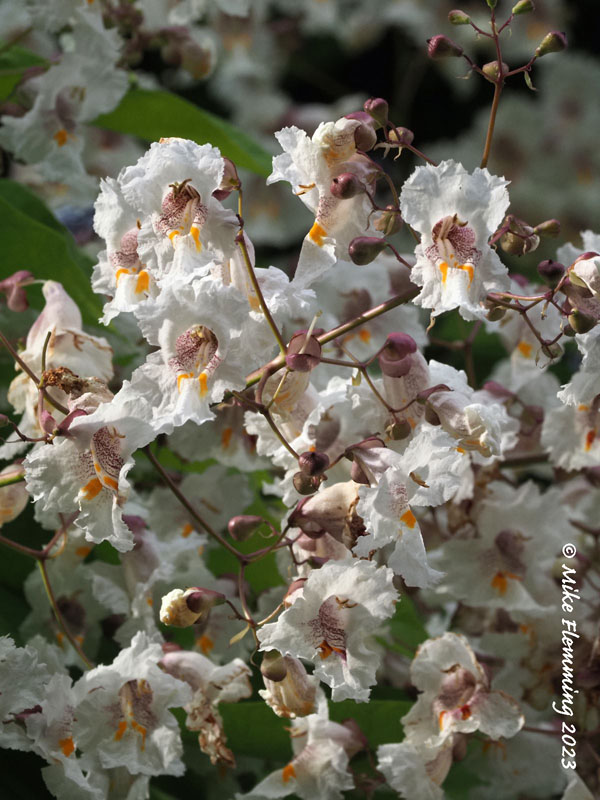
About the golden light what can I say
Love is near and we don’t need to pray
Enter into darkness without fear
Another hand will guide help us steer
I had lost my faith I was bereft
I could not speak, and sinking was my craft
Then a the soft bright cloud embraced me whole.
I felt a presence and I saw the light
Why should I be helped when many die?
The mystery ,of God the soul destroyed

https://tseliot.com/prose/rudyard-kipling I
We expect to have to defend a poet against the charge of obscurity; we have to defend Kipling against the charge of excessive lucidity. We expect a poet to be reproached for lack of respect for the intelligence of the common man, or even for deliberately flouting the intelligence of the common man: we have to defend Kipling against the charge of being a ‘journalist’ appealing only to the commonest collective emotions. We expect a poet to be ridiculed because his verse does not appear to scan: we must defend Kipling against the charge of writing jingles.

Hail Attlee, mind of grace
Blessed are you amongst men
And blessed is the fruit of your mind, the NHS
Holy Attlee,Father of Starmer
Pray for us now and save us from Tory errors
Now and forever I beg
Amen
There was a young lady from Truro
Who hated to polish the bureau
So she stripped the wood bare
At least once a year
Then she lunched on some buttered escargots

There was a young lady from Barnes
Who never did anyone harm
When she went up to heaven
God said we’re in Devon.
You’re welcome perfectly welcome dear maam

Our Father,Aneurin Bevan,
Exploded is thy game;
Why,Kingdom come,
Before thy will be done.
Gone N.H.S.Gone Heaven.
Give us fair pay,our daily bread;
Don’t leave us on piece rates,
As we confront those who legislate against us.
And feed us not with deprivation,
But deliver us from Weasels.
For thine was the Fair Game,the Hour and the Story
Maybe once but ever again?
Please accept our creepiest symphony.
With sweetest tympani.
Please accept with previous company.
Loss is always a tradein
I’m so sorry that your husband lied.
We live in hope of an insurrection
When will the geeks inherit this laugh?
I’m so sorry to hear about your blister. She should not have gone astray.
When is the humeral to be belled?
He left me his new router
He left his cheapest empathy
I am sad that you are so lonely with your thief.
If she believed in Devon, she kept it riot.
I will always remember that a dog shook hands with my husband in heartlands in Devon
I haven’t had time to make a world so could I buy one?
I found his last bill and pissed lament
I said I wanted to see Jesus I didn’t mean that I wanted to lie
If you die I’ll be very angry and I really screamed that. But it was too fake. You never relieved me.
Do you think that God is working for us when we lie ?
Does God dismember everything?
He said he was working for the still small voice I didn’t really believe that but I am deaf. God should shout not whimper
When you are dead you have blood that will not percolate anymore.
Who is the person who makes our blood flow around our bodies?

Rhythmic poetry echoes our own rhythms
The way the heart beats and the flow of blood.
Music is biology at play
The joy of being alive is well and good
There is no no need for willpower and its strains
Does the River have to push itself?
Does the tide need training who could tell?
Imitating these is poetrys stealth.
Overwork is easy but it’s wrong.
Distracks us from the pain of life and death
Both can come together in a song
Let your mind be vacant till you find
The evidence that there is another mind
I’m sad without you here, the air is still
I’m sad without you here the pain’s not sharp
I’m sad without you here my love my dear
It breaks my heart
I miss you in the morning when we wake
I miss you in the evening when we sleep
I miss you and our little cat so black
It makes me weep.
I dream of you at night I loved you so
I dream of you when you were strong and sure.
I dream of you I think of you, but you are gone
Can I endure?
Human life is very short, we learn.
We leave the dance of joy we’ve had our turn
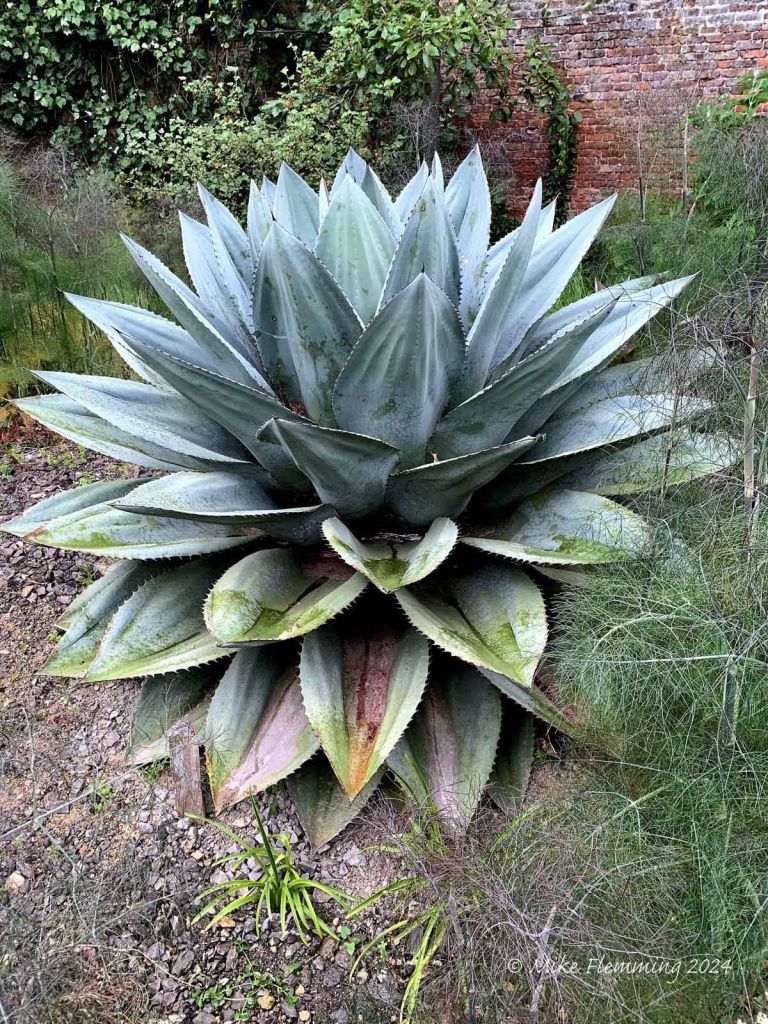
Loss can be losing a friend who was journeying with you through life.
It can also be the loss of the path,the signposts, the structure
It can be like the loss of the map that we have carefully constructed and which is now wrong.
It’s frightening to lose the structure, even part of the structure.
It’s frightening to realise the map you are using is no use.
There’s a lot of fear in grief or alongside grief.
Grief itself can also feel like fear.
Is it worse than the first day school for the child?
It’s hard to know the answer to that

Even love is subject to finance.
Children need their food, their little bed
When we’re cold and hungry we can’t dance
Hoping for real love by happenstance?
Children may be born but are they bred?;
Even love is subject to finance
Do we need the lightness of romance?
Be like little children, one man said
When we’re cold and hungry, there’s no chance
But money by itself lacks elegance.
Tell us more about what some man said
Children’s hands reach out,as if entranced.
Be a slave to love but not finance.
The heart is wise, but reason writhes,is dead
I follow links but somehow lose the thread
Love itself has died on bloody sands
Why should the wounded fearful try to dance?




 How my heart speaks