Still afraid of being alone by Sara Maitland

We think we are unique, special and deserving of happiness, but we are terrified of being alone. We declare that personal freedom and autonomy is both a right and good, but we think anyone who exercises that freedom autonomously is ‘sad, mad or bad’. Or all three at once. https://www.goodreads.com Sara Maitland Quotes – Goodreads

The oxymoron class

There is a sentence often spoke
In jest or repartee:
“See how the cookie crumbles,mate.
Why don’t you have more tea?”

But my cookies don’t crumble
They bend in multi-ways.
Why here are some I made for you
Only yesterday.

You want to know why cookies bend?
Well,mine are made from rubber.
They look impressive on the plate…
As good as any other.

But when you pick one up to start
And press it in your hands
It does not crumble,but just falls
Into a thousand rubber bands.

The guests suffer embarrassment
As they gaze down in dismay.
But the children and the dogs and cats
are happy as they play.

I gave my lover,one cookie
I gave him three or four
But he was never satisfied
Until I gave him more.

Then when I met him later on
He seemed to be in pain…
And claims his doctor told him off
For eating food again.

So now I’m having lessons
In how to bake real fakes.
It’s called the Oxymoron Class
And you should see our cakes.

I made one,I made two,
I made fifty four.
But now the freezer’s full right up
So I can’t make no more.

I want some crumbly cookies,
But mother doesn’t know.
She has gone to heaven above…
Oh,how I miss her dough!

Keats and negative capability

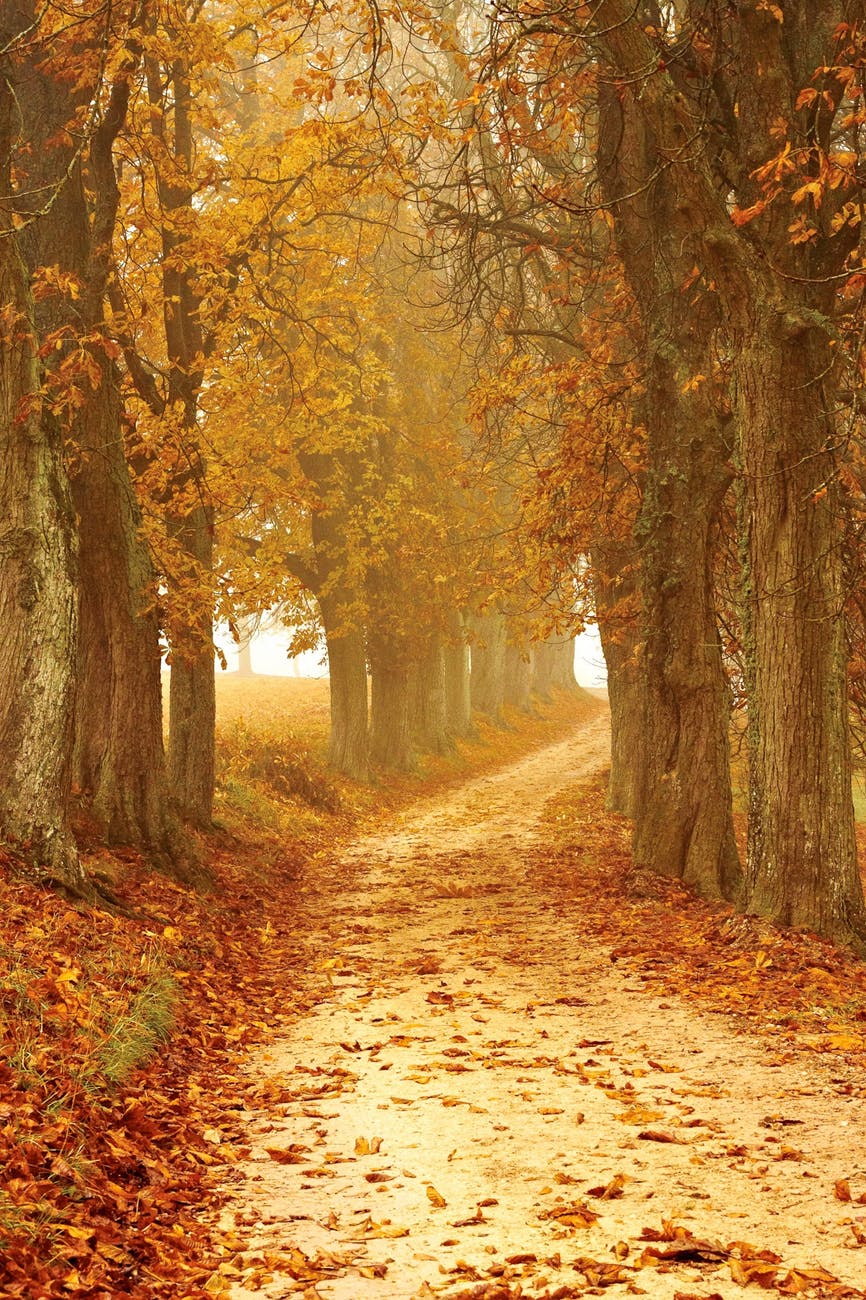
autumn autumn colours brown countryside
Photo by Pixabay on Pexels.com

https://dalspace.library.dal.ca/bitstream/handle/10222/63097/dalrev_vol61_iss1_pp39_51.pdf?sequence=1

“When we look into Keats’s expressions of conflict between
imagination and reality we can see the roots of this conflict in the
problem of identity. Keats wrote about the sunset, the sparrow, the
mythological figure as if he had lost his identity in the object. He
experienced these identifications sometimes with a sense of discovery
and sometimes with fear or irritability. Eventually, Keats began to see
that his identity would not be maddened by his imagination and could
be strengthened by it. He realized, in other words, “that a not inconsiderable increase in psychical efficiency” can result “from a disposition
which in itself is perilous.” In-the four years we know Keats as a letter
writer and a poet, we can see the development of his capacity for
retaining a sense of identity even when seized by powerful or seductive
visions. This is the development–the turning of a weakness into a
strength, both as artist and as man-that accounts for many apparent
contradictions in Keats’s thought. The language of negative capability
has been difficult because it suggests a puzzling oxymoron- a negative
and a positive. The figure presents two aspects of a dual process, the
first part of which, in its partial renunciation of control, can be felt as a
negative, while the second, or alternating, state recreates and is felt as a
capability. The creative process in some of its operations posed
dangers for Keats’!; identity. But by the spring of 1819, the period of the
great odes, there appears a new strength in the second aspect of
negative capabilily imagination”

The point

Art by author

A needle, pen or life itself have points

To sew, to write, to beautify or haunt.

.Our hands and minds, creative in intent

Give our lives their point, their way. their bent..

The long hands of the clock to numbers guide The fingers on the the gun this life deride.

The hand of fate without our will can point

The demons in the dream may rudely taunt.

Our lips may tighten when we are enraged

When others in our lives direct our page

Our words are stuck, we cannot let them out

So we never learn the truth ” about” Fingers pull the trigger,use the switch ..

The world destroyed in pointless rhetoric