Love too great can drown the one adored.

Love too great can drown the one adored.
As if Jove sent  tsunami as a gift
Overwhelming all  her personal choice.

Little offerings gentle and deserved
Will  not frighten  neither be too swift
Love too great can drown the one adored.

Speaking kindly as we find our  voice
Not shouting love, when we ought to desist
Overwhelming other’s personal choice.

At other  times a lover’s been devoured
By that selfishness, we’re not impressed
Love too great can drown the one adored.

God alone can speak in such a voice
By his truth, all other is expressed
Overwhelming, merciful and right

Eros, selfish, sacred, who resists?
Keep your love in bounds, may it be blessed
Love too great can drown the one adored.
Overwhelming all their personal , unique worth

They ran, they cycled, stole a soldier’s horse.

Misunderstanding love, she thought it  came by  force
She pushed the bottle to the baby’s lips
So for her lovers , love became a  vice

Free with  cruel comments, called “advice”
She urged her love with leather coated whips
Misunderstanding love, she thought it  came by force

By her will, she thought to make  love rise
Her victim’s  will was  there for her to clip
So for her victims, love became a  vice

They asked for mercy, pleaded for divorce
Nothing she’d not started got permit
Misunderstanding so, she thought love  could be forced

They ran, they cycled, stole a soldier’s horse.
But still she gasped, grasped nothing of their wit
So for her victims, love had been unwise.

What if Lucian Freud desired her sit?
Would he have made her muse and his culprit?
Misunderstanding love, she thought it  came by  force
So  in her victims walked, but left by hearse.

The celandine haunts

I’m lost in worlds of mind and memory
Of people gone and problems that devour
When Nature calls out with her yields, her plea.

My  eye is turned without and what I see
Is food for senses numbed by Men of Power.
I leave  the world of mind and memory

Is anything as  alluring as a  tree
When sun  leaps through transparent leafy tower?
Good Nature holds out  generous, haunting pleas

We make a whole from visions fragmentary.
The truth is richer, fiercer, even rawer
So leave  the worlds of mind and memory

I see  the woods,  once  Tudor  hunting fields,
Where Anne Boleyn’s  young daughter showed her power,
Though motherless by father’s cruel decree.

Rain and sun, oh, watercolour free!
The  celandine haunts with its golden flower
Once lingering at the edge of how, maybe.
Now  Nature draws me in  with earthy plea

Life is on offer

Adjoining to our house there was a space
It was about 10 feet wide
The builders of the the terrace of 10 small houses
Must have  miscalculated
Each house could have been one foot wider
We called it The Concrete
That was where I learned to ride a bike
My brother taught me to bowl overarm
I played twosie ball on the wall
A big girl taught me.
In the back street women had washing lines
When the bin men came  they had to bring it in
Mum washed the binmen’s mugs
Coated with thick ash and dirt
She thought it was the only time anyone washed them
She gave them boiling water too, to make tea in a tin can.
On Guy Fawkes day we had a bonfire.
Boys prowled throwing bangers across the road
Nobody called them louts, it was normal [for boys]
Boys were strong and brave
Girls could make cake and scream when they saw spiders
It was sex role division
Tough for nervous boys who didn’t want to kill spiders.
10 feet wide, a house long, The Concrete was our  little world.
Mum said, where’s your brother?
I said, he’s on The Concrete.
So she screeched his name from the doorstep.
Here,get me 8lb sugar on the road.
It’s on offer.
Life is  on offer but do we notice?

About writing poetry when you are older

https://www.psychologytoday.com/blog/ebb-and-flow/201610/the-power-writing-poetry-in-old-age
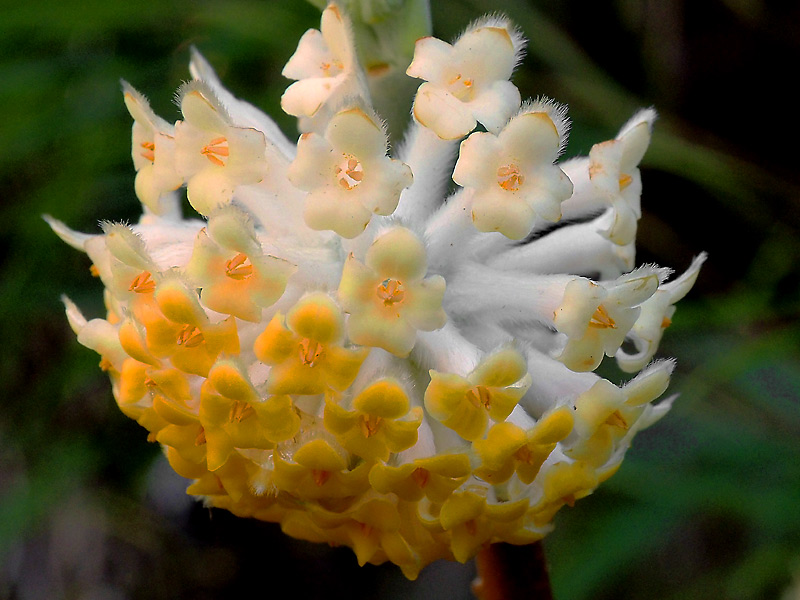
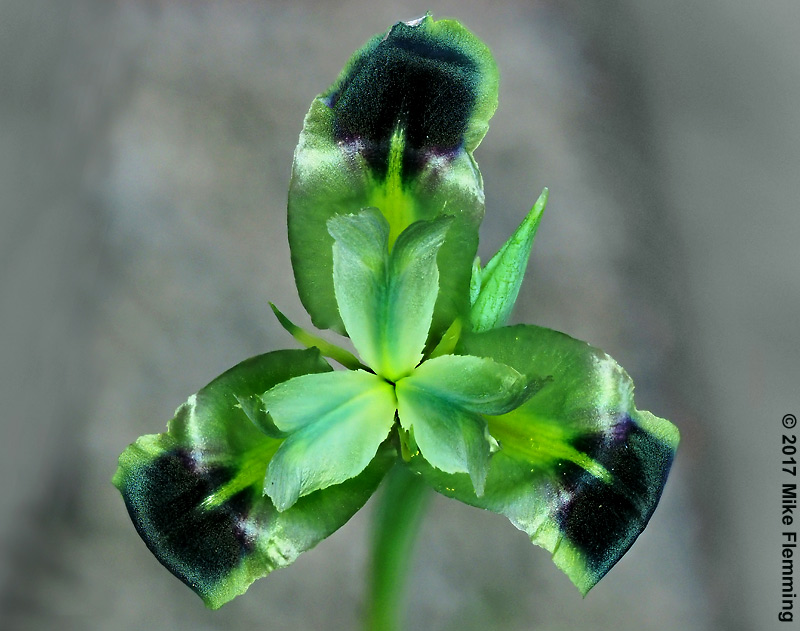
Edgeworthia-chrysantha (2)Hermodactylus-tuberosus-MS7

Photos by Mike Flemming 2017 copyright

Quote:

After some initial resistance and discomfort, they now write relatively freely and openly; they are glad to tell their stories through poems. When I ask them to speak directly to the stars—or the moon or the sky— as Keats does in his poem, ‘Bright Star’, they are excited and adventurous. They have now written poems about music, childhood, roses, seasons, war. They have constructed persona poems and comparison poems and learned to use metaphors and similes. They take pride in both their own creations and those of their fellow poets. They love listening to what well-known poets have written.

And they have connected to the naturally poetic in their deepest selves, writing with increasing confidence about their wide range of personal experiences and emotions, from the very happy to the very sad.

In a recent poem that the workshop composed together, a collaborative poem about the end of WWll, Marie wrote:

‘There was a beautiful magnolia tree on our cobblestone street in the Bronx/ Before the war, my husband and I would spend hours and hours sitting under its magnificent blossoms/ Hours, hours/ So many of the boys from our neighborhood never made it home again/ Under the tree is a plaque for them/ Situated on a mound of grass/ Stars carved next to each of the dead soldiers’ names/ So many stars, too many stars’.

“This workshop is the best thing that has ever happened to me!” Marie announced at our last meeting.

Marie and my special, old age poets are viewing their days with fresh eyes.  They seem to be finding beauty and meaning everywhere—in their memories of the past and in today’s world around them— through the writing of poetry.