

nvestors who hoped Trump policies would be pro-business are “learning a very expensive lesson about the difference between creative destruction and just plain destruction”.

nvestors who hoped Trump policies would be pro-business are “learning a very expensive lesson about the difference between creative destruction and just plain destruction”.
Hypothermia made me write so well
The pen froze to my hand and would not leave
They’ve offered me a job dry cleaning Hell
Just in case my head should start to swell
I made myself a hat from dried brown leaves
Hypothermia made me write real well
The government is giving us free bells
So they will ring whenever we’re deceived
They’ve offered me a job dry cleaning Hell
Hell is very fiery but with gel
I can get it clean from all disease
Hypothermia made me write,oh very well
I tell a lie, the cold invades my cells
I can’t clean out a bottle in a breeze
They’ve offered me a job dry cleaning Hell
My husband is asthmatic, he can wheeze
He has inhalers as his lungs will tease
Hypothermia made me write so well
They’ve offered me a column, what the hell

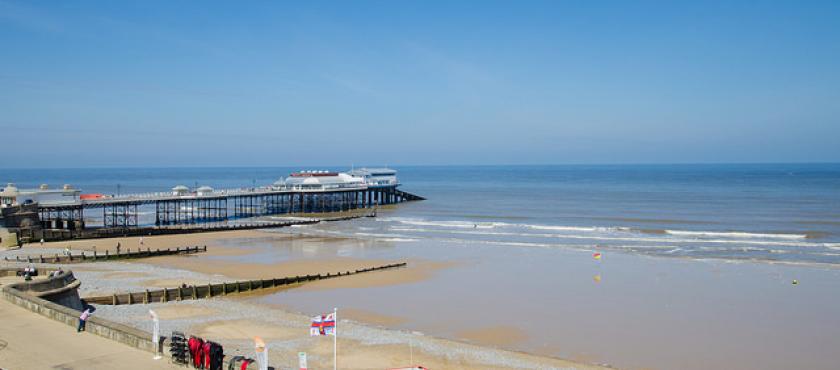
After Stan left the police behind, he drove Satan to Sheringham,There they rented a fidhrman’s cottage and enjoyed walking to Weybourne along the cliffs where they saw some butterflies .Satan seemed surprised by the cheery residents.He usually dwelt in cities and dens of iniquity.Stan’s pocket bulged with the golden powder compact standing up.He liked Sheringham but usually had Mary with him for company rather than Satan.
One afternoon on the beach a man of riper years stopped and spoke to him
I see you always carry face powder in a compact with you.Are you a transvestite by ny chance?
I am sorry to say,I am not.Is that bad news?Stan asked him
Well,not really.I never expected to meet one down here.But my wife has lost her powder compact and it’s hard to get gold ones now.I’ll give you at least £500 for that.It’s lovely.
Stan pondered.He had got fond of Satan but was unsure what to do with him next and he could not remain on holiday for ever as Emile his cat didn”t like it
He thought perhaps leaving Satan here in Sheringham might benefit humanity in the long run.
OK then.he cried and in a flash he had handed over the gold compact to the gentleman who seemed thrilled.He produced £500 pounds in notes and the deal was done.
Stan went back and informed Emile the holiday was over.We can go home now,Emile.I have got rid of Satan,at least for now.
Thank God,miaowed Emile.I miss Annie and her perfume..
That makes two of us,thought Stan as he drove towards King’s Lynn and the Ouse crossing…
But how will poor Satan feel? Will he be converted to life in a seaside home or will he soon be heading back to Knittingham?Time will tell. Sheringham may be too small for him and probably has very few dens of iniquity.And even Cromer is probably not wicked enough for this old devil….

We sense the sacred in these peaceful walls
Yet men have died in places that appal
Women too and children then unborn
Fell into cold dark earth in lands forlorn
As our weapons grow, our hearts are hard
The people live in Gaza behind bars
The water all polluted as taps drip
Is this war or is it vengeance fit?
In Britain, it’s the poor who lose the war
As it was when Jesus Mary bore
Yet here are clerics blessing marching bands
A military show for all the land
The genocide in Europe of the Jews
The self destructive actions of the proud
The fields of France filled sick with blood and bone
Who are we to cast judgmental stones?
The War’s not over when the fighting stops
The soldiers and the tortured suffer shock
The widows and the parents all bereaved.
The unborn children hover in unease
We let the prisoners out from camps of death
But who would take them in or take their path?
The injuries will travel down the years
As still we fight and still we live in fear
It’s Europe’s grasp and greed which was the cause
Of death in Gaza, Syria, in long wars
Yet we judge we are more civilised
When we self defend with bitter lies
Stan was very worried that the police had caught him.He didn’t realize that with the low sun the mirror in his pocket was flashing out coded messages to aircraft.He got out of the car and walked over to the police on the grassy verge of the road
I’m so sorry,it’s just my wife’s solif gold powder compact.See?
Have you got your marriage certificate with you?
Well,no.I didn’t know we in the UK needed to show them to the police. demurred Stan
It may belong to your wife but you are a man.Men don’t carry them.We never saw one before.
Certain men might of course..actors or politicians.I know Tony Blair wore make up.
That’s irrelevant.Give me that compact.
Stan pulled the golden compact out of his pocket,still open.
The police man stared into the mirror.His face turned pale.He handed the compact to Stan and ran back to his car asking the driver to take him to the nearest boiling Tea Shop.
Stan looked at Satan and grinned…
What did you do?
I just held up a photo I have of him in bed with a sheep….need I say more?
Did you enjoy seeing that?Stan asked naughtily
Not much.~I prefer your flame haired mistress with her perfume of Araby.
So you can smell then?
Oh,yes,said the devil.Sure I can.
So Stan started the car and off they went;all the lights were green and not a single police car was on duty.
Soon they reached Upper Sheringham.The people here are very long lived.
I know it’s the best place to live….
then they turned down the old High Street and parked by a gambolling shop.
Now what?
Will the sea cheer up a sad old devil?We must await the piece of the story with interest and patience.
Email me with ideas at
merrymaryminds@hot.com

Stan met Satan in his mirror many times.And it was obvious the poor devil was terribly depressed.He said he was no longer needed as humans were more wicked than he ever was.
Stan wondered how to help without doing anything wicked himself
He went into the bedroom and looked into the mirror.
At first he thought it was empty but the he saw Satan asleep in a ball.
Hi there,he called.Satan woke up.
Hi Satan.
Stan said
I’ve got an idea
How would you like a drive to Sheringham?
I dunno,I feel too depressed.
I think you need a change said Stan.
He picked up Mary’s solid gold powder compact and opened it.What a lovely scent,he murmured,closing his eyes and remembering all the times Mary had taken it out to put on more lipstick or powder her nose when they were out dancing.
Now,see here.I have mirror .If you can get behind this,I’ll put you in my pocket and Emile will sit by me in the car.
Without a pause Satan leaped into the gold compact and Stan could see him in the mirror.He popped it into his front pocket until he realised the devil could not see out.
He opened it and placed it in his pocket but with the mirror sticking out.
They drove off in Stan’s old Triumph Herald which was still functioning well.
Sat Nav,said Satan… is that how to find me…
No.it’s satellite navigation.It gives me a route to the seaside.Wherever I want to go
Bloody waste of money…what is wrong with a road Atlas?
It’s all progress.Stan told him.We must keep up or we will be thought lacking
By whom? answered the old devil
All of a sudden a police car came by and asked Stan to stop.
Why are you sending signals with that mirror?the police officer enquired..
To be continued
 Stan met Satan in his mirror many times.And it was obvious the poor devil was terribly depressed.He said he was no longer needed as humans were more wicked than he ever was.Stan wondered how to help without doing anything wicked himself
He went into the bedroom and looked into the mirror.At first he thought it was empty but the he saw Satan asleep in a ball.
Hi there,he called.Satan woke up.
Hi Stan.
Stan said
I’ve got an idea.How would you like a drive to Sheringham?
I dunno,I feel too depressed.
I think you need a change said Stan.He picked up Mary’s solid gold powder compact and opened it.What a lovely scent,he murmured,closing his eyes and remembering all the times Mary had taken it out to put on more lipstick or powder her nose when they were out dancing.
Now,see here.I have mirror here.If you can get behind this,I’ll put you in my pocket and Emile will sit by me in the car.
Without a pause Satan leaped into the gold compact and Stan could see him in the mirror.He popped it into his front pocket until he realised the devil could not see out.
He opened it and placed it in his pocket but with the mirror sticking out.
They drove off in Stan’s old Triumph Herald which was still functioning well.
Sat Nav,said Satan… is that how to find me…
No.it’s satellite navigation.It gives me a route to the seaside.Wherever I want to go
Bloody waste of money…what is wrong with a road Atla.?
It’s all progress.Stan told him.We must keep up or we will be thought lacking
By whom? answered the old devil
All of a sudden a police car came by and asked Stan to stop.
Why are you sending signals with that mirror?the police officer enquired..
To be continued

Stan was standing on the patio behind his bijou home when a sudden heavy downpour of water drenched him all over.
This is like a monsoon,he murmured to Emile who was also wet and drowned looking
A head and neck appeared over the dark wooden fence.
I’m awfully sorry,old boy.A pipe has burst in Annie’s loft.I tried to fix it myself.
I don’t believe it.You are Stan Brown.It must be 50 years since I saw you.
Stan was hiding his surprise at seeing Rudolf Hairnet,his former logic tutor at an ancient foundation, in the garden of Annie,Stan’s beloved colourful mistress.
Why not pop in Rudolf,he said.I’ll leave the door open and go upstairs to change my clothes.Be with you in a moment.
Stan went upstairs and removed his clothes.His body was now as thin as when he reached his full height of 6 ft 6 inches but alas it had less muscle and more fat. nowadays.He gazed into his wife’s full length mirror.
To his surprise, he saw Satan looking out.Although he knew this was possible for Catholics he had never met Satan before.Not that he was keen to,exciting as it might be.
How do you get behind the mirror,he asked Satan gently.
God only knows,said Satan morosely.
Why not ask him?
I’m too proud,the poor devil replied in a bleak voice.
Well,we all have our pride,Stan told him,though no doubt yours is the biggest in the universe.
Yes,indeed,Satan answered.It’s bigger than Everest
Are you here for any purpose,Stan enquired.
Yes,your home seems more intriguing than most and I like to watch you in bed with that flame haired woman… is she your paramour?
I see,said Stan,You are a voyeur par excellence
That’s one way of describing me,Satan said,No woman will come to bed with me so I am trapped here behind every mirror in the world.I can see it all but never take part.
You must be very lonely,said Stan
Yes,the dark spirit muttered painfully
Are there no she-devils about who might oblige you?Stan asked him thoughtfully.
I don’t seem to fancy them so much.They are all as bad a me,I want kindness and tenderness not just lust.After all,one might satisfy that with a vibrator… we have them in hell you know!We have many things but love and humility are not there.
Why,you are beginning to sound almost human,Stan told him.We want love too.If only you would apologise to God I am sure he would forgive you and let you come into the real world of others instead of being trapped in there
Stan heard a noise.He turned round displaying his bony frame and his drooping organs to Rudolf.
Are you ok? I was worried that the drenching had knocked you off balance.I have out your kettle on the fire to make you a hot drink and phoned 999 for aid.
But we don’t have a fire,Stan responded. loudly
Well,you do now said Rudolph
Oh,hell, cried Stan
Belshazzar saw the writing on the wall
The words predicted death and so it came
The mightiest king is not preserved from falls
Is there wisdom in the deep that calls
True scholarship is hard , to name unnamed
Belshazzar saw the writing on the wall
Even blatant evil, none appals
We have no reverie, we have no time
The mightiest king ‘s no safer with his gold
Counted,weighed,divided, aren’t we all?
The words in Aramaic were no rhyme
Belshazzar saw the grave there on his wall
Once old ladies smiled knit infants shawls
They had joy though death came wandering by
The King of Babylon deserved his fall
Being alive seems near to a great crime
God may die yet love burns its small flame
Belshazzar learned the writing on the wall
The humbler people are, the less the fall6th Dec 2019Posted inethics, poetry, reflections, Thinkings and poems, villanelleLeave a commenton We have no reverie, we have no timeEditWe have no reverie, we have no time
What shall I do with a dilated pupil?
a) Send them to the Headmaster
b} Give them a shrinking glance
c) Look away
d) Go to an Eye Clinic
e} is she having a baby? How can you see her cervix? Are you a doctor?
My glasses are reading any advice?
A} You have schizophrenia
B} You are a witch
C} You need an eye test
D) They are a surveillance device.Throw them in the bin
My lenses are plastic
a} You have had cataract surgery
b} You are deluded
c} They are ruining the environment.Hide them if you can get them out of your eyes
4} You want attention.? Ask for a glass eye next time
What the hell,a villanelle!
It looks too hard for such as me
Still I will write ,yes,I write well
I have a story I can tell
It’s from the English who love tea
What a hell,oh villanelle
I saw a man with a sea shell
I asked him for a pod of pea
I write well.yeah super Nell
I often wonder if I smell
As I drink so much greenish tea
What’s s to tell ,my villanelle?
But worry makes life into hell
And it’s bad for those who see
I write well,but who can tell?
I must take much charity
If you ask, what is your fee?
What the hell oh villanelle
I write well but life is hell.
Joy sings now in golden light,
Then after day comes deep,black night.
New moon is rising by grey trees,
The earth is where I want to be.
I want the day,I want the night.
I want the dark.I want the light.
I want to see and to be seen,~
And not to lose my precious dreamsThe sun has set, grey clouds turn black,
The day just gone will not come back.
I’ll rest in quiet reverie
Until the reaper’s scythe takes me.
And then I drop and mix with dust,
Till worms and beetles sate their lust.
And fall into ten thousand motes,
And dance, in sunlight, music’s notes.No more striving ,no more ambition
No more fighting,no competition.
Every particle’s the same
Without even a unique name.
And, side by side, we all are one,
The lusts of life have been and gone.
We dwell with dirt and grain and sand
At last we’ve reached the Promised Land

Mary found a strange garment in her wardrobe
She pulled it out and the label said culotte. I must have got this from a catalogue she told herself
It was made of a very thin fabric so she decided to try it on as the weather was extremely hot
While she was fastening the zip her friend Annie came into the room wearingha pink outfit wity matching shoes
Annie burst out laughing
You can’t wear those, she said dominatingly
Why not, said Mary plaintively?
Much too big for you and they will fall off when you’re walking down the street. It’s odd that you should say that because my lata husband Stan as he was generally known often said in the summer that he was worried that my skirt would fall off
What do you think Freud would have said about that? Maybe it’s a repressed desire.
Maybe he wanted other men to see his beautiful wife’s naked body
Do you think Prince Charles ever wished Princess Diana skirt would fall off when she was walking along through a minefield or receiving some illustrious guests from some foreign royal family?
Well no one could ask Prince Charles that now.
A cat could ask him, said Emile Mary s little pussycat.
Why it says in my books that a cat may look at a king but it doesn’t say the cat can ask the king a personal question.
Mary decided to make some fresh tea
I am getting rid of a lot of my clothes Mary told the pair because I am planning to move to Dover. Annie was very upset ….planning to move to Dover at what about me and Emile?
I don’t know if it will ever happen but it’s just something to amuse myself with looking at the price of flats and deciding what kind of furniture I would like to have.
Listen,you are too old to move to somewhere completely new where you don’t know anybody not to mention the fact that Dover is very hilly.
I don’t know sometimes people have to move regardless of their age or maybe I will buy a very small flat to be a second home for me near the sea
But if you got to Dover beach now you won’t hear the strange melancholy roar that Matthew Arnold heard: no you will hear the sound of wet and frightened asylum seekers trying to get out of the small boats.
You might even see riots such as a happening in Epping outside the Bell Hotel. It could be very dangerous.
Well I haven’t thought of that said Mary I was just thinking of three very beautiful holidays in Deal and Walmer.
But that was 35 years ago. You were a young woman then.
You are very pessimistic, aren’t you, Annie? I don’t know if many people in Dover go to the part of the beach with these poor asylum seekers landing and if they do .. after all Jesus Christ could have been an asylum seeker and where would he go today with all the war in the Middle East? Wouldn’t Dover beach be the sort of place he might come to in a boat with his parents why he might be travelling in a Moses basket as might only be a tiny baby. He won’t have a passport of course
He may already have arrived here and he could be staying in the Bell inb at this moment.
Well I don’t think we can go to Epping to find out but who knows whether the Three Kings are on the way already to worship him in a stable in the forest at Epping.
They may have left the middle East some time ago. I wonder if they brought any gold frankincense and myrrh with them?
Well we certainly need a good cup of tea to take our minds off these troubles . and lf you want to go to the sea you just go and stay an hotel for a few days and I will come with you to make sure that you are okay since your eyesight it’s not as good as it used to be : how would you like to go to Eastbourne?
Mary was silent as she was planning the furniture for her dining room in her new flat in her imagination
I think this time I shall have an oak dining table she mused. And so di all of us
I think I prefer beech myself
William Wordsworth wrote the poem above
Five Reasons Why We Need Poetry in Schools | Edutopia.


I believe it’s very good to learn poetry by heart;I was lucky to study modern poetry in school.Poetry can express feelings and knowledge that ordinary language cannot.
I found out after writing some poetry myself that it made reading poetry much easier.So I recommend writing poetry even if it’s terrible because you learn so much and it opens a door into a new world
I love the Ode by Wordsworth.I never tried to learn it.It learned me!
Though the sky glows gold
There’s something cold about it
A hint of silver.
Before midsummer
A hint of autumnal dark
Lest we should forget.
Now a wind blows up
The sky is deep pink-blue mauve
And the leaves are dark
A threat or warning.
Don’t miss those important days
When life slips away
Now the sun has gone
A moment before night falls
I send all my love.
But out in Warsaw
The last train for Moscow leaves
Ghetto life begins
Time is a circle
Elena will not die yet
In the promised land
Inside my shell, I dream of pearls,
Caterpillars, snails with whorls.
I dream contented, all enwrapped
With reverie and dream, I’m lapped.
The inner seas will comfort me,
While gods allow my eyes to see
Oh, sweeter than confectionery
Is my worn old dictionary.
The words whirl round and fall to shape
The sentences, which my world drape.
This furnishing is rich and strange
Yet magically self-arranged.
Oh, sweeter than the love of man
Is reading works of poets long gone;
And feeling deeply their dark tides,
Upon which our boats may glide.
The sea infinite we float on
Is the same warm sea that ancients swam.
Sweeter still is this spring air
And the blossom spreading fair.
We’ll drown ourselves in deep green fields
To the gods of poetry yield.
We’ll rise again and spring up tall
To grow more rich until we fall.
Sweet it is to live and die
And to write my poetry
Touch me with your ardent souls
My mind and yours shall all be whole
My husband is naughty a very naughty man
He throws down the newspaper on top of his beer can
He buys himself a sandwich in a nasty cardboard box
And puts trash in the laundry basket with his woollen socks.
He takes off his pyjamas and chucks them on the floor
He uses hankies frequently, so I have to buy lots more.
He wants to have thick sauces on top of all his food.
And when he has a hypo his speech is very rude.
I gave him such a shock when I learned to curse and swear
But we really need to, as “eff off “is everywhere.
Why even in the Bible there are some wicked words
I’ve not read it all yet, except Psalm’s I have heard
I mean to finish reading it and then when I must die,
I’ll come onto a cloud and shout, Oh pi is in the sky.
For transcendental numbers give a hint divine.
Although you can get it better with a glass of dry, white wine.
My husband drinks draught Guinness and then he falls asleep
He hollers and curses when the oven timer beeps.
He eats a piece of kipper and cried out,Oh, dear God!
Nobody caught this b*gger with a U.K. fishing rod
He wants to move to Whitby and walk upon the sands
Sit in the audience and hear the big brass bands.
He wants to see the sun rise and to see it set…
So please send God some gelatine in case the air’s too wet!
That means all the children including the better off ones.

 https://en.wikiquote.org/wiki/Ludwig_Wittgenstein
What do I know about God and the purpose of life?
I know that this world exists.
That I am placed in it like my eye in its visual field.
That something about it is problematic, which we call its meaning.
This meaning does not lie in it but outside of it.
That life is the world.
That my will penetrates the world.
That my will is good or evil.
Therefore that good and evil are somehow connected with the meaning of the world.
The meaning of life, i.e. the meaning of the world, we can call God.
And connect with this the comparison of God to a father.
To pray is to think about the meaning of life.
https://en.wikiquote.org/wiki/Ludwig_Wittgenstein
What do I know about God and the purpose of life?
I know that this world exists.
That I am placed in it like my eye in its visual field.
That something about it is problematic, which we call its meaning.
This meaning does not lie in it but outside of it.
That life is the world.
That my will penetrates the world.
That my will is good or evil.
Therefore that good and evil are somehow connected with the meaning of the world.
The meaning of life, i.e. the meaning of the world, we can call God.
And connect with this the comparison of God to a father.
To pray is to think about the meaning of life.

photo Katheribe

Mary had been reading a new book called,” The Path” by Michael Puett and Christine Gross-Loh.To her surprise, she saw it reviewed on her phone where she read the guardian news
.She had decided to get out of bed on the other side
When she awoke the next day, she remembered her vow.Unfortunately, she forgot she was inside a fleece sleeping bag with a zip on one side only.Should she get some scissors and cut her way out on the other side?Or was that a foolish idea since nobody but she would know she had failed her to keep her first new promise.
She heard a noise and them her friend Annie came in wearing a long satin nightgown and a green velvet trench coat.
How do you like this, she asked Mary?
Mary was very red yet silent
What is wrong, with you Mary?
I need to pee but I can’t get out of bed on the wrong side.
You have no choice, said Annie.You must not wet the bed or die from a burst bladder. Get out on the right side
But I feel a failure on my first day.
Maybe that is your lesson.Accept you can’t do it and get on with your day.
Mary ran to the bathroom.What a relief passing water can be to poor ladies who suffer afflictions in these regions.
Annie went down to the bijou yet complex kitchen and began to make some toast and boil some eggs.She gazed at the peach walls and melon cupboard doors unable to decide if she liked them.Maybe kingfisher blue might have been better.Too late now.Mary could not afford a new kitchen even if this one was really old.At least it was not orange as was common in the 70’s.
Mary came in with her golden hair standing up on end like candlesticks from the Synagogue.
I just got a shock, she said
I can see your hair is standing on end.Was it the electric socket?
No, there was a man looking into the window and I was naked in the bath.
Perhaps it was King David, Annie joked.Why don’t you have frosted glass?
Stan said it would frost itself in the winter.He was the least practical man in the world.
Maybe we could glue artificial frost onto it?
Who was the man, asked Annie her cheeks pinker than her perky pink lipstick by Licumb ; those lips which were so thick and sensual with a lovely curve.
Mary tore her eyes away from these lips.I didn’t have my glasses on, she said.Maybe it was a man from a hot air balloon?
Maybe someone fancies you at last,saidAnnie.
Do you think I’d go out with a man who does things like that?
No, you could stay in with him, Annie joked, as tears of mirth made her green eyeshadow and red mascara stream down her cheeks like rain after a nuclear explosion.No wonder men ran after her in the street.
You could succumb to his charms,Annie whispered.
I think I’d like a man more sensitive than that, Mary screeched.
Well, Mary, you are so lacking in knowledge the art of flirting you only notice men when they do something really wild or unusual
Like what, asked Emile who had just munched up a bowl of dried cat food and was full of energy.
Well, Stan kept pretending he loved reading Newton’s original writings which he bought from some unusual website thinking it would impress Mary. However as he failed O leve; maths 5 times he could not understand it.He sobbed and cried in the public library and Mary was moved by his grief.Later on, though, he became angry at her intellectual talent and took me as his mistress to get back at her.She never even noticed!
I don’t see how having a mistress is a revenge on poor woman who was given her genes by God, said Emile.
Don’t be daft, she buys her jeans from TK Maxx, Annie answered.
And so do all of us.
I can’t write any more right now!

Poem of the week: Missing You by Miles Burrows https://www.theguardian.com/books/2025/nov/24/poem-of-the-week-missing-you-by-miles-burrows?CMP=share_btn_url


https://www.bbc.co.uk/sounds/play/m002mlk9
This is a programme about the poet
Rainer Maria Rilke
BBC Radio 4 – In Our Time, Godel’s Incompleteness Theorems https://share.google/pvg4XIM6OaWj2lFU8






 How my heart speaks