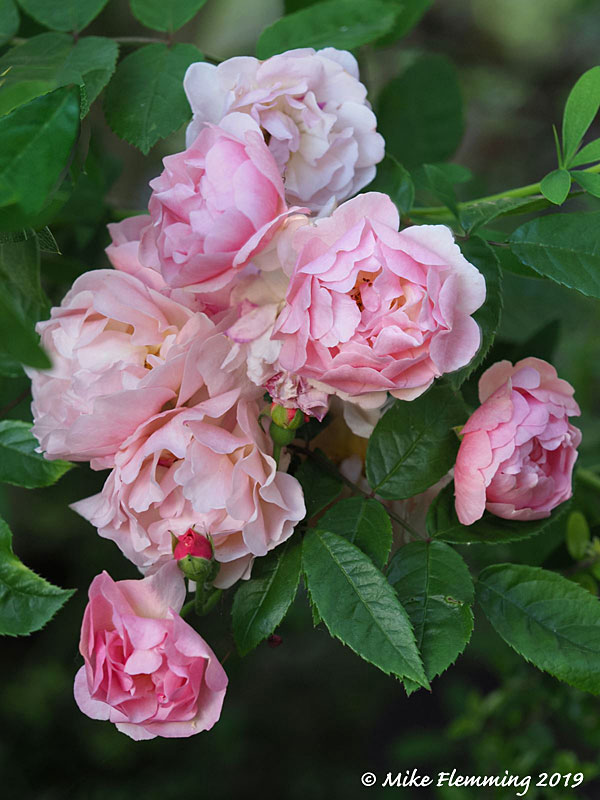
Why not grow your own?

rosa-cornelia


Never make a phone cry.
Can they love?
Avoid mobile groans
Sponge yourself down after sinning
Always use a pen  when you scream
Have you got Munch’s screen?
The word nice is overused.Be sparing.Be nasty.Be  yourself
The rod broke the fish’s heart
Being eccentric is now a psychiatric disorder.Ring 999 and ask for Dave.
The nuns used  our rulers to hit our hands when we forgot how to do compound interest
My husband’s eyesight is nothing to write home about.So he doesn’t. I ll kill him
Always eat something green at  dinner.If all else fails, is there a pelargonium in the room? In the window box.
Why not grow your own cress from  seed [ buy it]
Why not turn  into a pillar of salt?
Why not rewrite the Bible in Esperanto? Why?

We do not act,then love itself turns pale

Abba, I have come to you  for aid
The threads of life untwist around my heart
I  must catch them else I’ll fall apart
I  a creature  grown from what you made,

Abba, do you answer when we call?
We ignore you  till it is too late
I see why you abandon us to fate
The loss of Eden  follows from the Fall

Abba, we are here why do we fail?
Intentions  made, we do not have the will
The speed of living, and the grinding mills
,We do not act then love itself turns pale

Abba, is a prayer a word or deed?
We see the children  fenced,  the Wall , the blood

All we need to know about sonnets


Wakehurst place mike flemming

Mike Flemming copyrigh

https://poets.org/text/sonnet-poetic-form


Extract:

Sonnet Variations

Though Shakespeare’s sonnets were perhaps the finest examples of the English sonnet, John Milton’s Italian-patterned sonnets (later known as “Miltonic” sonnets) added several important refinements to the form. Milton freed the sonnet from its typical incarnation in a sequence of sonnets, writing the occasional sonnet that often expressed interior, self-directed concerns. He also took liberties with the turn, allowing the octave to run into the sestet as needed. Both of these qualities can be seen in “When I Consider How My Light is Spent.”

The Spenserian sonnet, invented by sixteenth century English poet Edmund Spenser, cribs its structure from the Shakespearean—three quatrains and a couplet—but employs a series of “couplet links” between quatrains, as revealed in the rhyme scheme: abab, bcbc, cdcd, ee. The Spenserian sonnet, through the interweaving of the quatrains, implicitly reorganized the Shakespearean sonnet into couplets, reminiscent of the Petrarchan. One reason was to reduce the often excessive final couplet of the Shakespearean sonnet, putting less pressure on it to resolve the foregoing argument, observation, or question.