
 The chiropodist said she liked my feet.If only we could unscrew them, she could replace mine.
I found the flu jab less painful than seeing the government squabble
It´s best to think of what we can still do,not what we can´t
Does reading about Brexit make one go blind?
The pharmacist said I was the only person willing to obey the instruction to sit down for 10 minutes after the jab.Such a rushed life
Day: Nov 22, 2018

The whispering voice
I want to take a walk this afternoon
The frozen river is a pretty sight
I shall see the high November moon
Storms and gales are coming very soon
Shall we hear the whisper,see the Light?
I want to take a walk this afternoon
Elijah in his cavern, feared the Queen
Jezabel had eyes like tiger’s bright
She had her private vison of High Noon
Where is God and what does my life mean?
The Hebrews did survive with wit and strife
I want to have a think this afternoon
Why did Moses feel the mountain loom?
Why did Jacob wrestle all the night?
Could he see the future and of whom?
How from all the choices to pick right
How to be discerning in our sight
We might take a pause this afternoon
We may see the Light or hear its tunes
Share this:

Poetry and music
https://www.spectator.co.uk/2007/02/poetry-and-music/
Beginning:
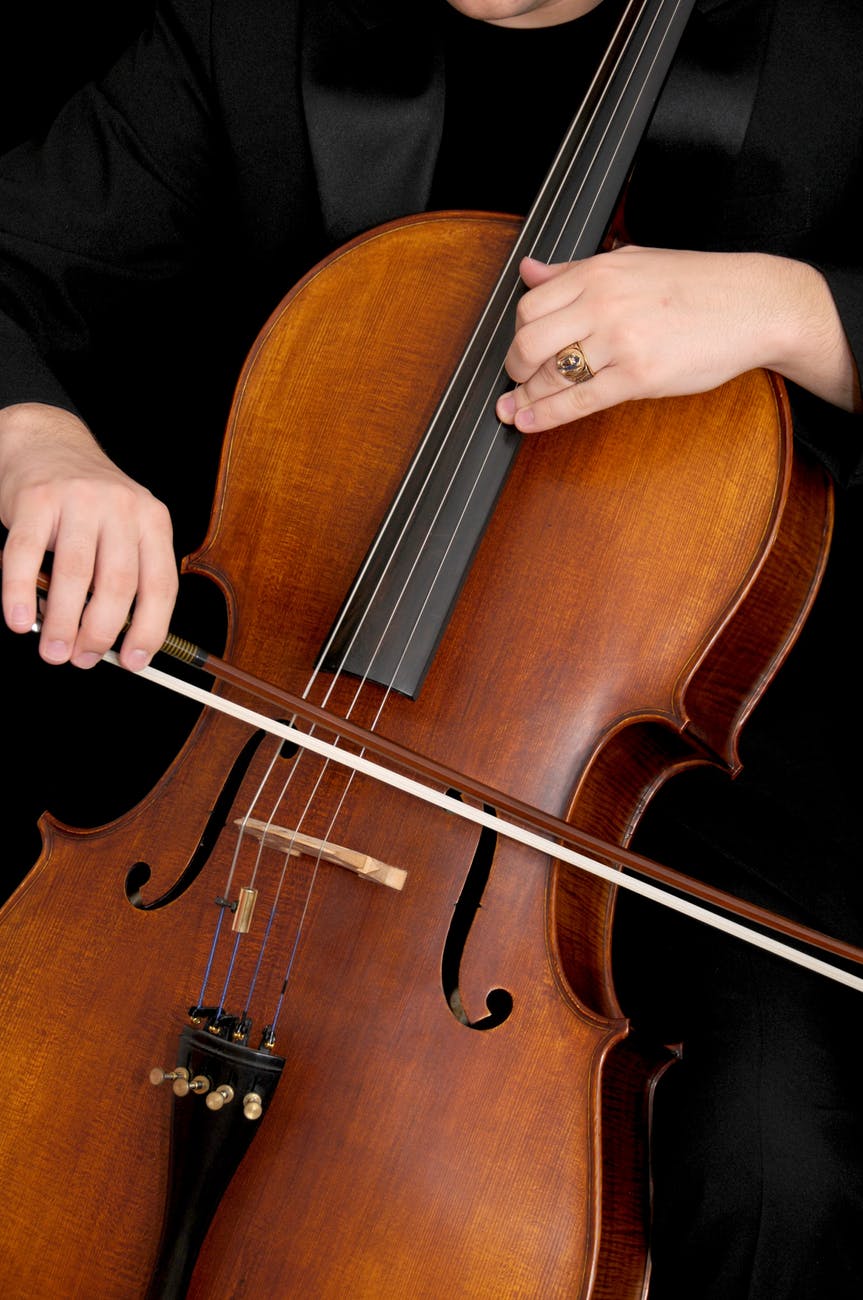
The great lyric poets of the English language wrote — and, I hope, are still writing — words which have their own melodic quality, cadences which lure composers to add music to them. Shakespeare, Herrick, Blake, Tennyson, Burns, Yeats have been set to music by numerous composers, creating a lasting heritage of English song. A smaller but intriguing category is poetry that is not turned into song but is spoken to music. Grand master of this compositional genre is Jim Parker.
‘I was an orchestral oboe player,’ he says, ‘but I was always wanting to get away from that and do something a bit more creative so I joined the Barrow Poets, as an oboist and possibly to do some arranging. It developed from there when I started composing music specially for them. There were other groups of poets and musicians around, like the Scaffold, Roger McGough’s band, but they were writing songs. We set poems to music but we didn’t really do songs because none of us could claim to have been a singer.’
In 1974, as a result of this, he was asked to write music for some poems by John Betjeman, to be read by the poet himself. And the fruit of that collaboration was the wonderful Banana Blush. ‘I didn’t think Betjeman could sing,’ remembers Parker, ‘so what I did was to write music that accompanies the words.

 How my heart speaks