Why not eat in?

1.

Soup of the fray
Jellied heels
Vice on toast
Roman numerals in ice
Mixed  leftover vegetables with  free green mould

2.
Grass green chicken with chips and baked cream
Beef in butter with red eyed bean  in potatoes
Curried toad  with pasta and  wholemeal bread
Macaroni , fleas and sauce with home made dread.

3.
Diabetic ice cream and insulin
Gooseberry tarts with insulted maidens
Custard creams with  vengeance of fruit over-ripe  but not rusty
Very rude blue cheese and no biscuits either
And  finally

make your own pudding from anything in the fridge,except sausages [raw]

Affect

“Those sentimental radio hits, with their artificial naivete and empty crudities, are the pitiful remains and the maximum that people will tolerate by way of mental effort; it’s a ghastly desolation and impoverishmment. By contrast, we can be very glad when something affects us deeply, and regard the accompanying pains as an enrichment.”
― Dietrich Bonhoeffer, Letters and Papers from Prison

A moment

How white and blue together recollect us
to the summer sky and the imagined swallows
darting in exquisite geometry
under the great domed space of the heavens,
like the Basilica in Constantinople
containing and giving space.
And how you held me for a moment that was infinite
and then you were gone like an angel fearing enchantment
into some finite boundaried world

What to write about

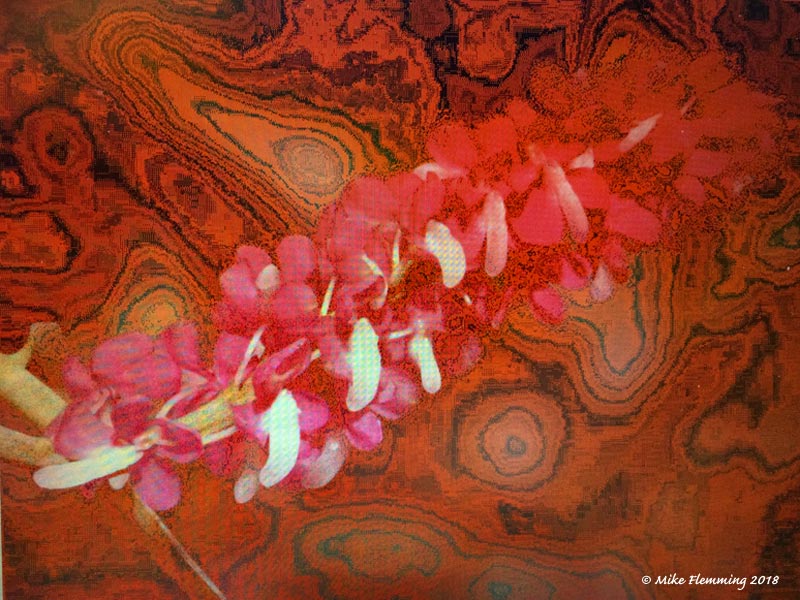
SurrealOrchidhttps://thinkwritten.com/poetry-prompts/

My ideas

How language can never fully describe the world

The

Here are a few from the link

1.The Untouchable: Something that will always be out of reach

2. 7 Days, 7 Lines: Write a poem where each line/sentence is about each day of last week

3. Grandma’s Kitchen: Focus on a single memory, or describe what you might imagine the typical grandmother’s kitchen to be like

4. Taste the Rainbow: What does your favorite color taste like?

5. Misfits: How it feels when you don’t belong in a group of others.

6. Stranger Conversations: Start the first line of your poem with a word or phrase from a recent passing conversation between you and someone you don’t know.

Robert Louis Stevenson

https://www.bartleby.com/360/1/185.html


Poems of Home: V. The Home
The House Beautiful
Robert Louis Stevenson (1850–1894)
NAKED house, a naked moor,
A shivering pool before the door,
A garden bare of flowers and fruit,
And poplars at the garden foot;
Such is the place that I live in,         5
Bleak without and bare within.
Yet shall your ragged moors receive
The incomparable pomp of eve,
And the cold glories of the dawn
Behind your shivering trees be drawn;         10
And when the wind from place to place
Doth the unmoored cloud galleons chase,
Your garden blooms and gleams again
With leaping sun and glancing rain;
Here shall the wizard moon ascend         15
The heavens, in the crimson end
Of day’s declining splendor; here,
The army of the stars appear.
The neighbor hollows, dry or wet,
Spring shall with tender flowers beset;         20
And oft the morning muser see
Larks rising from the broomy lea,
And every fairy wheel and thread
Of cobweb dew dediamonded.
When daisies go, shall winter time         25
Silver the simple grass with rime;
Autumnal frosts enchant the pool
And make the cart ruts beautiful.
And when snow bright the moor expands,
How shall your children clap their hands!         30
To make this earth our heritage,
A cheerful and a changeful page,
God’s intricate and bright device
Of days and seasons doth suffice.

Grace

Deferential, I
Eternity await
Submit to your  grace
In my patient state.


None but God can judge;
None have his pure gaze.
Write me not your wish.
Tempt me not with praise.


Timeless as the  heavens
Eternity is now
Mindful of this lesson
Grace will show me how

Poetry and music

https://www.theguardian.com/books/2016/jun/07/cerys-matthews-poetry-and-music-closely-think


“The Welsh word “cerdd” can be translated as either “verse” or “music”. It covers both meanings, because, as we know from history, when the great bards were performing their poetry it would be accompanied by music. The two were always intertwined and music, poetry, spoken word and performance have been a part of our society for centuries. The festivals called “eisteddfod” combine literature, music and poetry. These cultural competitions were not just for the rich or educated, but were held in pubs and other meeting places and brought everyone together. They are part of an oral tradition entrenched in Welsh society as it is in many other cultures, as diverse as the Somali tradition of oral storytelling or praise poetry in India and Pakistan.”